

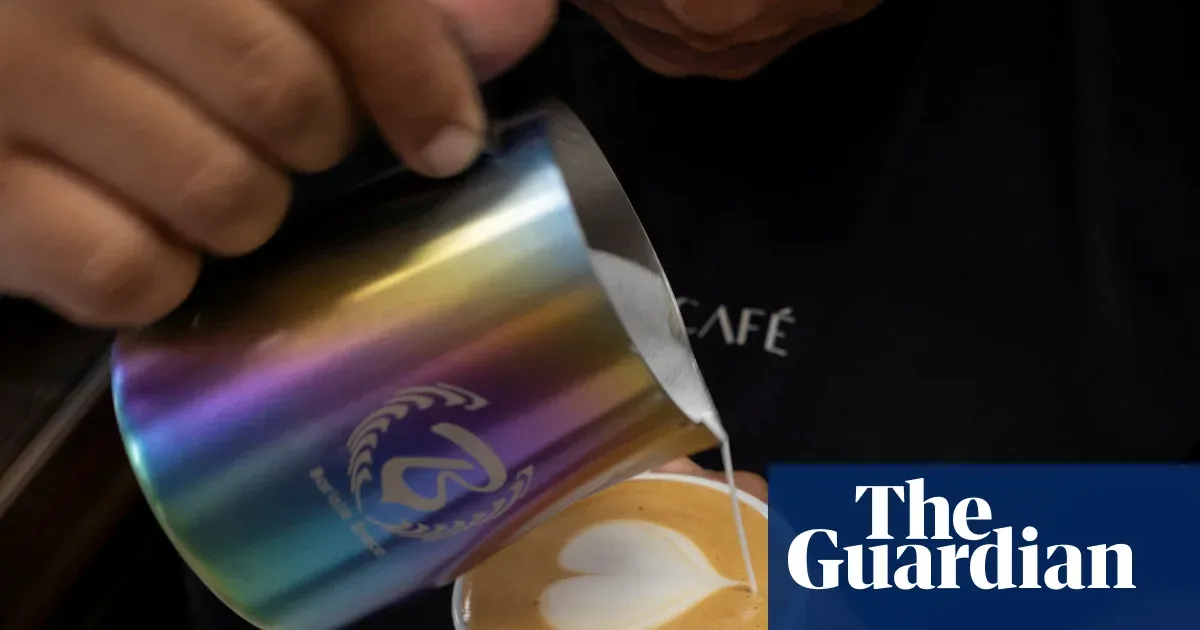
People who drink a couple of cups of coffee or tea each day have a 15-20% lower risk of dementia than those who skip them entirely, according to research tracking over 130,000 people across four decades.
The findings come from two major US health studies that followed participants from the 1980s onward, collecting detailed records of their diet, cognitive tests, and dementia diagnoses. Those who drank two to three cups of caffeinated coffee or one to two cups of caffeinated tea daily showed measurably better brain function and slower cognitive decline than non-drinkers. The research, published in the Journal of the American Medical Association, represents the longest and most rigorous evidence to date linking these drinks to brain health.
But here's the honest part: the study shows correlation, not proof of cause. People who drink coffee might have other habits that protect their brains — better sleep patterns, more exercise, different diets. It's also possible that people at risk of poor sleep deliberately avoid caffeine, which would make non-drinkers look worse off for unrelated reasons. "Our study alone can't prove causality," said lead researcher Yu Zhang from Harvard University's nutritional epidemiology program, "but it is consistent with plausible biology."
We're a new kind of news feed.
Regular news is designed to drain you. We're a non-profit built to restore you. Every story we publish is scored for impact, progress, and hope.
Start Your News DetoxWhy Coffee and Tea Might Matter
Both drinks contain caffeine and polyphenols — compounds that could shield the brain by improving blood vessel health, reducing inflammation, and lowering oxidative stress (the cellular damage caused by harmful molecules called free radicals). There's also a metabolic angle: caffeine is linked to lower rates of type 2 diabetes, which itself increases dementia risk.
The protective effect seemed to plateau around those two-to-three cups of coffee mark — more wasn't better. Decaffeinated coffee showed no link to dementia protection, suggesting caffeine itself plays a key role. Interestingly, men and women showed similar benefits, and the pattern held across both study groups.
Yet caffeine isn't simple. It can sharpen focus and motivation, helping people stay mentally active. In others, it raises blood pressure — a significant dementia risk factor. "Caffeine does a multitude of things, some beneficial, some harmful," noted Naveed Sattar, a cardiometabolic medicine professor at the University of Glasgow. "The net effect can never be estimated until you do a randomised trial."
Proving this would require something impractical: randomly assigning people to drink caffeinated or decaf coffee for decades, then checking dementia rates. Instead, researchers could look for biological markers — changes in brain scans or blood tests that suggest the drinks are actually protecting neural tissue.
Zhang's own take on the findings is measured: "Don't think of coffee or tea as a magic shield." Regular exercise, balanced eating, good sleep, and managing other risk factors like smoking, obesity, and high blood pressure remain the foundation of brain health. About half of dementia cases worldwide could be prevented or delayed by addressing these factors. A couple of cups of tea or coffee might be a small piece of that puzzle — but it's not the whole picture.





