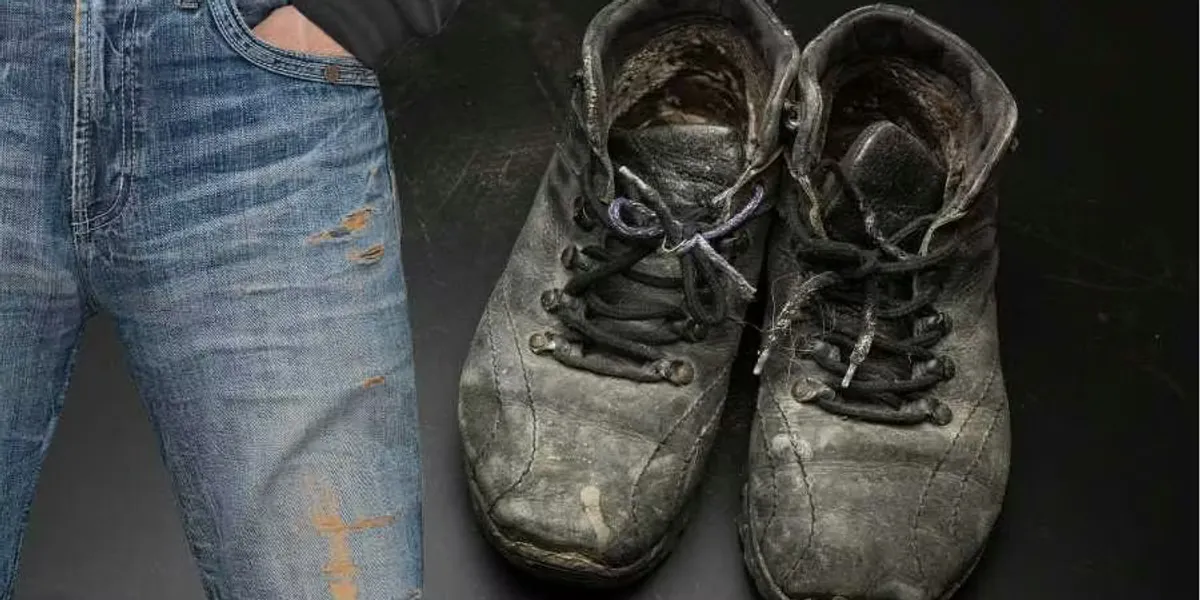
On December 23, 1975, Ronnie Lockwood knocked on a door in Cardiff, Wales, asking for shelter. He was 30, autistic, and had been homeless since age 15, when a care center turned him out. Rob and Dianne Parsons recognized him from around town. They invited him in for Christmas.
Ronnie opened his presents that day and wept. As Dianne remembered it: "He'd never known that sort of feeling of love." When the Parsons gently suggested he might need to move on after the holidays, Ronnie asked quietly, "Have I done a bad thing?" They decided he could stay.
He lived with them for the next 45 years.
What started as a Christmas meal became a life. Ronnie became part of the community—volunteering at the food bank, showing up at the local center, becoming the kind of person people knew and counted on. When he died in 2020, he left £40,000 to that community center. Not because anyone asked. Because he'd learned what it meant to belong, and he wanted others to have that too.
We're a new kind of news feed.
Regular news is designed to drain you. We're a non-profit built to restore you. Every story we publish is scored for impact, progress, and hope.
Start Your News DetoxRob Parsons described it simply: "People ask how it happened—45 years—but the honest truth is, in some ways, it happened a day at a time." There was no grand plan, no moment when they decided to change the world. Just a series of small choices to keep saying yes.
Dianne said it another way: "Ronnie brought a richness into our lives."
That matters, because the story isn't really about charity or obligation. It's about what happens when someone is seen for who they actually are—not their diagnosis, not their circumstances, but their capacity to love and contribute. Ronnie didn't need fixing. He needed what everyone needs: a place at the table, people who believed he belonged, and the chance to give back.
The Parsons didn't solve homelessness or transform disability services. But they showed something quieter and perhaps more radical: that a person's worth isn't measured by their productivity or independence, but by their presence in a community that's willing to make room.