A simple nasal swab might help detect Alzheimer's disease years before symptoms appear. This new approach could allow for earlier treatment, potentially preventing the disease from fully developing.
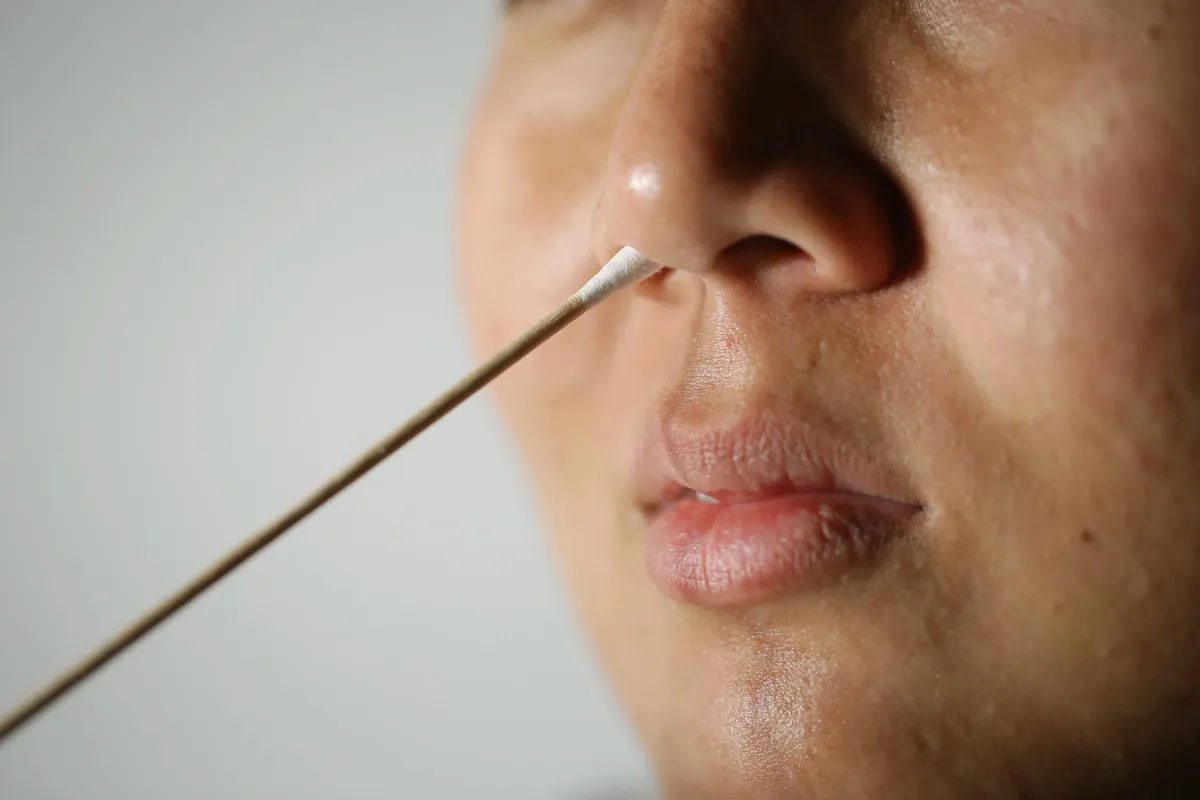
A study from Duke Health found that a soft swab, inserted high into the nasal cavity, can collect nerve and immune cells. Analyzing these cells showed distinct patterns that could tell the difference between people with early or diagnosed Alzheimer's and those without it.
"We want to be able to confirm Alzheimer’s very early, before damage has a chance to build up in the brain," said Dr. Bradley J. Goldstein, a professor at Duke University School of Medicine and the study's lead author. He added that early diagnosis could lead to therapies that stop the disease from progressing.
We're a new kind of news feed.
Regular news is designed to drain you. We're a non-profit built to restore you. Every story we publish is scored for impact, progress, and hope.
Start Your News DetoxHow the Nasal Swab Works
Collecting nasal samples takes only a few minutes. After a numbing spray, a small brush goes into the upper nasal cavity, where nerve cells related to smell are found. Researchers then check which genes are active in these cells. This gives clues about what's happening in the brain.
The study looked at samples from 22 people. It tracked thousands of genes across hundreds of thousands of cells. This test found early changes in both nerve and immune cells, even in people who had signs of Alzheimer's in lab tests but no symptoms yet.
The gene score from nasal tissue correctly identified early and clinical Alzheimer’s cases about 81% of the time.
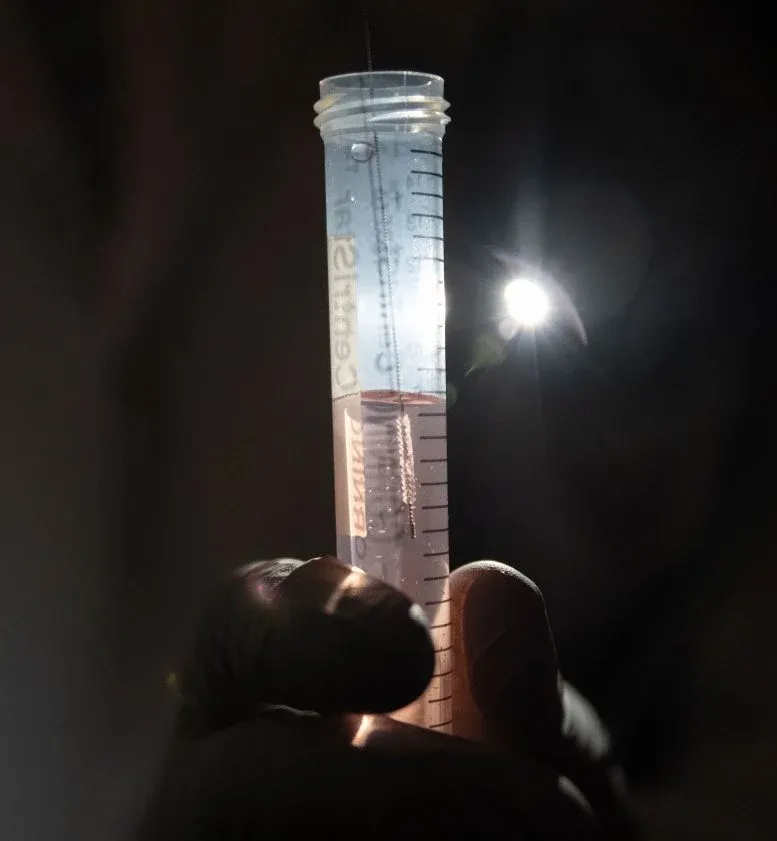
Mary Umstead, a study volunteer, joined in honor of her sister, Mariah, who was diagnosed with young-onset Alzheimer’s at 57. Mary hopes this research can prevent others from experiencing similar loss.
Advantages Over Current Tests
Current blood tests for Alzheimer's usually find markers that show up later in the disease. This new nasal swab method, however, looks at active nerve and immune cells. This offers a more immediate view of disease changes and could identify people at risk much earlier.
"Much of what we know about Alzheimer’s comes from autopsy tissue," said Vincent M. D’Anniballe, the study’s first author. "Now we can study living neural tissue, opening new possibilities for diagnosis and treatment."
The Duke research team plans to expand the study to more people. They are also looking into whether the nasal swab can track how well treatments work over time. Duke has applied for a U.S. patent for this method.
Deep Dive & References
Olfactory cleft biopsy analysis of Alzheimer’s disease pathobiology across disease stages - Nature Communications, 2026