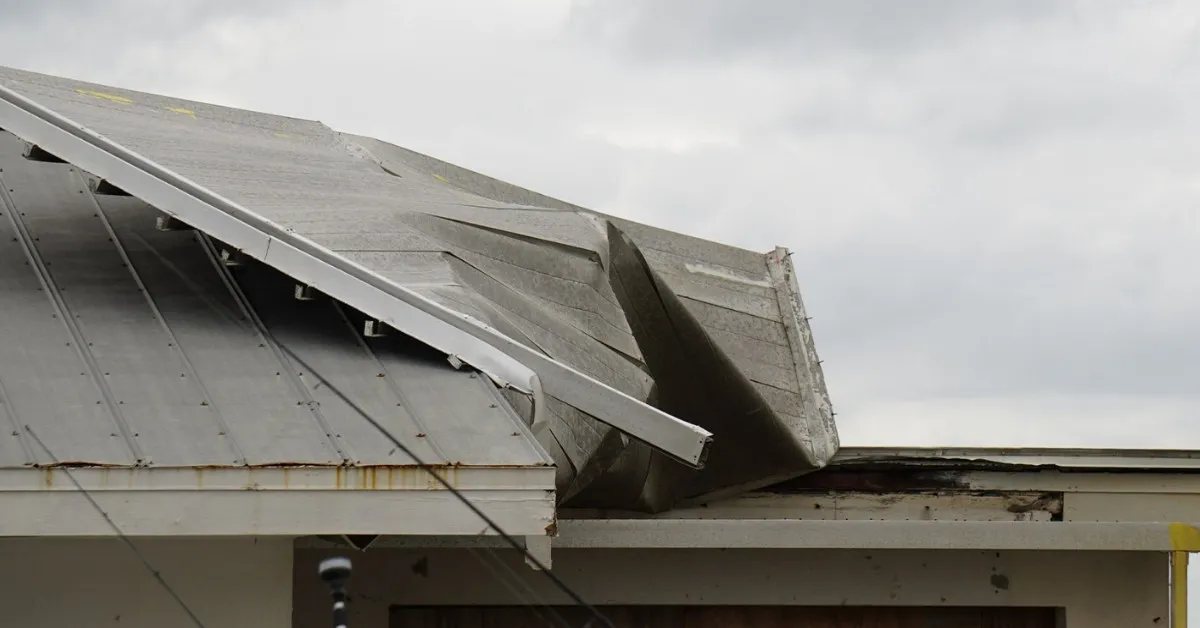
Back in 2005, after Hurricanes Ivan and Katrina decided Alabama needed a good shake-up, then-insurance commissioner Jim Ridling had a thought: these things are going to keep happening. And while he couldn't stop the storms, he figured he could at least stop roofs from flying off quite so easily.
His master plan was surprisingly straightforward: seal the roof deck, use stronger nails. Because sometimes, the most effective solutions are also the least glamorous. This idea blossomed into the Strengthen Alabama Homes program.
Since 2016, this program has quietly, diligently, put fortified roofs on over 53,000 homes. The best part? Insurance companies foot the bill, not the homeowners. Which, if you think about it, is a pretty neat trick for getting people to embrace home improvements.
We're a new kind of news feed.
Regular news is designed to drain you. We're a non-profit built to restore you. Every story we publish is scored for impact, progress, and hope.
Start Your News DetoxWhen Theory Met Reality
Fast forward to 2020: Hurricane Sally rolled in, giving all those reinforced roofs a very real-world stress test. Researchers from the University of Alabama's Center for Risk and Insurance Research decided to see how they held up, sifting through thousands of insurance claims.
The results are in, and they're quite satisfying: fortified roofs slashed the number of claims by a whopping 56%. And even when a fortified home did sustain damage, the financial losses were significantly smaller. It turns out a few extra nails and some sealant can make quite the difference.
Mark Fowler, the current insurance commissioner, summed it up perfectly: "Less damage means fewer displaced residents. Less damage means students can go back to school. Less damage means local businesses stay open." Because sometimes, saving a roof saves a whole lot more than just a roof.