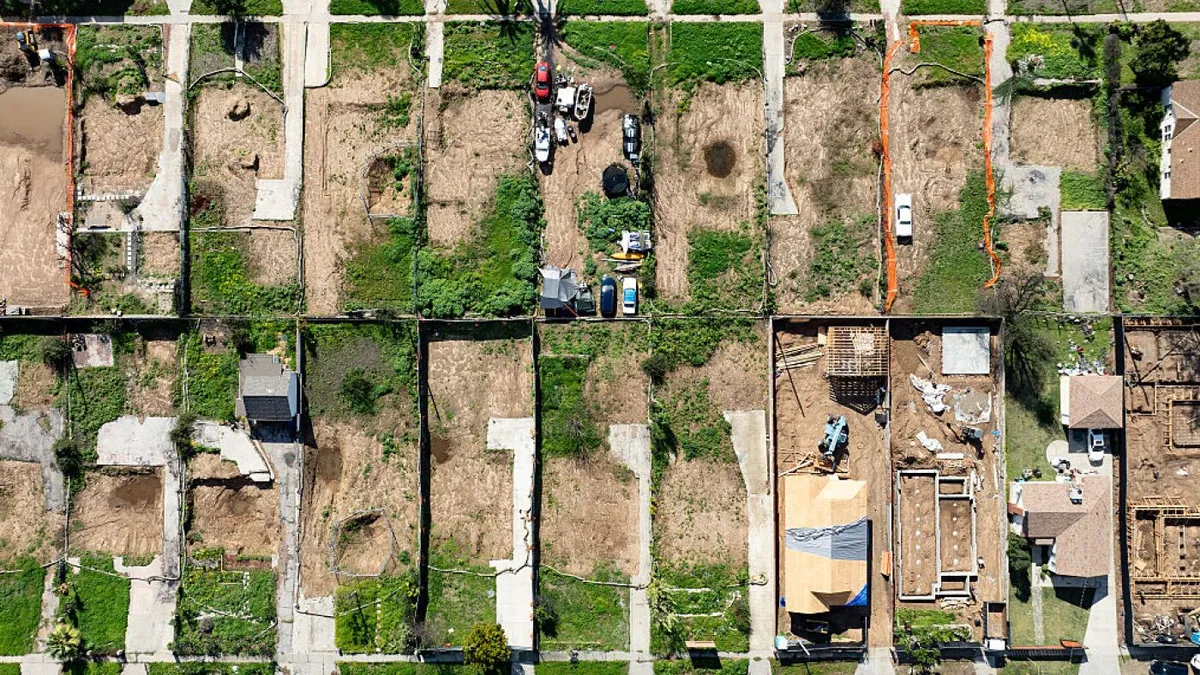
Nine months after the Eaton fire destroyed his home, Mark Johnson was still waiting for State Farm to pay. By October, he was ready to accept less money just to move forward. Then, days before Thanksgiving, the check arrived. "It was a huge relief," he says.
Johnson's wait wasn't unusual. State Farm, California's largest home insurer, faced a backlog of claims after the January wildfires that destroyed over 16,000 structures across Los Angeles. The fires rank as the costliest blazes ever recorded globally—$40 billion in insured losses, according to Swiss Re Institute. That scale created pressure: insurers began deploying strategies to limit their financial exposure, says Amy Bach, executive director of United Policyholders, a consumer advocacy group.
The delay had real consequences. While Johnson scrambled for alternative funding, other survivors went into debt, bouncing between rental homes as they negotiated with insurers. In November, LA County launched an investigation into State Farm after residents reported the company delayed, underpaid, and denied valid claims. Joy Chen, executive director of the Eaton Fire Survivors Network, noticed a troubling pattern: "Around February or March, I realized that whether a family was recovering or not depended largely on which insurance company they were with."
We're a new kind of news feed.
Regular news is designed to drain you. We're a non-profit built to restore you. Every story we publish is scored for impact, progress, and hope.
Start Your News DetoxThe harder cases: smoke damage and contamination
The fight intensified for homeowners whose houses survived the fires but faced lead and toxin contamination from smoke. Unlike total-loss claims, these cases offered no clear path forward. Krista Copelan's Altadena home fell into this gray zone—damaged but not destroyed, leaving her without straightforward insurance options.
The displacement has been prolonged. In Altadena, 65% of residents remain in temporary housing, according to a recent report from Department of Angels, a nonprofit established to support fire victims. In Pacific Palisades, nearly three-quarters of residents are still displaced. Many families have moved a dozen times and accumulated tens of thousands in debt.
State Farm's troubles extend beyond California. In Oklahoma, the state's attorney general recently accused the insurer of running a scheme to deny and minimize payments for roof damage from hail and wind.
Reflecting on his own ordeal, Johnson wrestles with whether State Farm was simply overwhelmed. But the delays felt deliberate. "They're just trying to push you away," he says. "They're trying to make it difficult for you so that you won't ask for much."
Yet despite the friction with insurers, the rebuilding is happening. Construction crews are now visible across Altadena and other fire-ravaged communities around Los Angeles, a visible sign that families are moving from waiting to rebuilding—even as many continue negotiating for the full resources they need.