The art world is breathing easier heading into 2026. After years of caution following the 2022 crash, more than half of dealers, collectors, and auction house experts now expect the market to actually grow this year. It's not euphoria—it's something quieter and more durable: selective confidence in specific work, specific regions, specific price points.
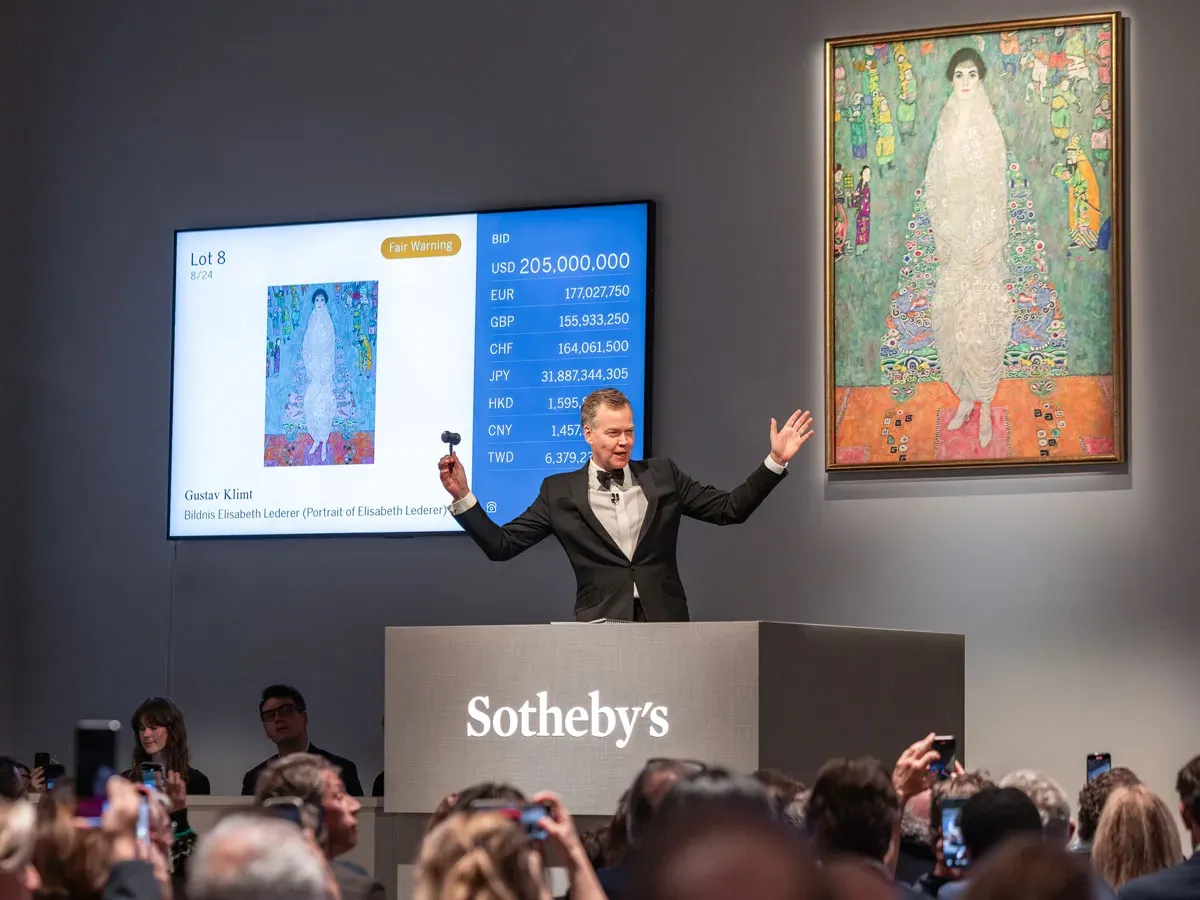
Auction sales are already showing the shift. Combined fine art sales across major houses rose 11% year-on-year in 2025, driven largely by trophy pieces and single-owner collections that finally convinced sellers it was worth stepping back into the market. The momentum feels real, but it's also revealing something important about how the art market actually works: recovery doesn't happen evenly.
A Market Split in Three
The strongest appetite sits at the extremes. Works above $1 million are seeing genuine renewed interest as high-quality pieces return to auction. At the other end, pieces under $50,000 benefit from steady activity and broader buyer participation. It's the middle—the $50,000 to $1 million range—that's stuck. Fewer collectors are willing to stretch for work in that zone, creating a kind of dead zone between the ultra-premium market and the accessible one.
We're a new kind of news feed.
Regular news is designed to drain you. We're a non-profit built to restore you. Every story we publish is scored for impact, progress, and hope.
Start Your News DetoxThis split matters because it shapes what's actually being bought. Modern and Post-War art are anchoring the rebound, with demand clustering around historically validated names and museum-quality work. Younger contemporary art is still fragile, still dealing with the hangover from speculative excess and sharp auction pullbacks. Painting dominates confidence rankings by a wide margin. Works on paper and prints follow. NFTs and AI-generated art sit at the bottom of the appetite list—experts have little appetite for another leap of faith in experimental mediums.
Geographically, the Middle East is the clear outlier. Sustained institutional investment and an expanding calendar of fairs and auctions (headlined by Art Basel Qatar) have made it the most bullish region heading into 2026. The US and parts of Asia show improving sentiment. Europe and the UK are expected to muddle through with selective gains.
The overall picture is one of stabilization rather than roaring recovery. Buyers want quality, history, and credibility—the things that hold value over time. Sellers with the right material finally have an opening. Everyone else is still waiting for their moment.