A BBC investigation uncovered at least 56 preventable baby deaths and two maternal deaths over five years at Leeds Teaching Hospitals NHS Trust. Now the families left behind are pushing back hard against how the promised inquiry will be run.
Health Secretary Wes Streeting announced an independent investigation into the failures, but he broke a commitment to consult families and a key investigator first—then said he wouldn't appoint the person those families trust most. That decision has fractured what little confidence remained.
The families want Donna Ockenden to lead the Leeds inquiry. Ockenden is already heading a maternity review in Nottingham and has built genuine trust with bereaved parents through her work. In a letter to the Prime Minister, MPs backed the families' call, arguing that appointing someone without Ockenden's track record and methodology would be "unacceptable."
We're a new kind of news feed.
Regular news is designed to drain you. We're a non-profit built to restore you. Every story we publish is scored for impact, progress, and hope.
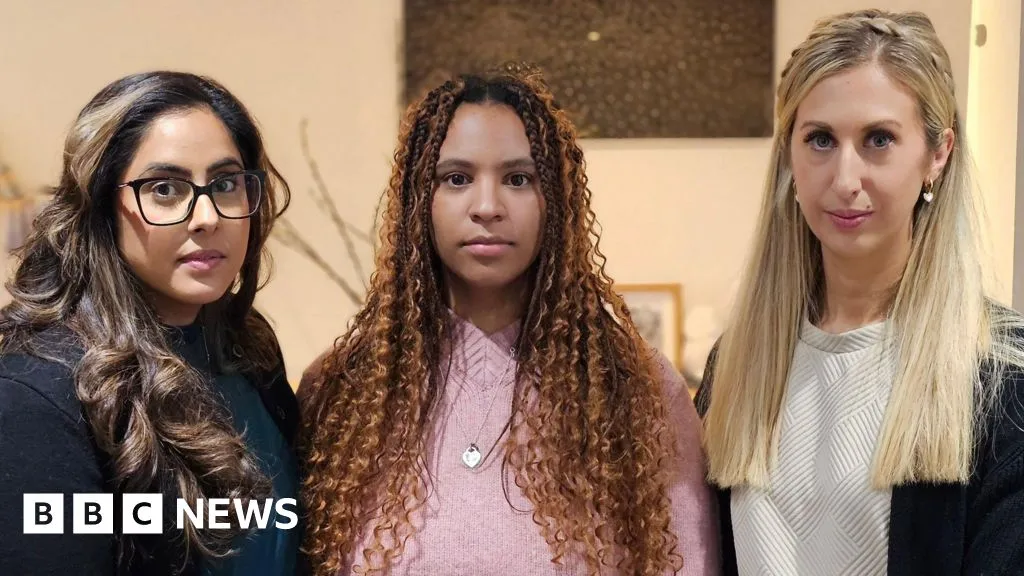
Start Your News DetoxFiona Winser-Ramm, Lauren Caulfield, Amarjit Kaur, and Mandip Singh Matharoo—parents who lost children at Leeds—described the public announcement as "nothing less than a complete betrayal of their trust." They've already lived through the trauma of preventable deaths under a system rated "good" by regulators even as staff whistleblowers reported unsafe conditions. The maternity units were only downgraded to "inadequate" in June 2025, after the BBC's reporting.
What the families are asking for now isn't complicated: an open, honest inquiry that learns from failures immediately and is led by someone with both the expertise and the credibility they've already given her. Ockenden has that. A chair chosen without their input, following a broken promise, does not.
A Department of Health and Social Care spokesperson said the government is "determined to ensure [families] get answers" and is taking "urgent action to improve maternity services across the country." The next move is whether that urgency extends to listening to the people most affected by these failures.