When Sonia Lewis's mother was hospitalized with bacterial meningitis during her senior year, the caregiving duties fell on her shoulders. School became secondary. Money became impossible. Her grandmother considered a second mortgage. Lewis refused.
Principal Karen P. Hill at Bodine International Affairs High School in Philadelphia saw a top student—class president, honor roll regular, daughter of two teachers—about to lose everything to circumstance. At the end-of-year awards ceremony, Hill did something unusual: she channeled every academic prize and scholarship the school could offer directly to Lewis. The total came to $16,200.
It was enough for one year at Bloomsburg University. Enough to start.
What Happened Next
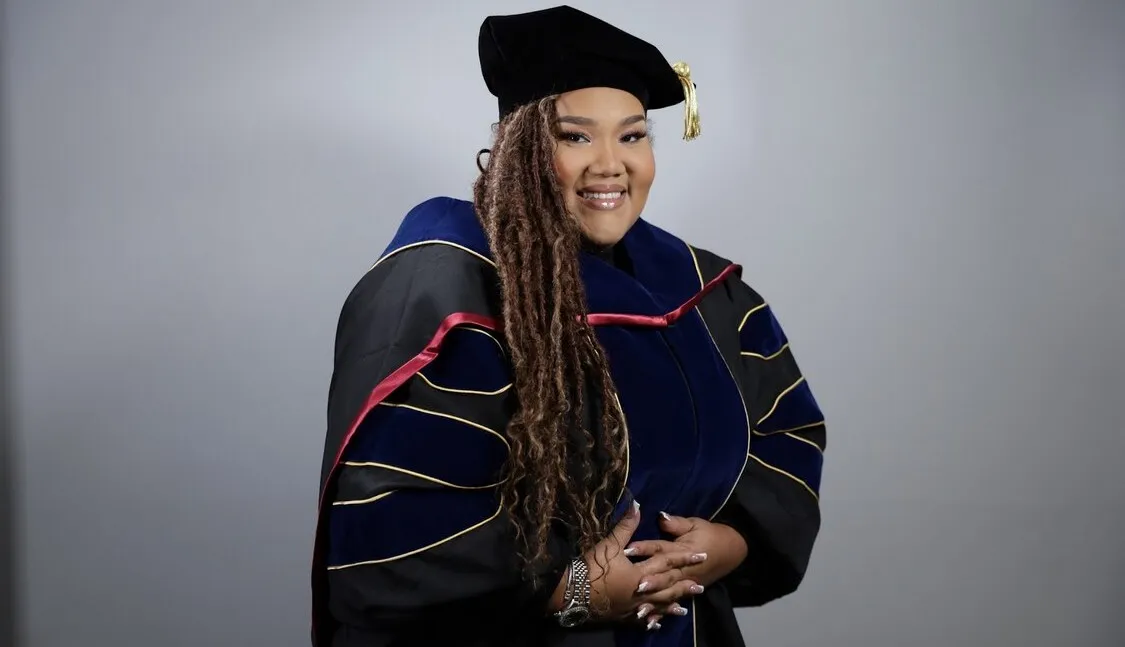
Lewis finished her degree, then kept going. She earned a doctorate. She built a business—the Student Loan Doctor—helping other people navigate the exact terrain that nearly swallowed her: student debt, financial panic, the feeling that education is only for families with money in the bank.
We're a new kind of news feed.
Regular news is designed to drain you. We're a non-profit built to restore you. Every story we publish is scored for impact, progress, and hope.
Start Your News DetoxTwenty years later, in 2025, Lewis walked back into Bodine with a check for $16,200.
She handed it to the school to cover senior year expenses for the entire graduating class.
There's a particular weight to this kind of return. Larger donations happen every year in American schools—corporate gifts, foundation grants, alumni endowments. But few carry the specificity of this one. Lewis didn't give back to a cause or a system. She gave back to the exact amount, to the exact institution, that believed in her when belief was the only currency that mattered.
What makes the gesture resonate isn't the size of the check. It's the precision of the memory. She remembered. She calculated. She came back.
For the students at Bodine facing their own versions of impossible right now—the single parent working nights, the sibling in the hospital, the missed deadline, the empty college fund—they're about to learn something their predecessors learned twenty years ago: sometimes your school sees you. Sometimes it steps in. And sometimes, years later, you get to step in for someone else.