

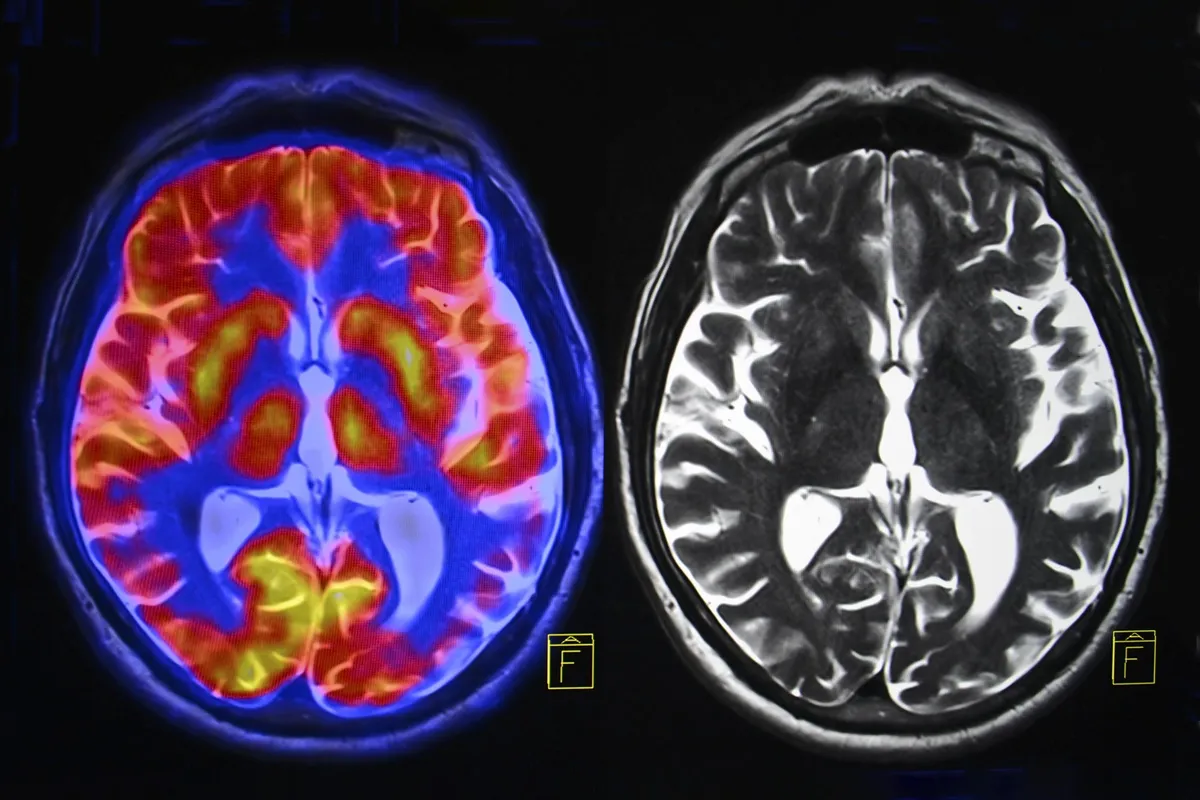
A landmark study of nearly 125,000 women has found that menopause is associated with measurable loss of grey matter in brain regions responsible for memory, emotion regulation, and decision-making. The findings, published in Psychological Medicine, offer the first large-scale evidence of structural brain changes during this life stage — and raise questions about long-term cognitive health.
Researchers from the University of Cambridge analyzed brain scans from about 11,000 women alongside detailed health questionnaires and cognitive tests. They compared three groups: women before menopause, post-menopausal women who had never used hormone replacement therapy (HRT), and post-menopausal women taking HRT.
The results were consistent across all post-menopausal women, regardless of whether they used HRT. The most significant shrinkage occurred in three regions: the hippocampus (which forms and stores memories), the entorhinal cortex (which acts as a gateway for information flow in the brain), and the anterior cingulate cortex (which helps regulate emotions and focus). These are the same regions vulnerable to Alzheimer's disease, which affects nearly twice as many women as men.
We're a new kind of news feed.
Regular news is designed to drain you. We're a non-profit built to restore you. Every story we publish is scored for impact, progress, and hope.
Start Your News DetoxWhat This Means for Mental Health Right Now
The brain changes coincided with measurable shifts in mental health. Women after menopause were significantly more likely to seek help for anxiety and depression, score higher on depression questionnaires, and be prescribed antidepressants. Sleep problems were also common — post-menopausal women reported more insomnia, shorter sleep duration, and persistent fatigue.
Interestingly, women taking HRT reported feeling more tired overall, even though their actual sleep time was similar to those not taking it. Researchers suggest this may reflect that HRT was often prescribed to women who already had higher anxiety or depression before menopause began — meaning the medication didn't cause the tiredness, but rather women with existing struggles were more likely to seek treatment.
One unexpected finding: HRT didn't prevent the grey matter loss. However, it did appear to slow age-related decline in reaction speed. Post-menopausal women not using HRT showed noticeably slower reaction times compared to those using HRT or those not yet in menopause. "Menopause seems to accelerate this process, but HRT appears to put the brakes on, slowing the ageing process slightly," explained Dr Katharina Zühlsdorff, one of the study's lead researchers.
Dr Christelle Langley, also from Cambridge, emphasized that menopause is fundamentally a life-changing event that deserves more attention. "A healthy lifestyle — exercising, keeping active and eating a healthy diet — is particularly important during this period to help mitigate some of its effects. We all need to be more sensitive to not only the physical, but also the mental health of women during menopause, and recognise when they are struggling."
The study, which drew on data from the UK Biobank, involved women with an average menopause age of 49.5 years. While the findings point to real structural changes in the brain, researchers emphasize that menopause is one piece of a much larger picture around aging and brain health. The next questions are whether these changes are reversible, whether they accelerate cognitive decline later in life, and what interventions — beyond HRT — might help protect brain health during this transition.





