Kaedi Cecala was 33 when doctors told her she had myelodysplastic syndrome—a bone marrow disease that can turn deadly if it progresses into acute myeloid leukemia. She started aggressive chemotherapy and began the search for a compatible stem cell donor, the kind of needle-in-a-haystack match that can take months or never happen at all.
A 26-year-old Polish man named Karol Zwierzyński matched. He donated his stem cells. Kaedi survived. For two years afterward, they remained strangers to each other—that's how the donation system works, at least initially. Anonymous gift. Anonymous gratitude.
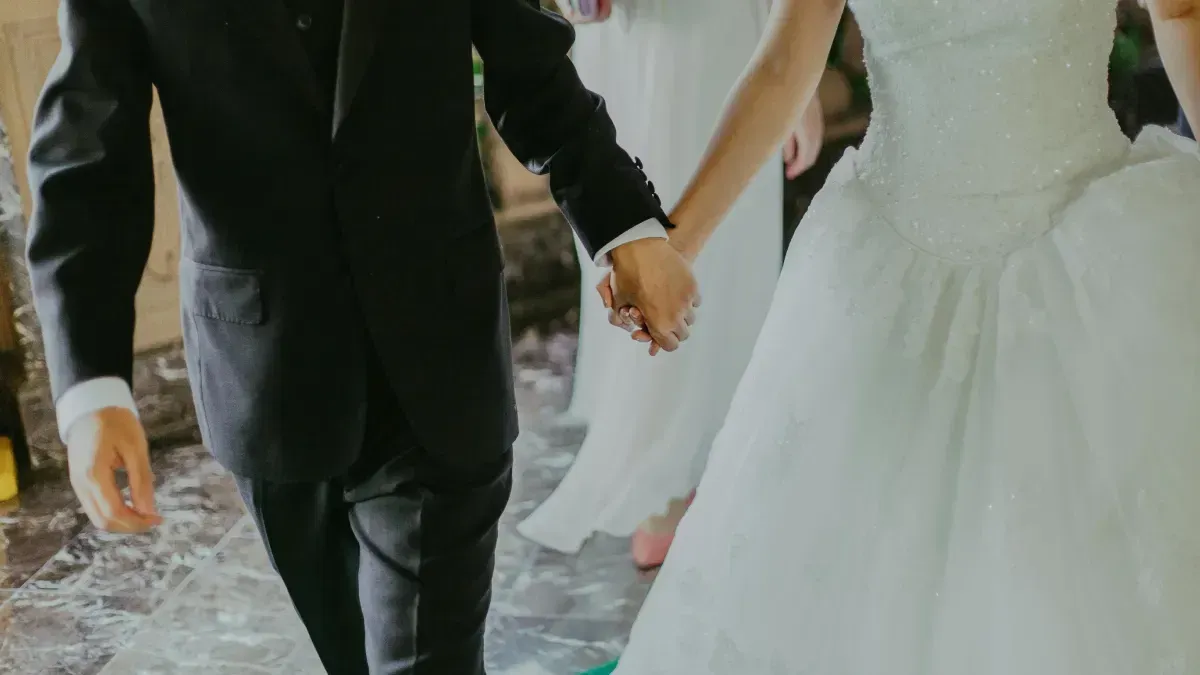
When Kaedi got engaged to Mikey Cecala, she made a decision. She wanted to find Karol. She wanted him at her wedding.
We're a new kind of news feed.
Regular news is designed to drain you. We're a non-profit built to restore you. Every story we publish is scored for impact, progress, and hope.
Start Your News DetoxHe came. Flew in from Poland. And during the reception, Mikey brought him to the microphone as their guest of honor.
Karol's toast landed differently than most wedding speeches. He told the room: "I'm not a hero here." Then he looked at Kaedi and said something that shifted the whole moment: "Somewhere out there, your Kaedi might be waiting for you."
It's easy to hear that as sentiment. But it's also a direct statement about how stem cell donation works—how one person's decision to register, to show up, to donate can mean the difference between someone's wedding day happening or not happening. Between someone's life continuing or stopping.
Karol didn't save Kaedi because he knew her. He saved her because he was willing to be the person a stranger might need. And now, two years later, she got to say thank you in front of everyone she loves.
The U.S. bone marrow registry has about 10 million registered donors, but the need still outpaces supply—especially for people from underrepresented ethnic backgrounds. Every registered donor increases the odds that someone like Kaedi finds their match. Karol's presence at that wedding wasn't just a beautiful moment. It was a quiet argument for why more people should consider joining the registry.