Chanel's Culture Fund has named ten artists as winners of its 2026 Next Prize, each receiving €100,000 in unrestricted funding. The biennial award, now in its third cycle since launching in 2021, recognizes practitioners whose work is reshaping their fields across visual art, performance, design, music, and film.
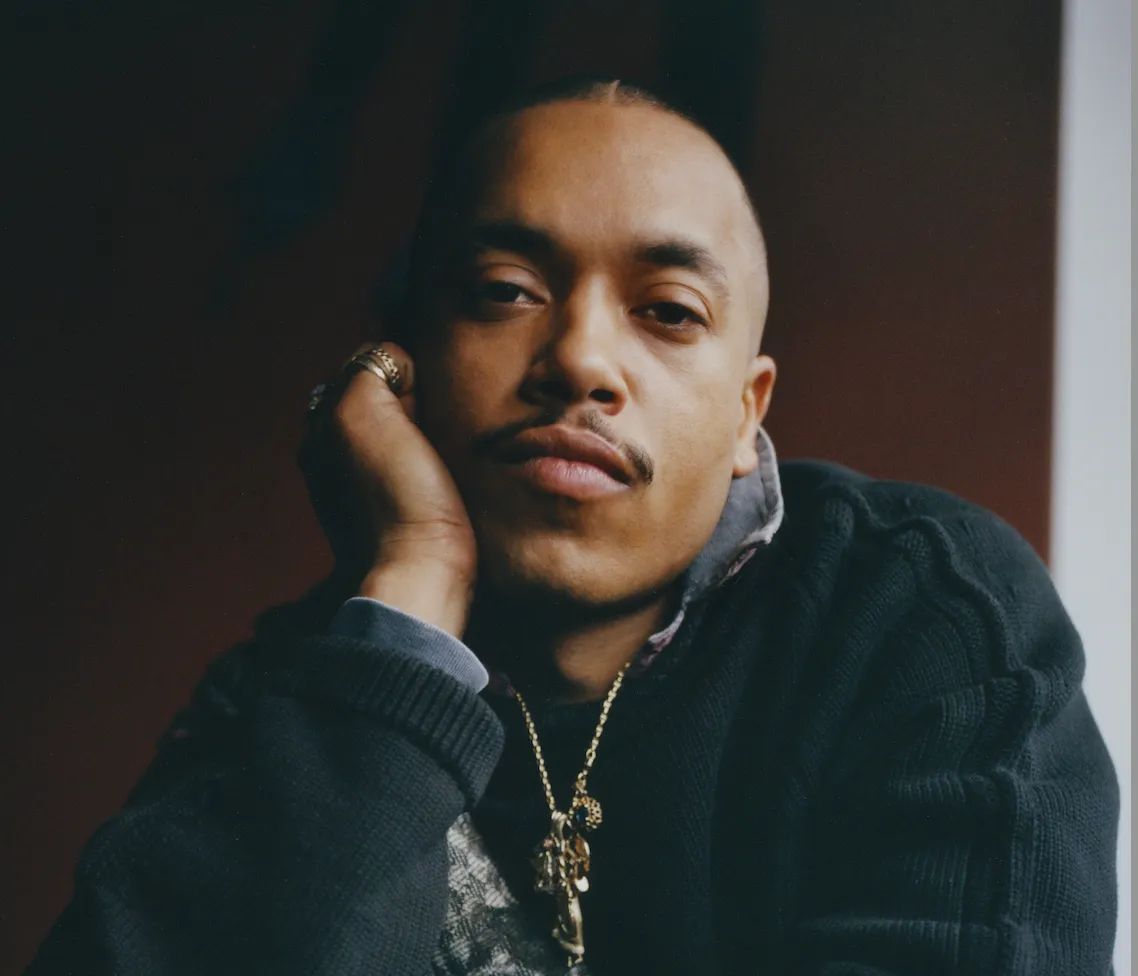
The cohort spans ten countries: visual artist Álvaro Urbano, jazz musician Ambrose Akinmusire, fashion designer Andrea Peña, artist and filmmaker Ayoung Kim, designer Bárbara Sánchez-Kane, sound artist Emeka Ogboh, choreographer Marco da Silva Ferreira, experimental musician Pan Daijing, filmmaker Payal Kapadia, and painter Pol Taburet.
What sets this prize apart from typical arts funding is its structure. Rather than commissioning specific projects, the award gives artists unrestricted money and a two-year mentorship program developed with partners including London's Royal College of Art. This approach assumes artists know what they need to create ambitious work — a shift from the traditional grant model where institutions often dictate outcomes.
We're a new kind of news feed.
Regular news is designed to drain you. We're a non-profit built to restore you. Every story we publish is scored for impact, progress, and hope.
Start Your News DetoxYana Peel, Chanel's president of arts, culture, and heritage, framed the prize as creating "conditions for artists to thrive on their own terms." That language matters. Long-term, flexible support lets artists take risks that project-based funding rarely allows. A musician might spend six months experimenting with a new sound. A filmmaker might pursue a story that doesn't fit commercial timelines. These are the kinds of bets that shape culture, but they're expensive and uncertain.
Chanel positions this within its own history — the house has supported avant-garde artists since Gabrielle Chanel's era, backing figures like Salvador Dalí and Jean Cocteau. The Next Prize extends that legacy into a more systematic, global framework. Previous editions have supported artists like Ho Tzu Nyen and Tolia Astakhishvili, who went on to significant international recognition.
The prize reflects a broader shift in how wealthy institutions fund culture. Rather than one-off donations or commissioned works, some are now betting on sustained support for individual practitioners. It's a model that assumes culture thrives when artists have breathing room — and the resources to take the long view on their own work.