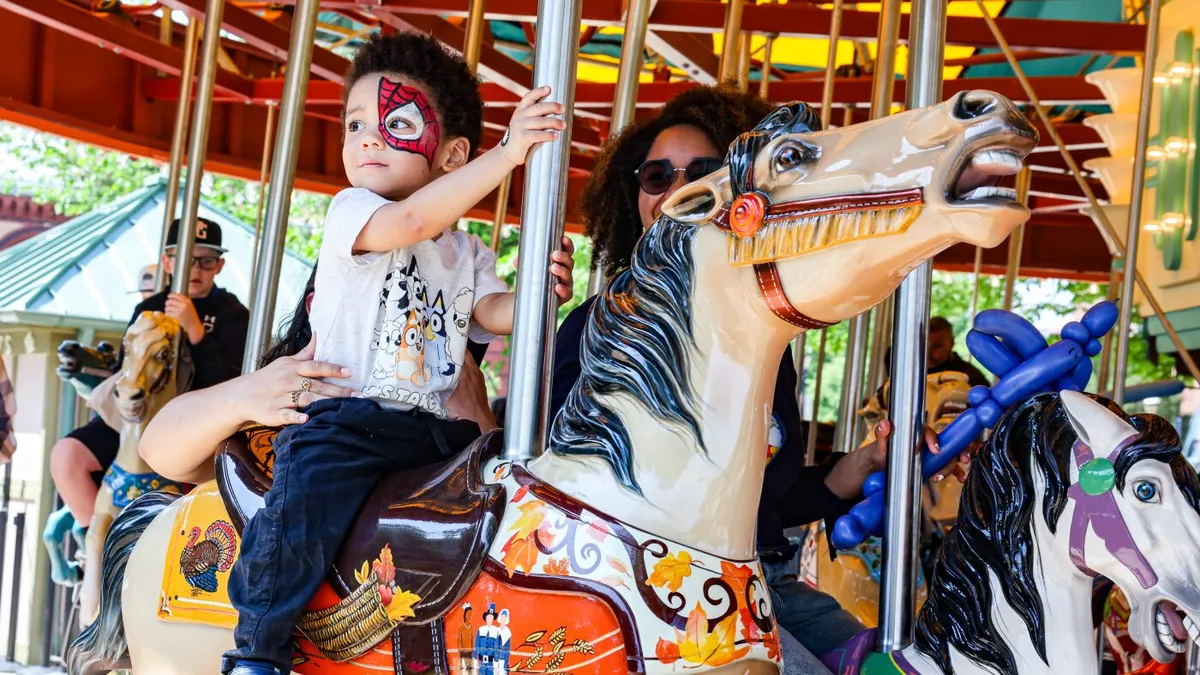
The Smithsonian Institution's carousel is now open again after being closed for almost three years. It underwent restoration and refurbishment.
Carousels have brought joy to children for centuries. However, this joy was not always available to everyone. The reopening ceremony for the Smithsonian National Carousel acknowledged this past.
A Ride Through History
The first people to ride the reopened carousel were African American adults from Baltimore. In the 1960s, they were among the first to desegregate the carousel. At that time, it was located at Gwynn Oak Amusement Park near Baltimore.
We're a new kind of news feed.
Regular news is designed to drain you. We're a non-profit built to restore you. Every story we publish is scored for impact, progress, and hope.
Start Your News DetoxJanice Chance was 13 when she first rode the carousel in 1966. She said her family went there often once they were allowed in. Chance noted that having the carousel back on the National Mall is very meaningful. It reminds her and others of the fight for freedom.
"We are together, we're having fun, but we remember the struggle and how we got here," Chance said.
Desegregating Gwynn Oak Amusement Park took several years of protests. Black and white activists worked together. The park finally integrated on August 28, 1963. This was the same day Dr. Martin Luther King, Jr. gave his "I Have A Dream" speech on the National Mall.
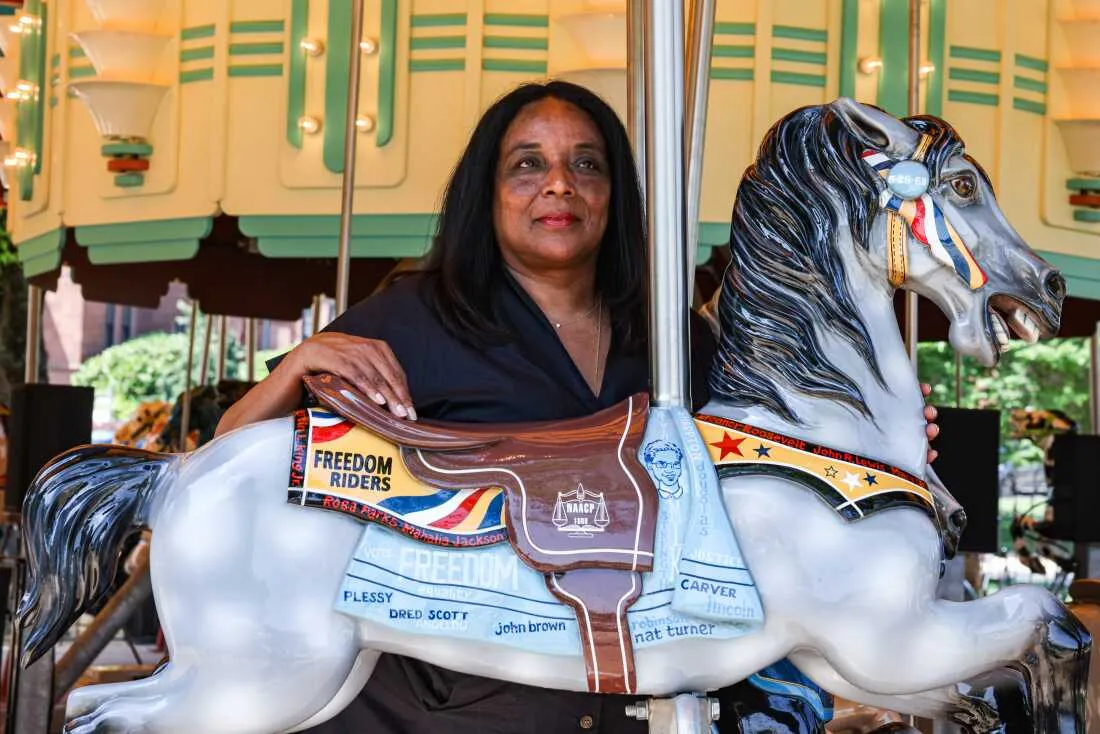
Sharon Langley was the first Black child to ride the carousel that day. She was just 11 months old. "So while that was occurring in D.C., quiet activism with little people was occurring on the same date," Langley said. Years later, she co-wrote a children's book about her experience. This week, she rode again on a horse named Freedom Rider.
Langley believes it is fitting for the carousel to be "with all the monuments of freedom." She sees it as a monument for children to enjoy and experience the pursuit of happiness.
Restoration and Reopening
Hurricane Agnes damaged Gwynn Oak's rides and buildings in 1973. The park then closed, and the carousel went into storage. Soon after, Smithsonian Secretary S. Dillon Ripley decided to replace the old carousel on the National Mall.
Smithsonian Secretary Lonnie Bunch III wrote that the Smithsonian looked for a grand replacement. "Gwynn Oak's hand-carved beauty, an emblem of the struggle for civil rights, fit the bill," he noted.
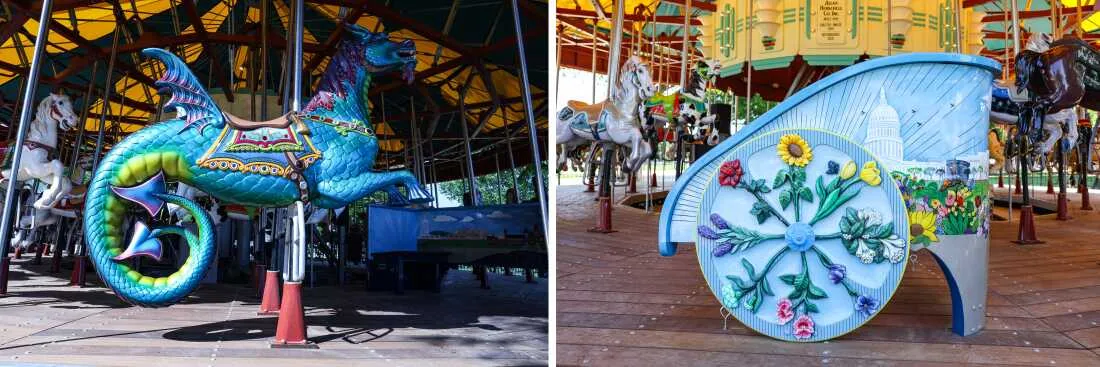
The restored Gwynn Oak carousel now stands in front of the Smithsonian's Arts and Industries Building. It features 54 horses, a sea monster, a pig, and two chariots.
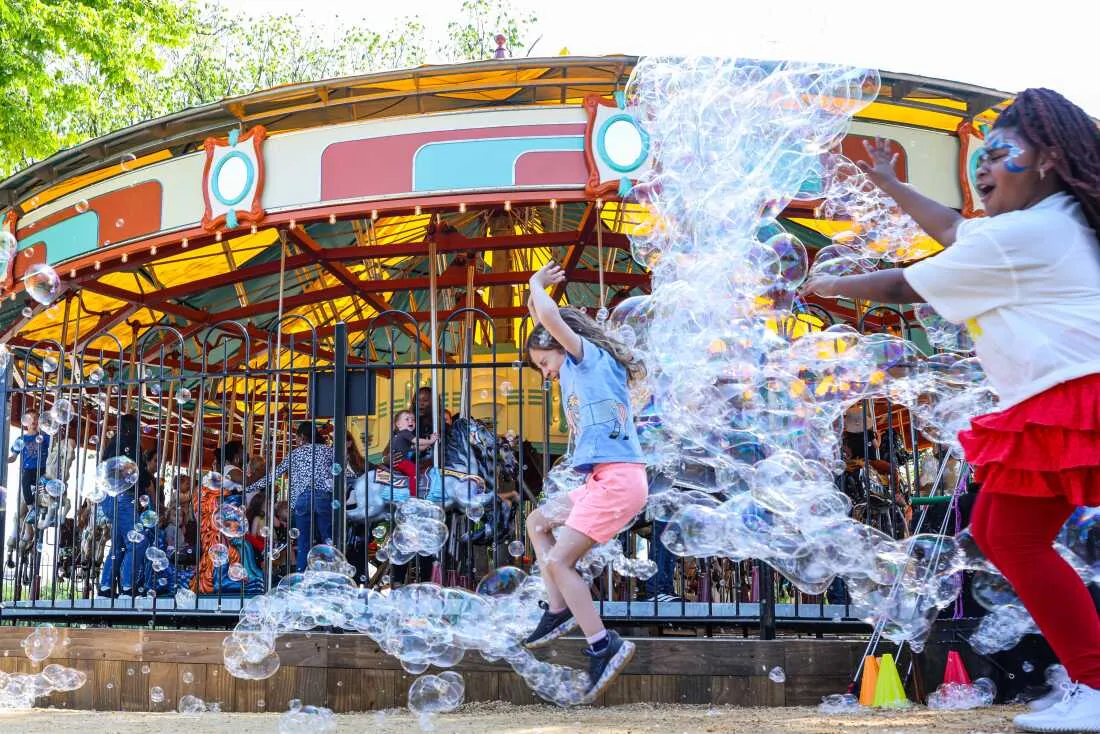
The children riding the carousel this week might not know its Civil Rights history. Seven-year-old Lucas Platt from Virginia gave the carousel high praise. "It's actually one of the fastest carousels I've really been on," he said. "Usually they're much slower than this. It's great. I really like it. Nothing bad about it."