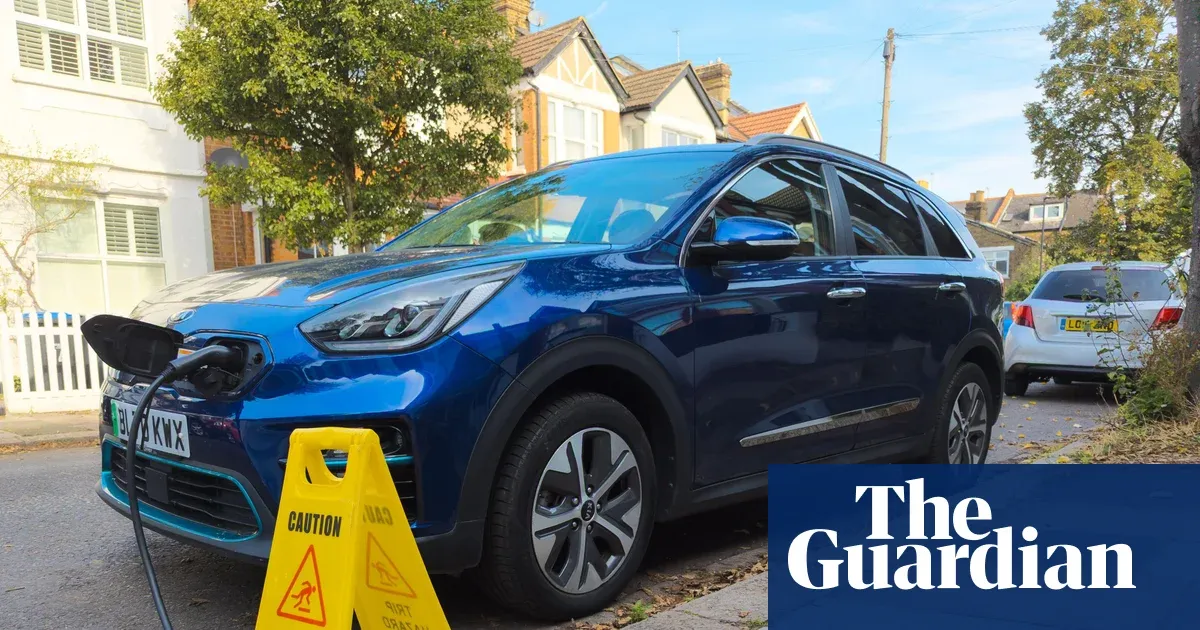
Diesel's reign on British roads is ending—not with a bang, but with a steady decline that's already well underway. Battery electric cars will overtake diesels by 2030, according to new analysis, marking the end of a fuel type that once seemed like the sensible choice.
The numbers tell the story. Diesel cars on Great Britain's roads dropped to 9.9 million last June, down 21% from a peak of 12.4 million. Electric car sales keep climbing, though not quite as fast as manufacturers hoped. For those who remember the 2000s "dash for diesel"—when the government offered cheaper tax rates—this reversal feels almost inevitable in hindsight.
There's a reason for the shift. Diesel engines are efficient at burning fuel and producing less carbon dioxide than petrol engines. But they produce significantly more nitrogen oxides, pollutants that damage human health. The 2015 Dieselgate scandal, when Volkswagen was caught using software to cheat on emissions tests, exposed just how damaging this gap could be. Recent analysis suggests those cheat devices were responsible for thousands of deaths and asthma cases across the UK. VW alone paid €30 billion in fines and compensation worldwide.
We're a new kind of news feed.
Regular news is designed to drain you. We're a non-profit built to restore you. Every story we publish is scored for impact, progress, and hope.
Start Your News DetoxThe public response was swift. Diesel car sales crashed to fewer than 100,000 in the first 11 months of 2025. What's slowing the transition now isn't reluctance—it's simple mathematics. Cars bought during the diesel peak years are only now being scrapped, so older vehicles still dominate the roads. Right now, diesel makes up 32% of cars on UK roads, compared with 58% petrol and just 4% battery electric. Another 6% are hybrids.
Where the real lag is happening
The story is messier for vans. Diesel vans have hit a record 4.4 million, and their numbers keep rising. The peak of new diesel van sales probably happened before the pandemic, so eventually these will decline too—but the timeline is murkier than for cars.
There's also a geographic twist worth noting. As cities become less welcoming to diesel cars, owners are selling them to people in rural areas where charging infrastructure is thinner. Urban air quality will improve first; the transition will take longer in the countryside.
What does this mean on the ground? Quieter streets in cities. Cleaner air where pollution tends to concentrate. Filling stations will start pulling diesel pumps as demand drops, which will accelerate the shift further. Electric cars cost far less to run once you own them—no oil changes, cheaper "fuel."
"Ending the use of diesel is essential to clean up Britain's choking cities," said Ben Nelmes, chief executive of New AutoMotive. "The UK is now rolling out electric cars at a rapid pace, and this is great news for everyone that enjoys clean air, quieter streets and really cheap running costs."
Diesel had its moment. It solved a real problem in the 2000s—efficiency, lower emissions per mile. But the health costs of nitrogen oxides turned out to be higher than anyone wanted to admit. Now the technology that replaced it is finally catching up in price and practicality.
As older diesel cars reach the end of their life over the next five to ten years, the roads will shift faster than the raw percentages suggest. The transition is already baked in.