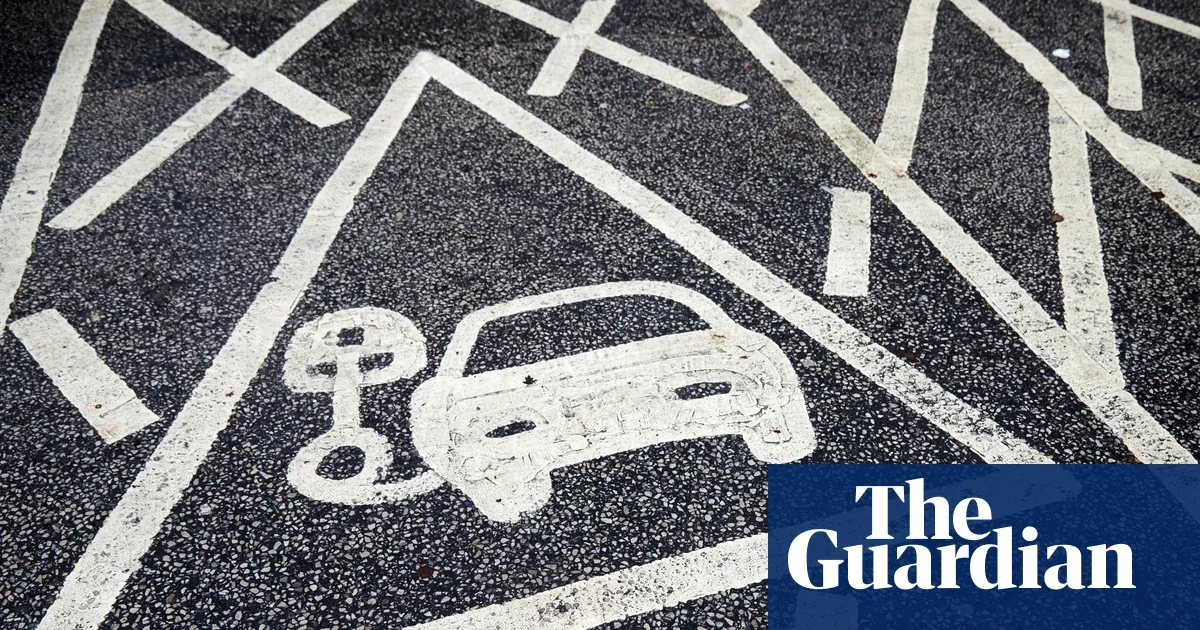
The UK's electric vehicle charging market is entering a shake-out. Up to 150 separate operators are expected to collapse into five or six dominant players within the next few years, driven by rising costs, intense competition, and investors hungry for returns on pandemic-era bets.
The numbers tell the story. There are nearly 88,000 charge points spread across 45,000 UK locations today. That's a remarkable infrastructure build-out in just a few years. But it's also revealed a hard truth: not every operator can make money from every location. Some companies installed chargers betting on future demand that hasn't yet materialized. Their cash is running out.
"Numerous" companies have already approached Be.EV, a charging network backed by Octopus Energy, looking for a buyer, according to co-founder Asif Ghafoor. "Companies are running out of money," he said. "This is a very crowded space."
We're a new kind of news feed.
Regular news is designed to drain you. We're a non-profit built to restore you. Every story we publish is scored for impact, progress, and hope.
Start Your News DetoxThe pressure is structural. Charging infrastructure is capital-intensive—you need money upfront to build the network. It's also competitive in a way that favors scale. A company with 10,000 chargers can negotiate cheaper contracts, share back-office costs, and buy equipment in bulk in ways a company with 500 chargers simply cannot. Simon Smith, CEO of Voltempo (which focuses on truck charging), put it plainly: "The right sites and fast utilization decide who survives. If volumes do not ramp up, payback stretches, assets get stranded and consolidation follows."
There's also a timing problem. Private equity and venture capital investors who poured money into charging during the pandemic typically expect to see returns within five years. That timeline is now colliding with a market that's still ramping up. Some operators are profitable; others are not yet. For those burning cash, the pressure to find a buyer—or shut down—is mounting.
Who's Winning
Shell dominates the UK market, followed by the government-backed Connected Kerb and EDF's Pod Point. But the competitive field is sprawling: Sainsbury's, BP, Total, BMW, Ford, Hyundai, Mercedes-Benz, and Volkswagen (through its Ionity network) all operate chargers. It's the widest "I'll have a go" sector Ghafoor has encountered.
Smaller players are finding niches. Be.EV, with 2,500 chargers, focuses on ultra-rapid charging at busy destinations like retail parks and coffee shops. Voltempo targets lorry depots, where fleet operators have predictable demand and can monetize by renting chargers to van operators.
But niche strategies only work for so many players. The consolidation wave appears inevitable—and it may actually accelerate investment. "That consolidation will allow investment and that scale," Ghafoor said. As the market matures and fewer operators compete, the survivors will have clearer paths to profitability and the stability to attract fresh capital.