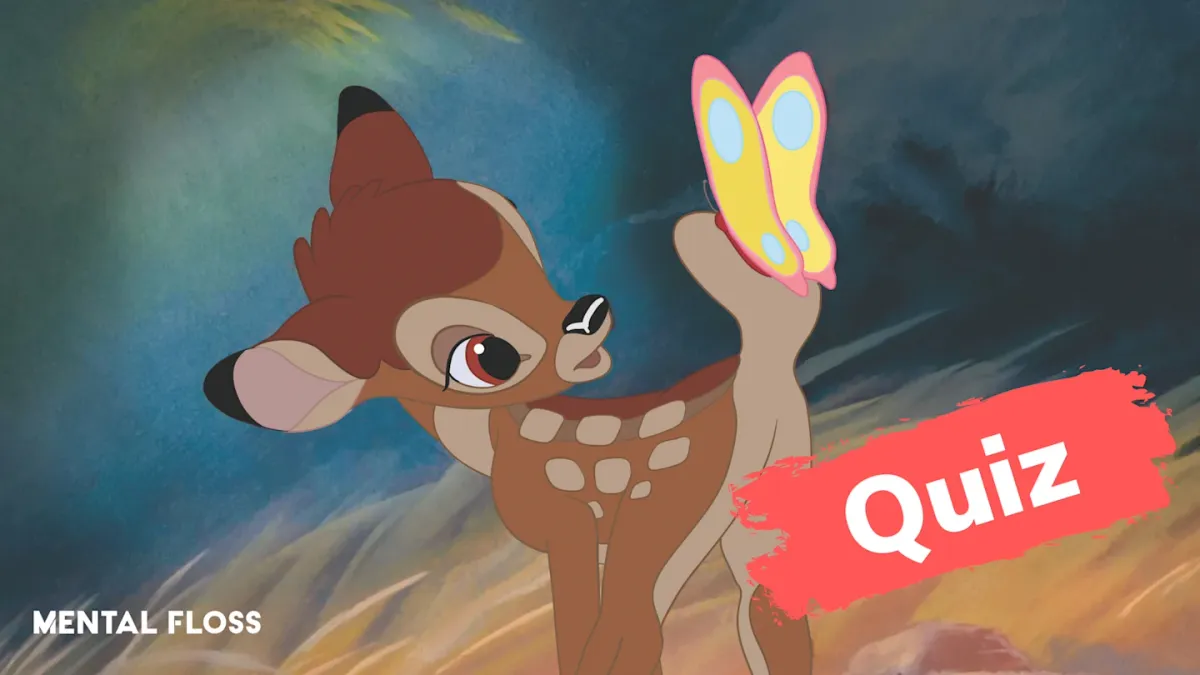
When Bambi arrived in theaters in 1942, Walt Disney's own daughter objected to one scene. Not because it was poorly animated or narratively weak, but because it was too painful: the death of Bambi's mother. Eighty years later, that moment remains one of the most unforgettable in children's cinema—the kind of scene that stays with you into adulthood.
The film's emotional weight came partly from its source material. Disney based Bambi on Felix Salten's 1923 novel Bambi: A Life in the Woods, which was never written for children. Salten's original story was considerably darker, and Disney's adaptation retained much of that gravity. The studio had to make a choice: soften the material for young audiences, or trust that kids could handle something genuinely moving. They chose the latter.
That gamble paid off, though not immediately. The film's initial reception was mixed—audiences weren't sure what to make of a children's movie that didn't shy away from loss and mortality. But something shifted over time. Bambi stopped being seen as a risky experiment and started being recognized as something rarer: a film that respected its audience's capacity to feel.
We're a new kind of news feed.
Regular news is designed to drain you. We're a non-profit built to restore you. Every story we publish is scored for impact, progress, and hope.
Start Your News DetoxToday, the evidence is clear. Bambi holds a 91% rating on Rotten Tomatoes, with critics praising it as a "brilliantly animated, heart-tugging parable." In 2011, the Library of Congress selected it for the National Film Registry—the same honor given to fellow 1940s Disney releases Dumbo and Pinocchio. It's the kind of recognition reserved for films that don't just entertain, but endure.
What's striking is that Bambi proved something the animation industry sometimes forgets: that children's stories don't need to avoid difficult emotions to be meaningful. Sometimes the most powerful films are the ones brave enough to let audiences—of any age—sit with sadness for a moment.