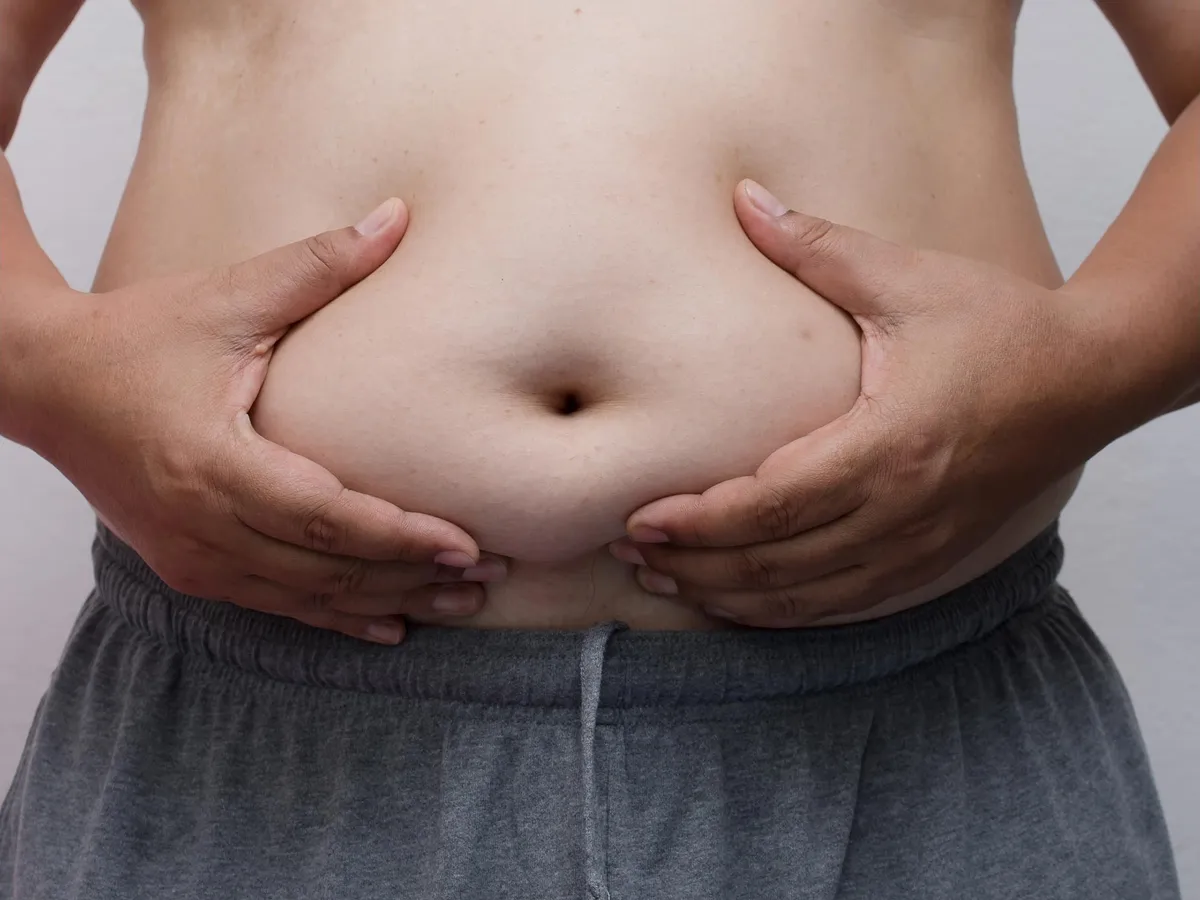
Ever wonder if your body truly bounces back after carrying extra weight? Scientists just found something pretty wild: fat cells can actually hit the reset button, even after years of obesity. It's like they can forget they were ever in trouble.
For a long time, we thought fat tissue might be permanently changed by obesity, leading to inflammation and health issues. But new research out of the University of Southern Denmark shows our fat is way more adaptable than anyone guessed. It can repair itself in a big way.
Led by Assistant Professor Anne Loft and Professor Susanne Mandrup, the team looked at fat samples from people with severe obesity. They checked in at three key times: before weight loss surgery, after losing a little weight through diet, and then two years after surgery, when people had dropped a lot of weight (20-45%).
We're a new kind of news feed.
Regular news is designed to drain you. We're a non-profit built to restore you. Every story we publish is scored for impact, progress, and hope.
Start Your News DetoxYour Fat Can Hit the Reset Button
What they found after major weight loss was seriously cool. The number of immune cells in the fat tissue — the ones that cause inflammation and mess with insulin — dropped dramatically. They went back to levels you’d see in someone who's naturally lean. Less inflammation means a lower risk of type 2 diabetes and heart disease. That's a huge win.
They also saw more cells that build blood vessels, which probably means better oxygen and nutrient flow. And the genes in these fat cells started acting like those in lean people again. It's like the fat tissue got a complete makeover.
Now, here's the thing: even losing just 5% of your body weight is known to boost your health. But this study showed that while your overall health improves, the fat tissue itself doesn't show less inflammation at that early stage. So, something else is helping at first.
What's that something else? The researchers think moderate weight loss might help create new, healthier fat cells. This could be what's making you more sensitive to insulin early on, even before the inflammation fully calms down. It's a clever way your body adapts.
So, the big takeaway? Your fat tissue doesn't hold a grudge. After significant weight loss, it can heal and look a lot like the fat tissue of someone who was never obese. It's a powerful reminder of how resilient your body really is.