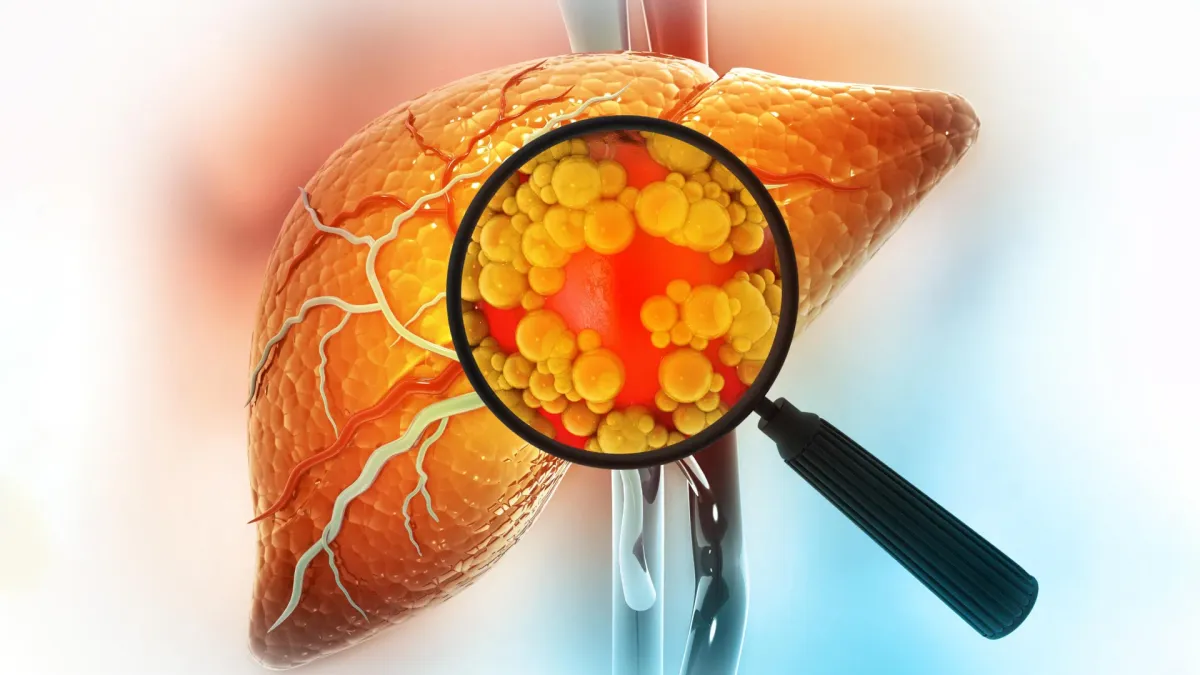
An experimental drug called DT-109 has reversed severe fatty liver disease in animal studies. It works by repairing the gut and stopping harmful toxins from damaging the liver. This discovery could lead to new treatments for MASH and other diseases linked to gut health.
MASH, or metabolic dysfunction-associated steatohepatitis, is a serious form of fatty liver disease. It affects about 7% of people worldwide. MASH can lead to cirrhosis, liver cancer, and liver failure, and there are few effective treatments.
The drug, DT-109, is a glycine-based tripeptide. Researchers found it reversed MASH in animal models by stopping a harmful process between the gut and liver.
We're a new kind of news feed.
Regular news is designed to drain you. We're a non-profit built to restore you. Every story we publish is scored for impact, progress, and hope.
Start Your News DetoxEugene Chen, a senior author of the study, noted that DT-109 protects the gut barrier. This reduces the flow of harmful microbial products that contribute to MASH. He believes the compound has great potential for treating MASH.
How Gut Bacteria Drive Liver Disease
Earlier studies showed DT-109 could improve MASH in animals. New research explains how it works. The team found that an overgrowth of the bacterium Clostridium perfringens contributes to the disease. This bacterium creates ammonia in the gut.
High ammonia levels damage the gut lining, weakening its protective barrier. When this barrier is damaged, harmful microbial products can enter the bloodstream. They then reach the liver and cause inflammation, including too much activation of CD8+ T cells. DT-109 stops this process, restoring health to both the gut and liver.
DT-109 Restores the Gut Barrier
In both mice and nonhuman primates, DT-109 lowered Clostridium perfringens levels and reduced ammonia production in the intestines. This strengthened the intestinal barrier, preventing harmful substances from moving from the gut into the body.
The results were especially promising in nonhuman primates. Their liver biology and gut bacteria are more like humans. In these animals, DT-109 reduced liver inflammation and greatly improved MASH severity.
Jifeng Zhang, a co-author, explained that DT-109 connects gut bacteria changes with liver protection. It restores the gut barrier and limits the movement of ammonia and other inflammatory products. He added that while DT-109 acts mainly in the gut, its effects reach much further.
Potential Benefits Beyond MASH
Researchers believe DT-109 could treat more than just fatty liver disease. Previous studies showed it can reduce plaque formation and prevent blood vessel hardening in nonhuman primates. This suggests it could also treat cardiovascular disease.
Since a damaged intestinal barrier is linked to several digestive disorders, DT-109 might also treat conditions like inflammatory bowel disease (IBD). Future research will involve more testing to prepare DT-109 for human clinical trials.
Elliot Tapper, Academic Director of Hepatology at Michigan Medicine, said the study offers new insights into MASH. He is excited about this potential treatment for a difficult condition. He noted that MASH patients need a safe and effective therapy to improve their liver and heart health.
Deep Dive & References
Metabolic dysfunction–associated steatohepatitis exacerbated by Clostridium perfringens–derived ammonia is attenuated by tripeptide DT-109 - Journal of Clinical Investigation, 2026