The Department of Transportation just distributed nearly $1 billion in grants under the Safe Streets and Roads for All program for fiscal year 2025. This is the second major funding round since the program launched in 2022, backed by $5 billion total over five years from the Infrastructure Investment and Jobs Act.
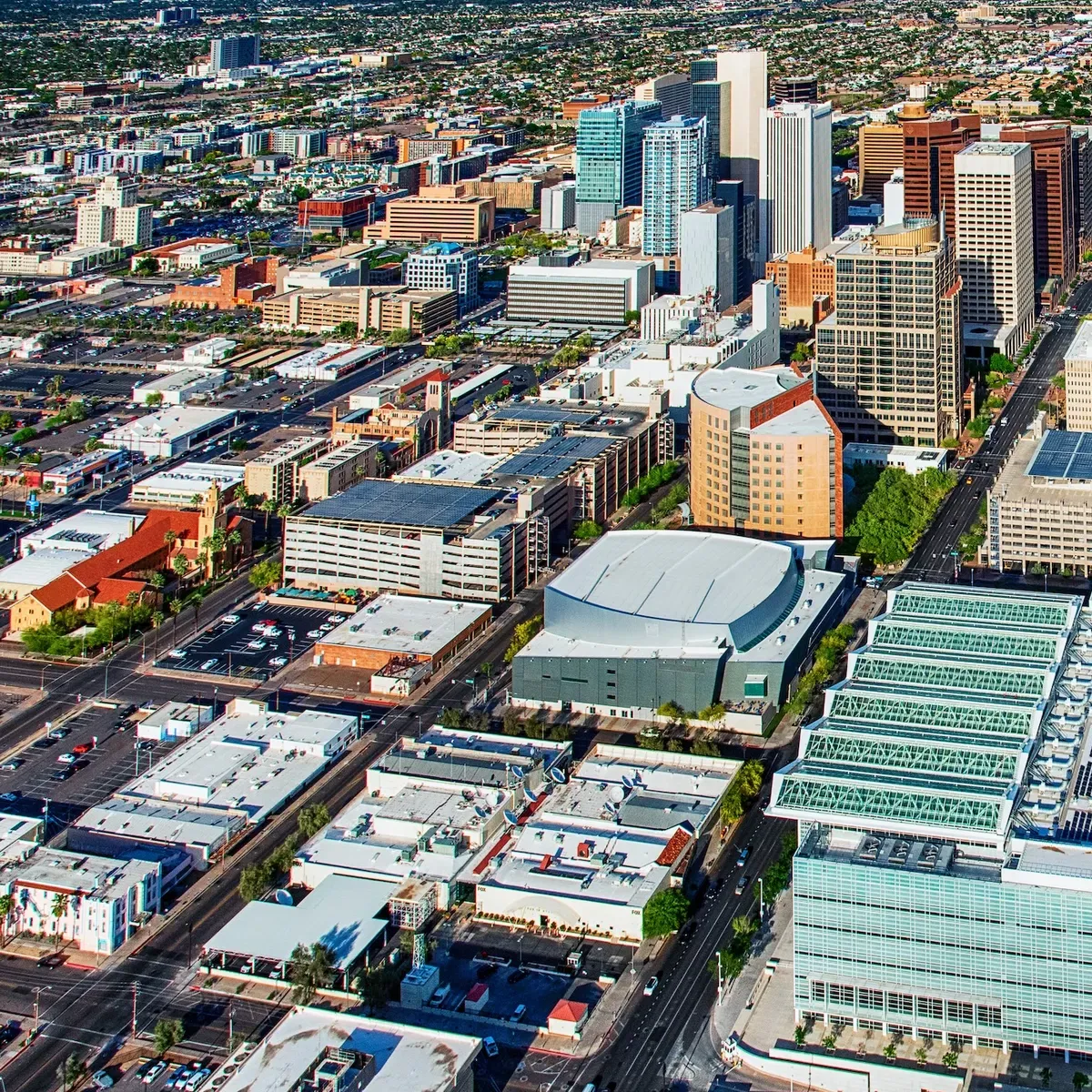
The money is already moving. Phoenix is getting $24 million to redesign six high-injury intersections and two highway corridors. Omaha received $12.5 million to build three roundabouts. Henrico County, Virginia will install lidar pedestrian-detection sensors at 80 dangerous intersections. Even small towns are in the mix — North Kingston, Rhode Island got $60,000 to add stop-arm cameras to all 33 of its school buses.
In total, 521 projects won funding across 48 states, 18 tribal nations, and Puerto Rico. The grants support both planning (where communities design their safety strategies) and implementation (where they actually build the changes). The program requires a minimum of 30% of funding to go toward planning and demonstration grants, giving communities time to get the approach right before scaling up.
We're a new kind of news feed.
Regular news is designed to drain you. We're a non-profit built to restore you. Every story we publish is scored for impact, progress, and hope.
Start Your News DetoxHow the money works
The typical path is straightforward: a community applies for planning money, develops a comprehensive safety action plan based on local crash data and traffic patterns, then applies for implementation grants to execute that plan. Federal experts from highway safety, traffic, and transit agencies review proposals together, looking for projects likely to reduce serious injuries and deaths.
Road fatalities in the U.S. have climbed in recent years despite overall safety improvements in other areas. The Safe Streets program targets this trend by funding the kinds of interventions that research shows work — better intersection design, pedestrian detection systems, traffic calming measures, and safer school bus operations. These aren't speculative fixes; they're based on what's already reduced crashes in other cities.
The next funding round opens in fiscal year 2026 with approximately $1 billion available. Communities that didn't get funding this year can refine their proposals and try again. The program's structure — offering planning grants before implementation — means even smaller towns without in-house traffic engineering can compete. They can use planning money to hire consultants, run community meetings, and build the case for what their streets actually need.
With over half a billion dollars already deployed and more coming, the question now is execution. Can cities move quickly enough to install these systems before the next funding cycle. Can they measure what actually works in their specific context and adjust. The infrastructure is there. The money is there. What happens next depends on how well communities can translate grants into safer streets.