

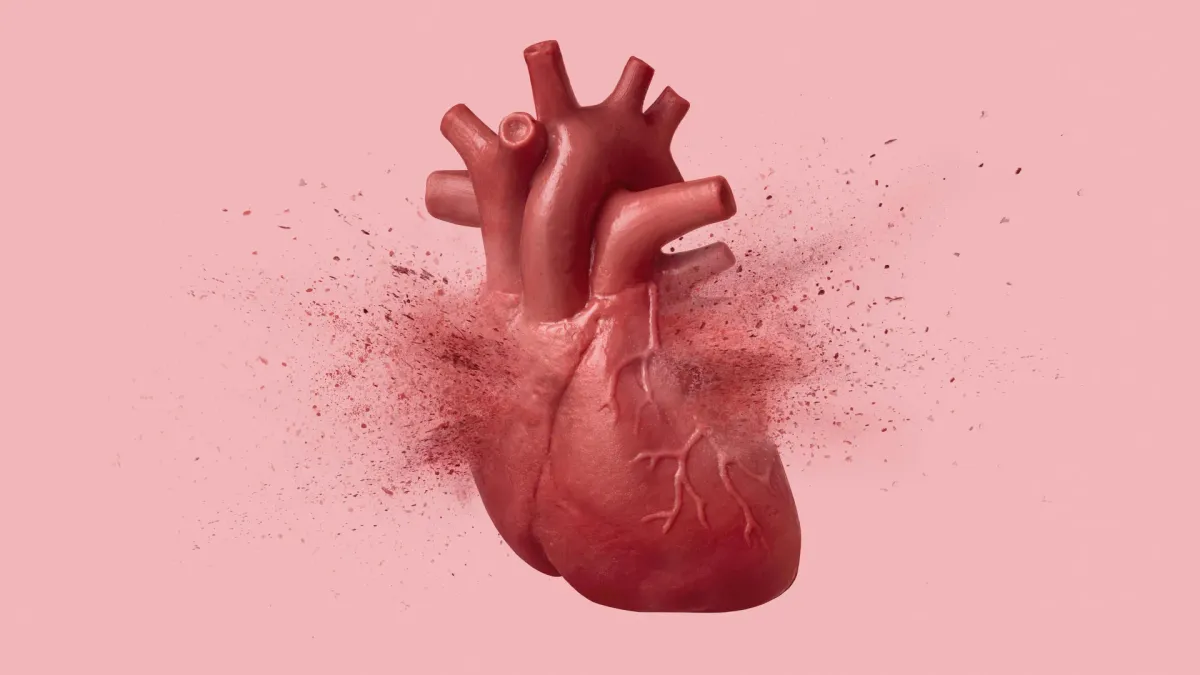
More than half of people with chronic kidney disease die from heart complications. For decades, doctors knew the two organs were connected—worse kidneys meant worse hearts—but nobody understood why. Now researchers have found the culprit: damaged kidneys release toxic particles directly into the bloodstream that sabotage heart function.
The particles are called circulating extracellular vesicles, and they're smaller than cells. When kidneys fail, these vesicles carry harmful RNA molecules into the blood, where they disrupt how the heart works and can trigger heart failure. It's a direct line of damage from one organ to another.
The Evidence
Lab work on mice showed the mechanism clearly. When researchers prevented these toxic vesicles from forming, the mice's hearts improved and signs of heart failure dropped. Then they looked at blood samples from people with chronic kidney disease and found the same harmful vesicles present—but absent in healthy people. The pattern was consistent across patients, suggesting this isn't a rare edge case but a core part of why kidney disease becomes so dangerous.
We're a new kind of news feed.
Regular news is designed to drain you. We're a non-profit built to restore you. Every story we publish is scored for impact, progress, and hope.
Start Your News DetoxThis matters because chronic kidney disease affects over 35 million Americans, concentrated among people with diabetes or high blood pressure. For most of them, the real threat isn't kidney failure itself—it's the heart attack or heart failure that follows. Understanding this pathway opens a new door.
What Comes Next
A blood test could soon identify which kidney disease patients are at highest risk of developing heart problems, before damage occurs. More importantly, drugs designed to block or neutralize these toxic vesicles could prevent heart failure in people whose kidneys are already compromised. Uta Erdbrügger, one of the researchers, put it plainly: "Our hope is to develop novel biomarkers and treatment options for our kidney patients at risk for heart disease."
The findings, published in Circulation, represent the kind of breakthrough that shifts how doctors think about disease. Instead of treating kidney and heart problems as separate conditions, they can now target the actual communication happening between them. That's precision medicine—understanding not just that two things are connected, but exactly how.





