When Storm Dennis hit Clydach Terrace in Ynysybwl in 2020, Paul Thomas was knocked off his feet by floodwater. The 66-year-old has lived on the street for 40 years. He's not staying much longer.
Rhondda Cynon Taf council has recommended purchasing all 16 homes on Clydach Terrace for £2.57 million and demolishing them. The street sits in what officials describe as a "unique risk of significant flooding" from the nearby Nant Clydach stream — a vulnerability made sharper by climate change and demonstrated brutally during Storms Dennis and Bert, when homes were extensively damaged and residents couldn't get affordable insurance.
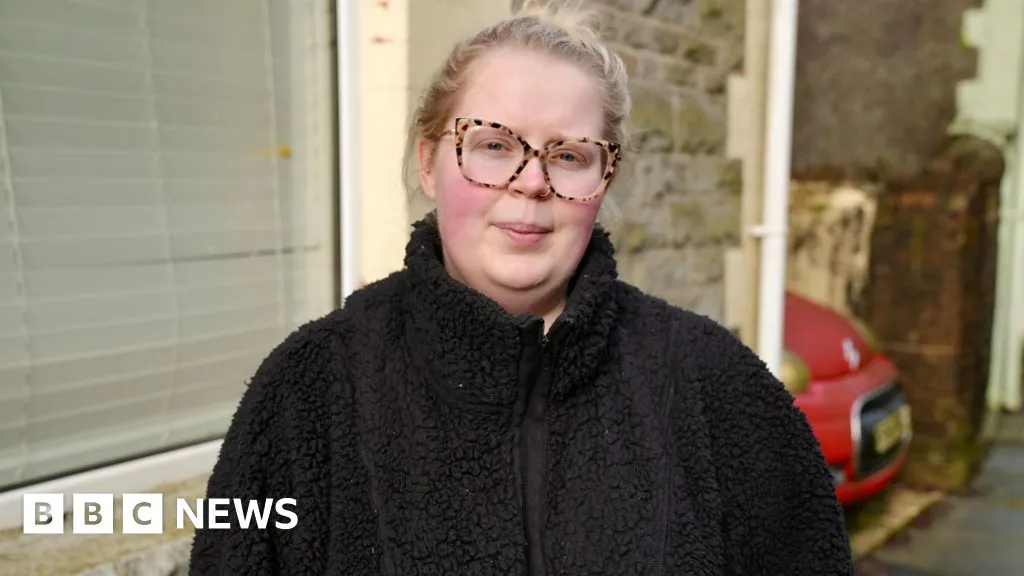
For people living here, the buyout feels less like a choice and more like inevitability. Paige Didcote describes her anxiety when leaving her dogs at home during flood warnings. Paul, despite living his entire adult life on this street, acknowledges the reality: "As soon as we're able to, we've got to go." The constant threat has taken what he calls a toll on his and his neighbors' health — the psychological weight of waiting for the next storm, the next evacuation, the next round of damage.
We're a new kind of news feed.
Regular news is designed to drain you. We're a non-profit built to restore you. Every story we publish is scored for impact, progress, and hope.
Start Your News Detox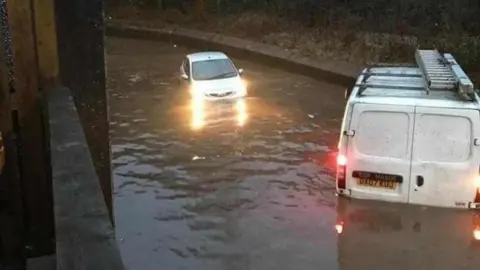 Cars were submerged as flooding hit Clydach Terrace during Storm Dennis in 2020
A Permanent Solution, But at a Cost
Demolishing the homes removes the flood risk entirely — no more storms, no more insurance nightmares, no more nights spent anxious about whether water will breach the door. For a street that's flooded repeatedly, it's a pragmatic response to a problem that won't solve itself.
But the proposal leaves residents in limbo. The financial details of the buyout remain unclear. Paige hopes to stay in the area, but doesn't know if relocation assistance will make that possible. Paul faces separation from his daughter and grandson who live nearby. The council's plan solves the flooding problem, but it doesn't answer the harder questions: Where will these families go? What will the compensation actually cover? Will they be able to rebuild their lives in the same community?
This is what climate adaptation looks like at street level — not in policy papers, but in families packing up homes they've known for decades because the water keeps coming. The council's decision reflects a shift toward managed retreat in high-risk areas, a growing reality as extreme weather intensifies. It's a necessary response to an impossible situation. Whether it's also a fair one depends entirely on what happens next.