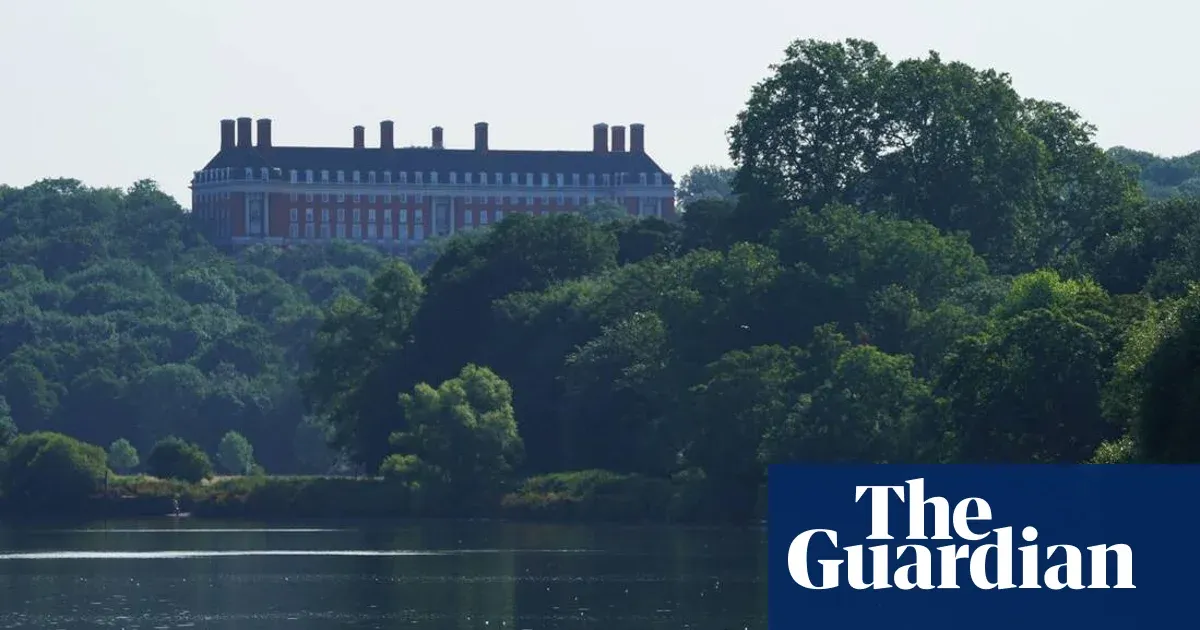
A stretch of the River Thames in south-west London could soon become the capital's first officially designated bathing water area — a milestone that reflects years of campaigning by local swimmers determined to reclaim their river.
The Thames at Ham was shortlisted after thousands of people submitted evidence showing they swim there year-round. Marlene Lawrence, founder of the Teddington Bluetits swimming group with over 2,000 members, led the application. "We want bathing water status to be a driver of keeping the River Thames clean," she said. The designation would trigger mandatory water quality monitoring by the Environment Agency and put pressure on water companies to reduce pollution.
But the path forward is complicated. Thames Water is pushing a scheme to extract tens of millions of litres of water daily from the Thames near the proposed bathing area, replacing it with treated sewage effluent from Mogden works. The Environment Agency rejected this plan in 2019 over environmental concerns — a decision that now sits uneasily with any attempt to improve the river's swimming status.
We're a new kind of news feed.
Regular news is designed to drain you. We're a non-profit built to restore you. Every story we publish is scored for impact, progress, and hope.
Start Your News DetoxA Broader Movement for River Reclamation
The Thames application is one of 13 new sites shortlisted across England, including stretches on the Rivers Yealm (Devon), Fowey (Cornwall), Dee (Chester), Swale (Yorkshire), and even Pangbourne Meadow in Berkshire, which inspired Kenneth Grahame's The Wind in the Willows. The campaign for river bathing water status began six years ago, driven by communities watching their waterways choked with sewage overflow, forever chemicals, and agricultural runoff.
At Ilkley in West Yorkshire, where the Wharfe became England's first river to gain bathing water status, Yorkshire Water committed over £85 million in infrastructure improvements. The group Save our Swale, fighting for the River Swale's designation in Richmond, points out that swimmers have used Richmond Falls for decades despite repeated sewage spills from storm overflows.
Designation matters because it forces accountability. Water companies face pressure to cut pollution in monitored areas — the only real leverage communities have. Currently, water quality at all but two of England's 14 designated inland bathing sites is rated poor, a reminder that the designation is a beginning, not a solution.
The public consultation runs for six weeks, with the potential to bring the total number of designated bathing water areas to 464 nationally. Yet campaigners like Amy Fairman of River Action argue the real work lies upstream: restructuring water companies to prioritize environmental health over profit, tackling agricultural pollution, and addressing the chemical cocktail poisoning England's rivers. Until those shifts happen, designation alone won't make rivers safe to swim in — it will just make the pollution harder to ignore.