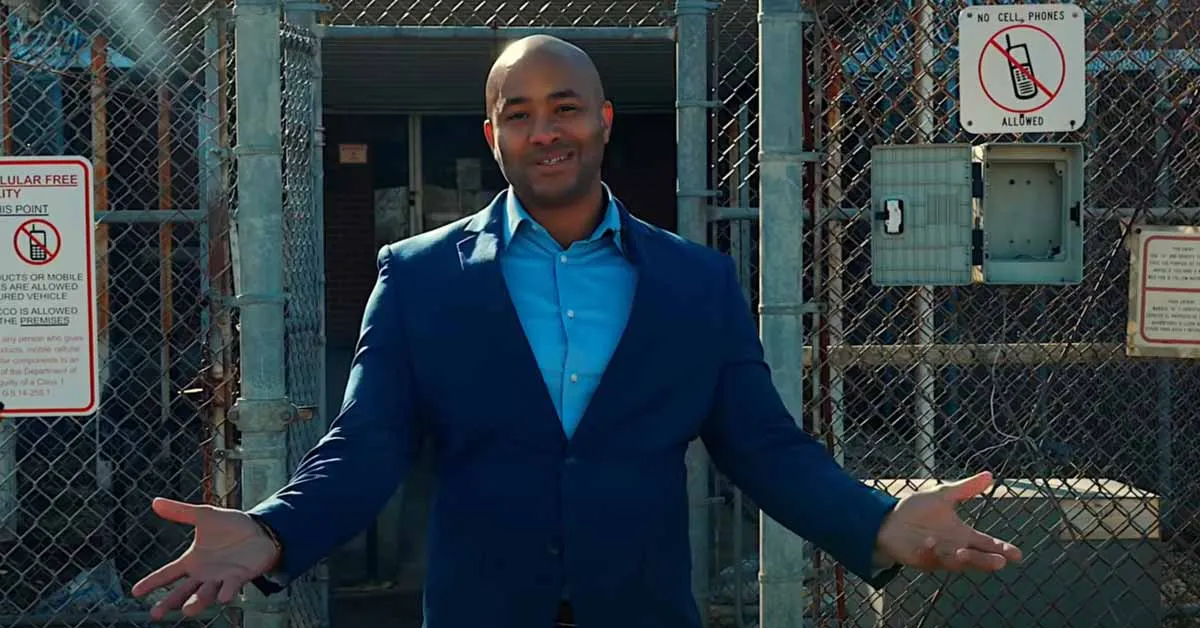
Kerwin Pittman spent 11 and a half years in prison—over a year of it in solitary confinement—for a crime he committed at 18. Eight years after his release, he's now the owner of a prison building, and he's converting it into something the opposite of what it was: a place where people get a second chance instead of a longer sentence.
In November 2025, Pittman purchased the shuttered Wayne County Correctional Center in Goldsboro, North Carolina for $275,000. The facility has sat empty since 2013. By 2027, he plans to open it as the Recidivism Reduction Campus—a 300-bed residential program combining transitional housing, mental health support, workforce training, and case management for formerly incarcerated people rebuilding their lives.
This isn't a theoretical idea. Pittman has been testing it for years. After his own release, he founded RREPS (Recidivism Reduction Educational Program Services), a nonprofit that runs an anti-recidivism hotline, mentorship programs, and a mobile center—a refurbished bus that travels through Goldsboro offering resources for housing, jobs, and mental health care. The campus is the next evolution of that work.
We're a new kind of news feed.
Regular news is designed to drain you. We're a non-profit built to restore you. Every story we publish is scored for impact, progress, and hope.
Start Your News Detox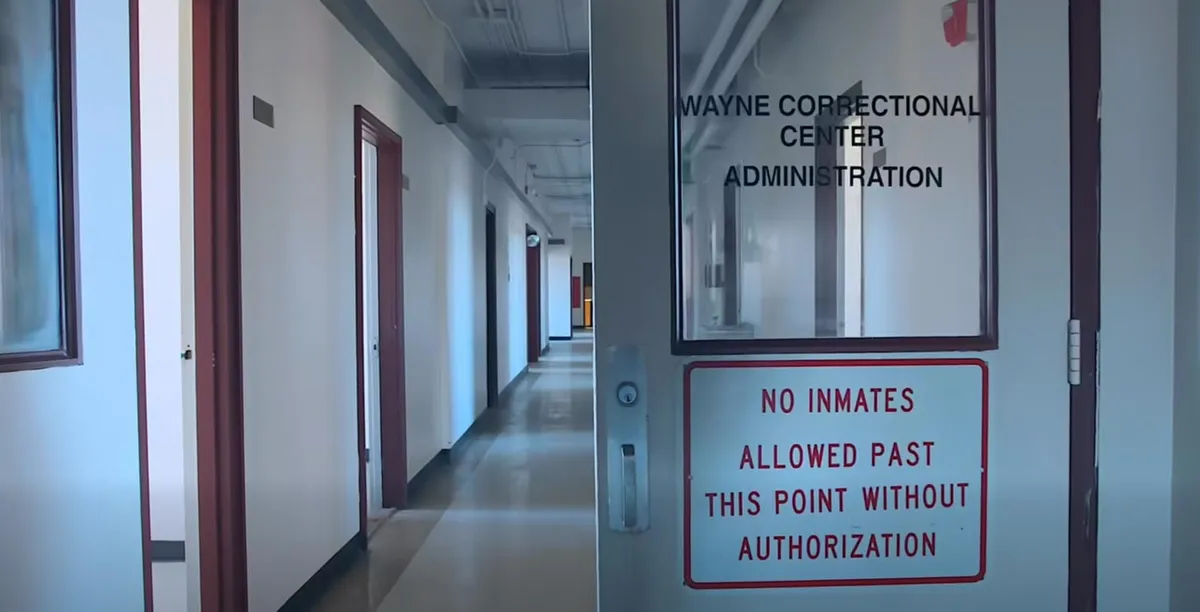
Why This Matters Right Now
The numbers explain the urgency. Of the 13,000 people released from North Carolina state prisons in 2021, 44% were re-arrested within two years. That's not a personal failure rate—it's a system failure. Most people leaving prison don't have stable housing or job prospects. Many have nowhere to go, or face arbitrary time limits on where they can stay. Pittman had family support after his release. Many of his friends didn't, and they cycled back into the system.
The campus addresses this directly. Residents will complete a six-month stabilization program with industry certifications in high-demand trades. Instead of dormitories, they'll have private rooms. Instead of bars and barbed wire, the redesigned space will look like a college dorm—windows uncovered in bathrooms, signs about "no inmates allowed" removed entirely. The physical environment signals something crucial: this is not punishment. This is recovery.
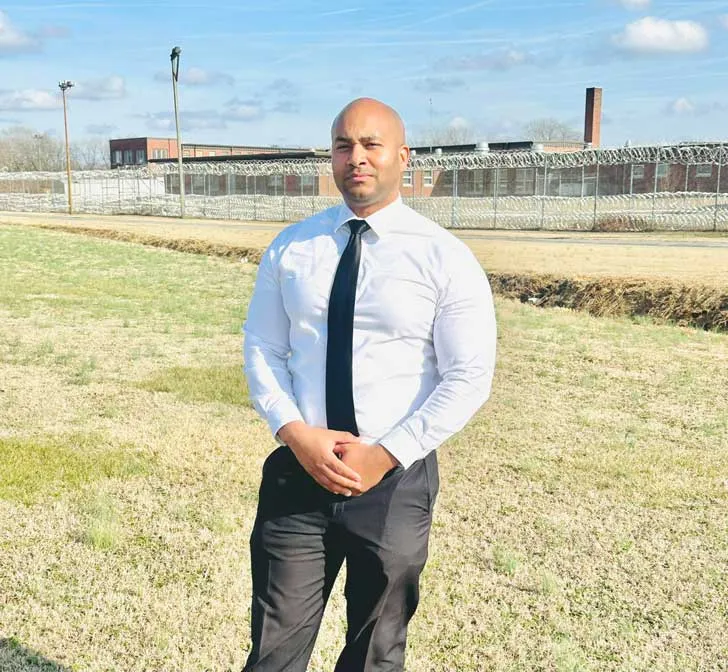
What makes this genuinely distinctive is not just the program concept—job training for justice-involved people exists elsewhere—but who's building it and where. Pittman is believed to be the first formerly incarcerated person to purchase a prison facility in U.S. history. He's converting a site of confinement into a site of ownership and healing. That symbolic reversal matters, especially to the people who will walk through those doors knowing someone who's been where they are now is running the place.
The project will cost roughly $2 million to complete, relying primarily on private donations, though state and federal funding avenues are being explored. Construction hasn't started yet, but Pittman's track record suggests momentum. He's already serving Goldsboro's reentry population through RREPS. He's proven the model works. Now he's scaling it.
In his announcement, Pittman wrote: "This moment isn't just about me. It's about every person who has been counted out, every family waiting for their loved one to come home whole, and every community that deserves healing." That framing—from incarceration to ownership, from punishment to purpose—is what distinguishes this from standard reentry programming. It's not charity. It's structural change led by someone who understands the problem from the inside.