Max Archuleta, 80, has spent most of his life at car shows—the kind where you wake up early, walk the rows of polished chrome and fresh paint, talk engines with strangers who become friends. Last week, when he was too weak to go to those shows anymore, the shows came to him.
His granddaughter Annaliesse Garcia posted a simple request on social media: her grandfather loved classic cars, he had terminal cancer, could anyone help. She imagined maybe a handful of people might show up to his Lakewood, Colorado home. Fifty car owners arrived instead.
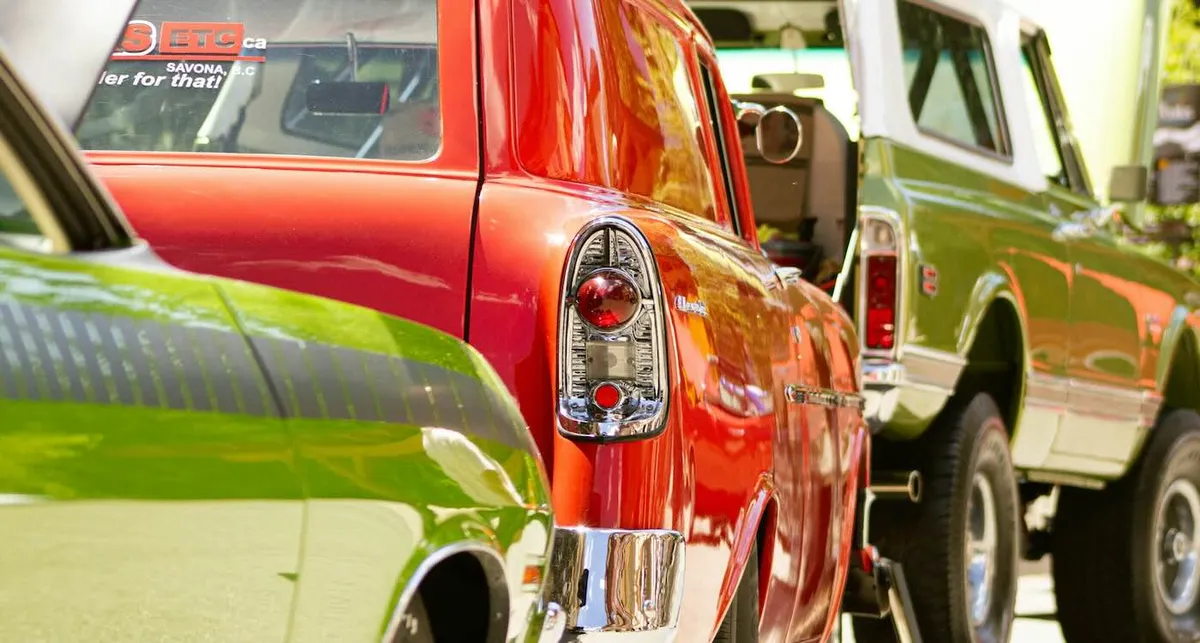
They lined up in single file—a 1951 Ford Shoebox, a turquoise sedan, a cherry-red convertible, vehicles in every color imaginable. They drove slowly past his house, drivers waving, horns sounding, some flying American flags from their windows. It took time for all of them to pass. It was meant to.
We're a new kind of news feed.
Regular news is designed to drain you. We're a non-profit built to restore you. Every story we publish is scored for impact, progress, and hope.
Start Your News Detox"I couldn't believe everybody," Max said afterward. "Just all this for me."
What makes this moment worth noticing isn't the surprise itself—it's what it reveals about how communities actually work. Car shows aren't just about the vehicles. They're about people showing up for the thing they love, and by extension, for each other. Butch Souza, who owns the 1951 Ford, had seen Max at a show the summer before. He didn't know him well. But he understood the unspoken rule: when someone in your community needs something, you show up. "That's something that you do for your community," Souza said.
That's the throughline here. Annaliesse didn't organize a charity event or coordinate through an institution. She just asked. And because car shows have always been about community—about strangers bonding over a shared passion—the community responded. Fifty people rearranged their day for a man they mostly didn't know, to give him one more experience of the thing that had given him joy for decades.
Terminal illness strips away a lot of things. Mobility, energy, the ability to do the rituals that make life feel like yours. What happened at Max's house was a small defiance of that. Not a cure, not a reversal—just a recognition that the thing you love matters, and so do you. The parade lasted maybe twenty minutes. It's the kind of thing that sounds small until you're the person receiving it.