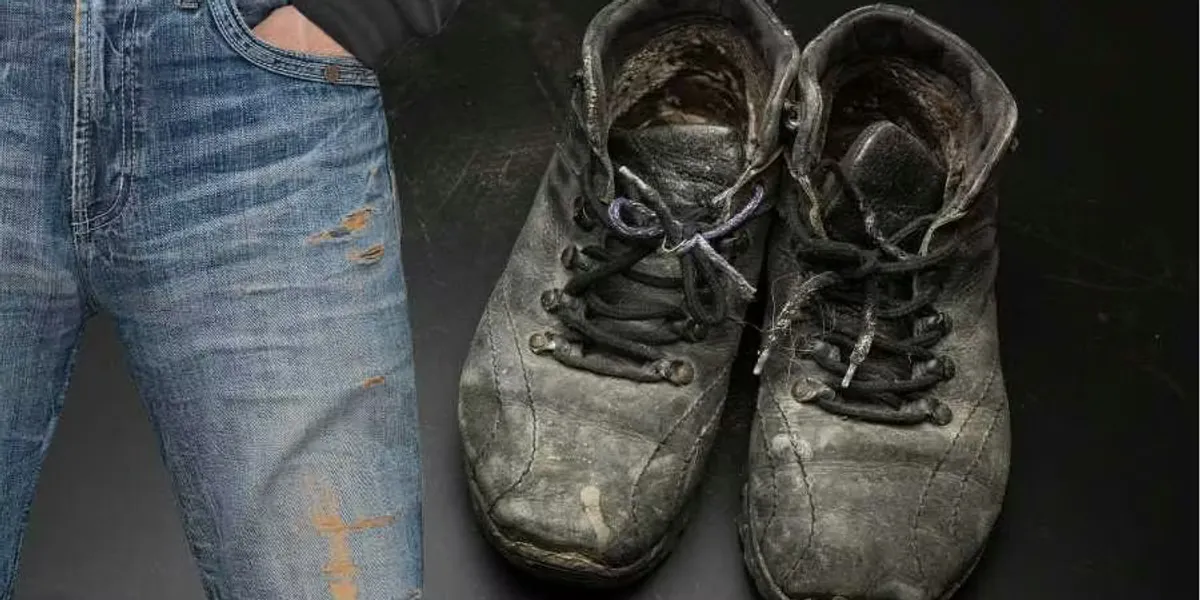
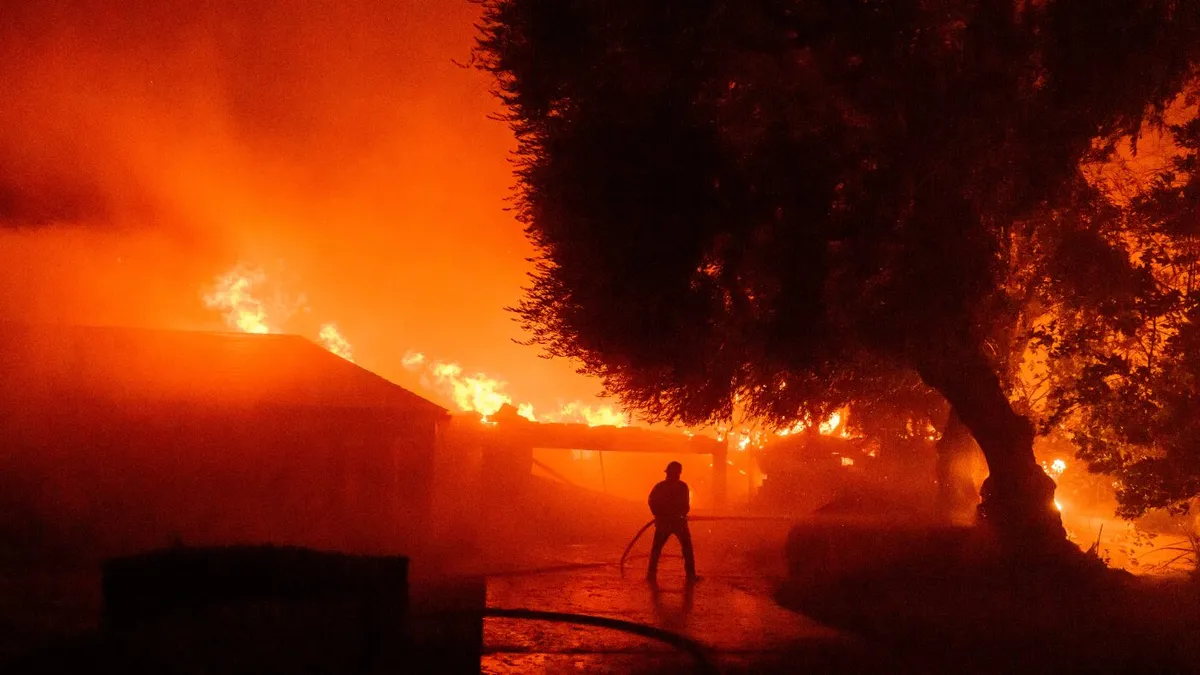
Journalist Jacob Soboroff had made a joke on New Year's Eve 2024: the last thing he wanted was to cover a story that required a fire-safe yellow suit. One week later, he was wearing it, standing on a street corner in Pacific Palisades—the neighborhood where he grew up—watching it burn.
"This was a place that I could navigate with my eyes closed," Soboroff says. "Every hallmark of my childhood I was watching carbonize in front of me."
That assignment became the foundation for his new book, Firestorm: The Great Los Angeles Fires and America's New Age of Disaster. What started as a reporting job transformed into something more personal: a reckoning with loss, community, and the messy reality of how neighborhoods actually recover.
We're a new kind of news feed.
Regular news is designed to drain you. We're a non-profit built to restore you. Every story we publish is scored for impact, progress, and hope.
Start Your News DetoxWhat the fires revealed
The scale of what Soboroff witnessed was almost incomprehensible. Firefighters told him their eyeballs were burning, that they'd laid flat on concrete streets because the heat was the only way to open hoses fully. Trees blazed behind him. Structures threatened to collapse. The sensory assault was total—smoke choking, heat searing the back of his neck, the surreal juxtaposition of childhood memories turning to ash in real time.
But the fires also exposed something structural about Los Angeles. Undocumented immigrants became essential to the cleanup and rebuilding work—the "second responders" who arrived after the first emergency passed. Governor Newsom recognized the precarity of this: these workers, so vital to recovery, faced the threat of immigration enforcement campaigns that would later unfold across the city. The disaster, in other words, didn't just destroy homes. It laid bare the inequalities that shape who rebuilds and who gets left behind.
The slow work of coming back
Months on, the affected neighborhoods still look like active construction sites. Empty lots sit alongside homes under reconstruction. Workers arrive during the day and leave at night. Some residents have chosen not to return at all—"lots and lots of for-sale signs," Soboroff notes, marking neighborhoods where people either couldn't afford to come back or couldn't stomach staying.
For those who did return, the road ahead is long. Half the streets will have houses under construction for years. The pace is uneven. There's no quick reset button.
Yet something unexpected emerged from the wreckage. Soboroff found himself connected to people he might never have otherwise met—neighbors rebuilding together, firefighters and first responders who'd risked everything, his own family members he hadn't seen in years. "I don't think I realized at the time how badly I needed the connections that I made in the wake of the fire," he reflects.
What could have been a purely catastrophic story became, for Soboroff, something more complicated: a cathartic opportunity to find community with strangers and reconnect with people he'd drifted from. The rebuilding continues, slow and uneven, but it's happening—and it's happening together.