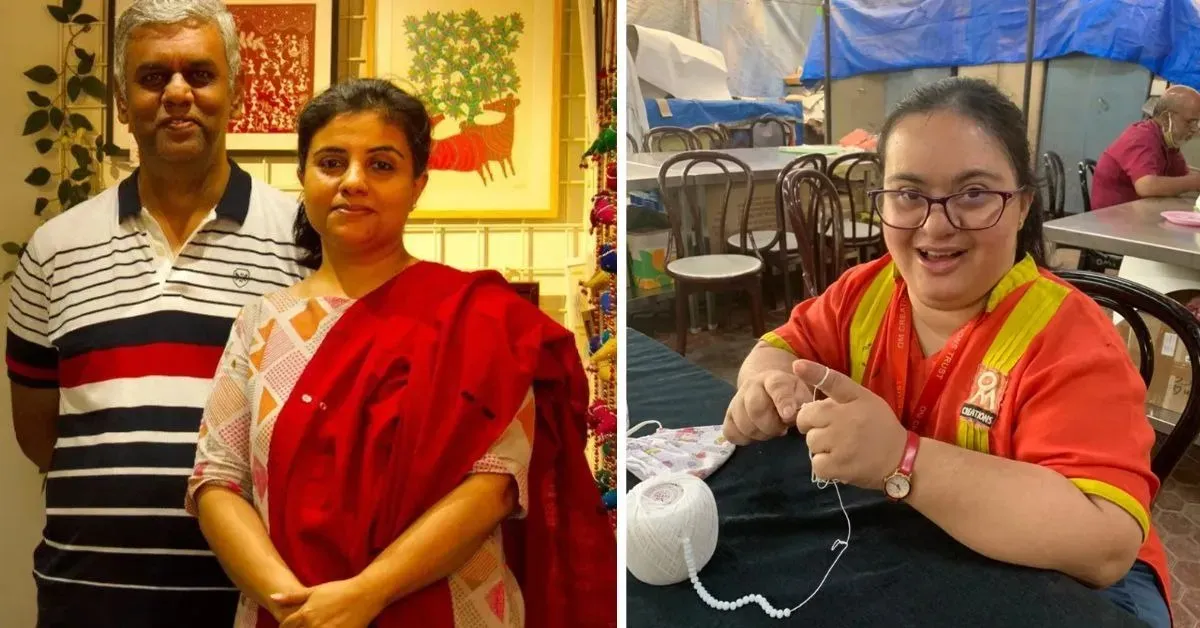
Remember when you left your corporate job right before a global pandemic hit? No? Well, Bhumika Marwaha and Bipin Joshi did, and they turned it into something rather brilliant.
In 2020, these two engineers decided the corporate world wasn't quite hugging them back, so they launched Jhappi – which, fittingly, means "a hug of hope." Their goal: to create a steady income stream for NGOs and the people they support, moving beyond the usual pity purchases.
The Un-Pity Party
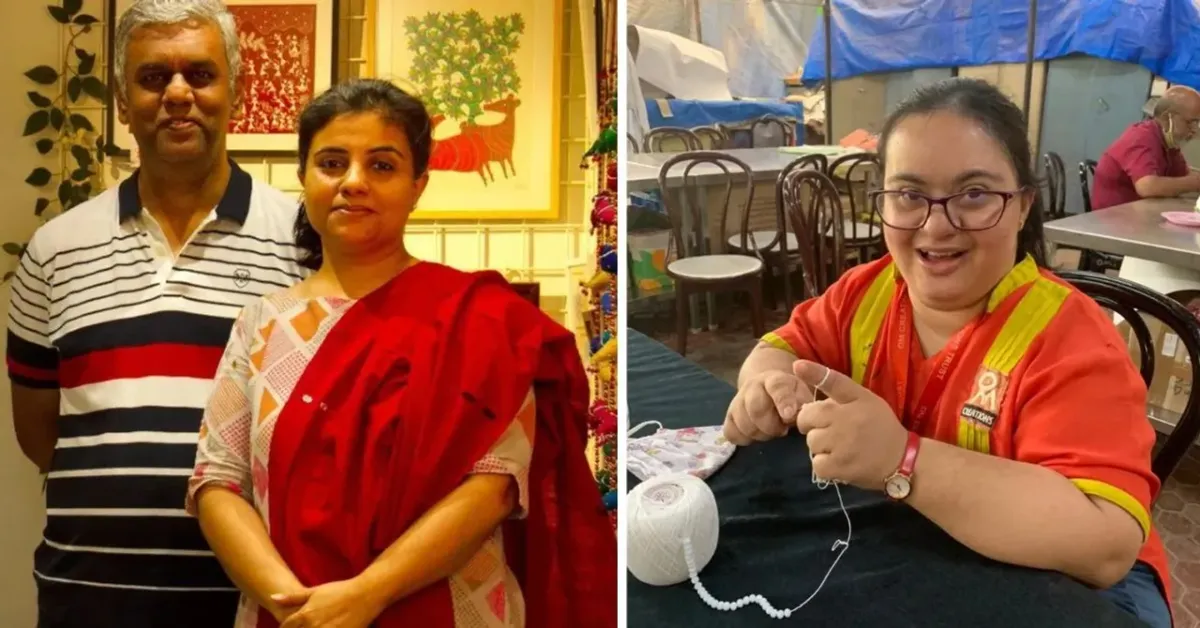
It all kicked off in 2021 with Nethra Umbrellas, a 40-year-old NGO where visually impaired individuals craft seriously high-quality brollies. Bhumika realized that while the umbrellas were great, the sales often relied on sympathy. So, they leveraged digital tech and social media to shift the focus squarely onto the product's excellence, not just its origin story.
We're a new kind of news feed.
Regular news is designed to drain you. We're a non-profit built to restore you. Every story we publish is scored for impact, progress, and hope.
Start Your News DetoxThat success led them to open physical retail stores in Mumbai in 2022. Because while e-commerce is great, Bhumika believes there’s something powerful about a brick-and-mortar space where you can actually hear the narrative behind a handcrafted item. It’s about showing that people with disabilities aren't just consumers; they're skilled producers.
More Than Just Merchandise
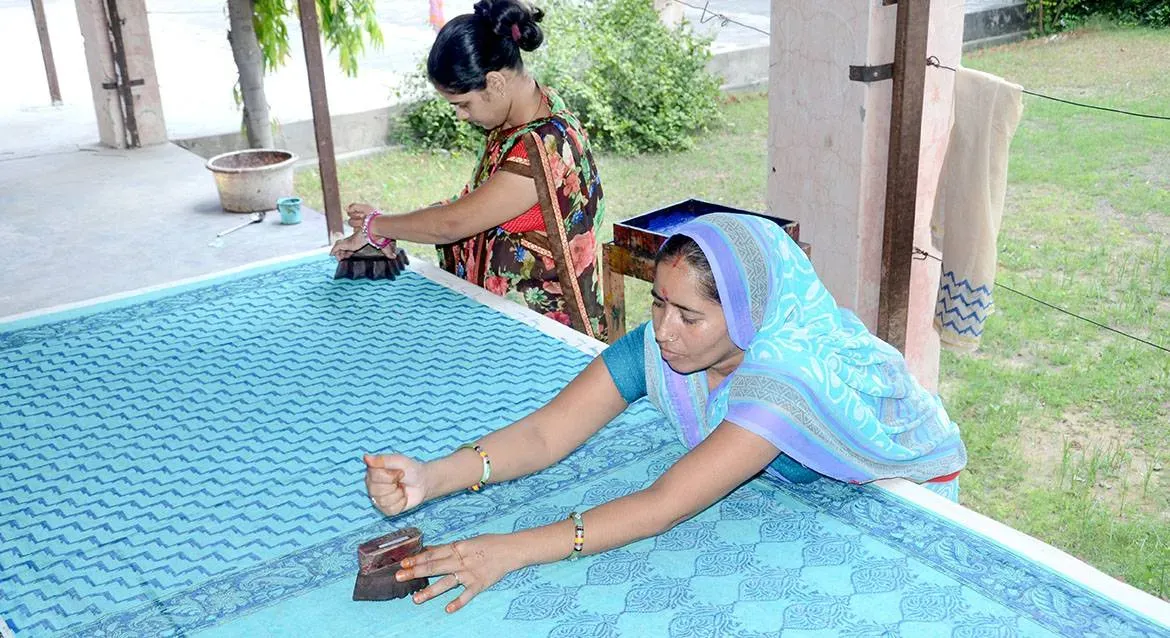
Take the Women's India Trust. Jhappi partnered with them in 2022 to revive a block-printing unit where underprivileged women make soft toys. The unit had gone quiet. Now? They're struggling to keep up with demand, and Taj Hotels is even gifting these toys to their young guests. Because, apparently, even luxury hotels appreciate a good comeback story.
Then there’s Simran, a trans woman artist Bhumika met at a workshop in 2023. Simran's paintings are now sold in Jhappi's store, with one London supporter even funding a series of ten. Simran, who found her "second life" in art after a difficult past, notes how challenging it is for transgender artists to get their work into retail. Jhappi is committed to her journey until she's fully independent. Because some stories just need a bigger canvas.
Dr. Sarika Kulkarni of Raah Foundation and Rubina Naees Fatima of SAFA Society both laud Jhappi's collaborative spirit, especially their understanding of the unique challenges social enterprises face. And Uma, a woman making palm-woven baskets and candles for Wild Ideas, says Jhappi’s consistent orders keep their units humming year-round, securing education and healthcare for women's families.
Jhappi currently partners with 38 NGOs across India, selling products through its own Mumbai store and a rather clever franchise model. Bhumika and Bipin want to empower others in the corporate world to set up similar NGO-partnered stores, offering logistics, software, and infrastructure. It’s a movement, not just a business.
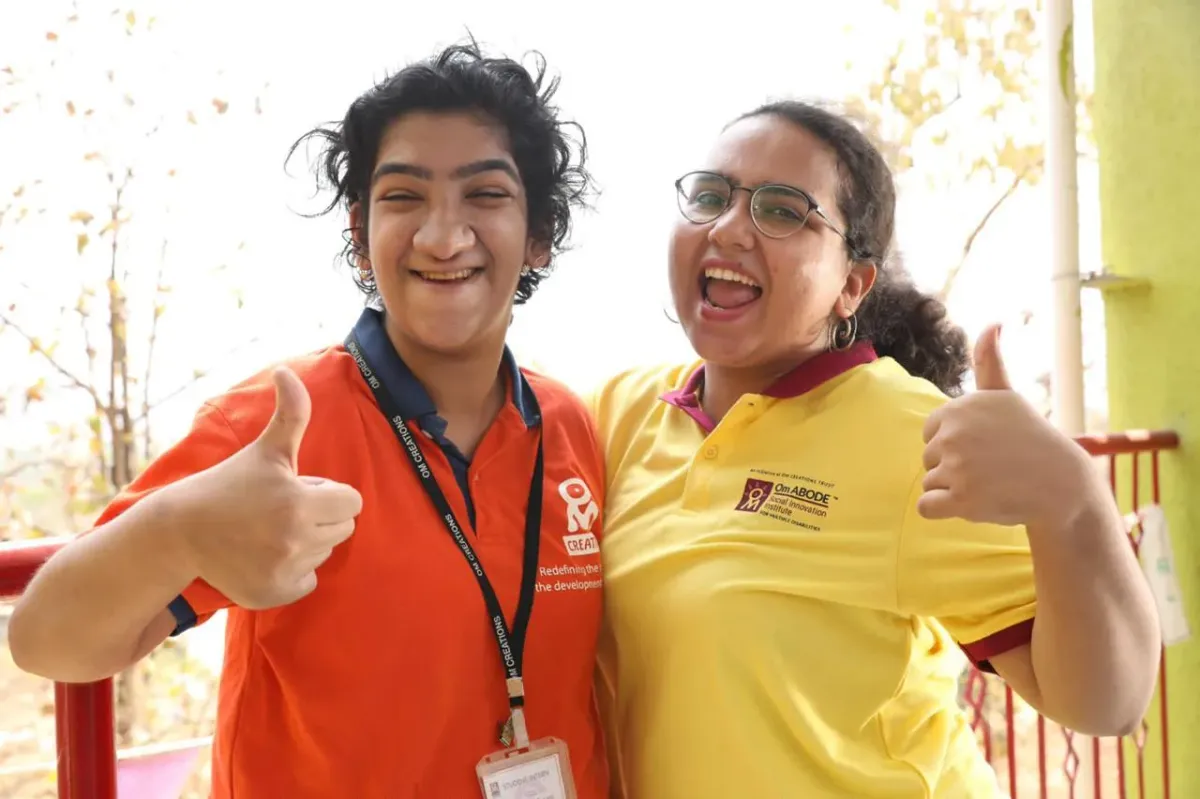
Bipin acknowledges that changing perceptions about NGO-made products requires a "radical approach." He envisions people touching a necklace made by a trafficking survivor, or a bag crafted by abandoned women, or seeing a painting by a transgender artist. Because some hugs, it turns out, are best delivered in person.