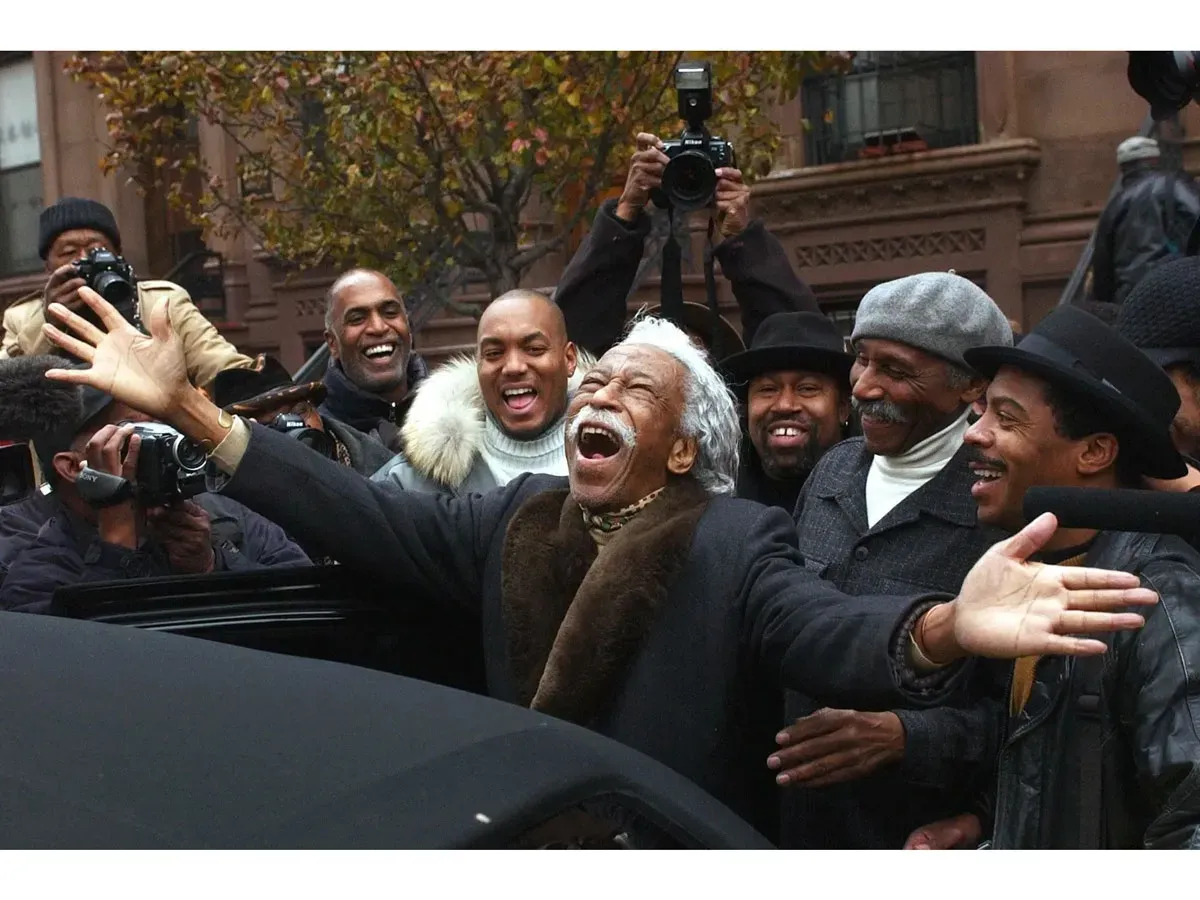
Gordon Parks died 20 years ago this year. He was a photographer, filmmaker, and writer who documented the segregated South, the civil rights movement, and the weight of racism on African American life—work that appeared in Life magazine and changed how America saw itself. The Gordon Parks Foundation, founded the same year he died, has spent two decades doing something harder than preserving his archive: proving that his work belongs in art museums, not just history books.
"In the early days, there was not much of a market for Gordon," says Peter W. Kunhardt Jr., the foundation's executive director. "It's now a whole reversal." That shift—from photojournalist to artist, from Life magazine to gallery walls—required sustained, deliberate work. It required the foundation to partner with museums, publish new editions of his work, and fund the next generation of artists working in his spirit.
This year, the foundation is marking the milestone with three major exhibitions and a newly expanded edition of Parks' "A Harlem Family" series, originally published in Life in 1968. The new book includes unpublished texts and essays by writers like Cord Jefferson and curator Thelma Golden.
We're a new kind of news feed.
Regular news is designed to drain you. We're a non-profit built to restore you. Every story we publish is scored for impact, progress, and hope.
Start Your News Detox
The Exhibitions
Bryan Stevenson, founder of the Equal Justice Initiative, is curating "We Shall Not Be Moved" at Alison Jacques Gallery. The show brings together iconic and rarely seen work by Parks, framed around what Stevenson calls "the struggle, resilience and constant striving of Black Americans."
Photographer Dawoud Bey is curating "The South in Color" at Jackson Fine Art, focusing on Parks' 1956 "Segregation Story" series. There's a specific reason for this focus: Parks shot in color, but his work was often reproduced in black and white. Seeing it as he intended—in full color—changes what you see.
A third exhibition at Jack Shainman Gallery this fall will gather some of Parks' best-known images alongside reflections from people connected to his work: Lonnie Ali (Muhammad Ali's widow), Qubilah Shabazz (Malcolm X's daughter and Parks' goddaughter), and descendants of people Parks photographed.

Throughout the year, the foundation's gallery in Pleasantville, New York will also show work by past fellows—artists like Devin Allen and Derek Fordjour—and announce the 2026 recipients of the Gordon Parks Foundation Legacy Acquisition Fund.
What's notable is how the foundation has evolved. It started as a single mission: get Gordon Parks recognized as an artist. It's become something larger—a platform for contemporary photographers, writers, and filmmakers working in the tradition Parks established. "This foundation was designed to preserve and promote Gordon's legacy," Kunhardt says, "but it's become an umbrella to support art and contemporary practices." In other words, the work continues.