Harvard just decided to put its money where its very old, very hallowed mouth is. The institution announced a cool $1.05 million grant to a brand-new consortium of 15 Historically Black Colleges and Universities (HBCUs), all with one goal: to rocket their research game into the stratosphere.
This isn't just about writing a check. The money is going to the Association of Historically Black Colleges and Universities Research Institutions (AHRI), a group designed to boost these schools' research facilities and give them the technical know-how to reach the coveted R1 status. That's the highest research designation a U.S. university can get, basically a gold star for brainpower and innovation. Harvard's own Office of the Vice Provost for Research will be lending a hand, because apparently that's where we are now.

Sara Naomi Bleich, Harvard's vice provost for special projects, summed it up nicely, saying the grant shows Harvard's "strong commitment" to working with HBCUs. Which, if you think about it, is both impressive and slightly terrifying given Harvard's history. But hey, progress is progress.
We're a new kind of news feed.
Regular news is designed to drain you. We're a non-profit built to restore you. Every story we publish is scored for impact, progress, and hope.
Start Your News DetoxThe Quest for R1 Status
Currently, only one HBCU, Howard University, holds that elite R1 status. And it's also the only AHRI member to have it. This grant aims to change that, strengthening ties between Harvard and these institutions while also helping HBCUs attract more top-tier researchers and the funding that comes with a higher research classification.
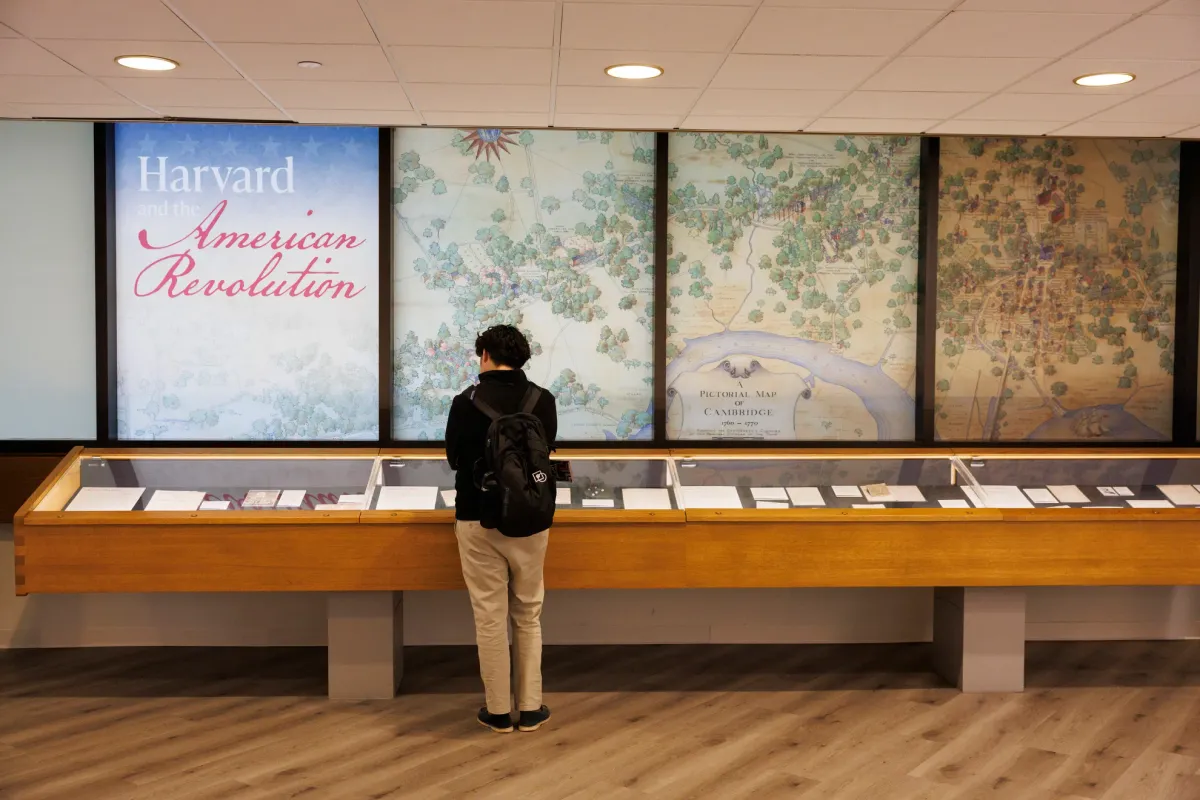
This whole initiative actually sprung from a recommendation in Harvard's 2022 Report on the Legacy of Slavery, which urged the university to forge lasting connections with HBCUs. So, this isn't just a random act of generosity; it's a very deliberate step.

Tomikia P. LeGrande, president of Prairie View A&M University and AHRI's vice chair, pointed out that the 15 universities in AHRI already snag 50% of all federal research funding given to HBCUs. Let that satisfying number sink in. She sees AHRI as a way to pool these existing strengths, speed up discoveries, and make HBCUs central to the future of research.
Ruth Simmons, Harvard's senior adviser on HBCU engagement, called AHRI a "new chapter" for HBCU research, especially since it encourages institutions that often worked alone to now collaborate. Because, as it turns out, working together can sometimes be more effective than, well, not.
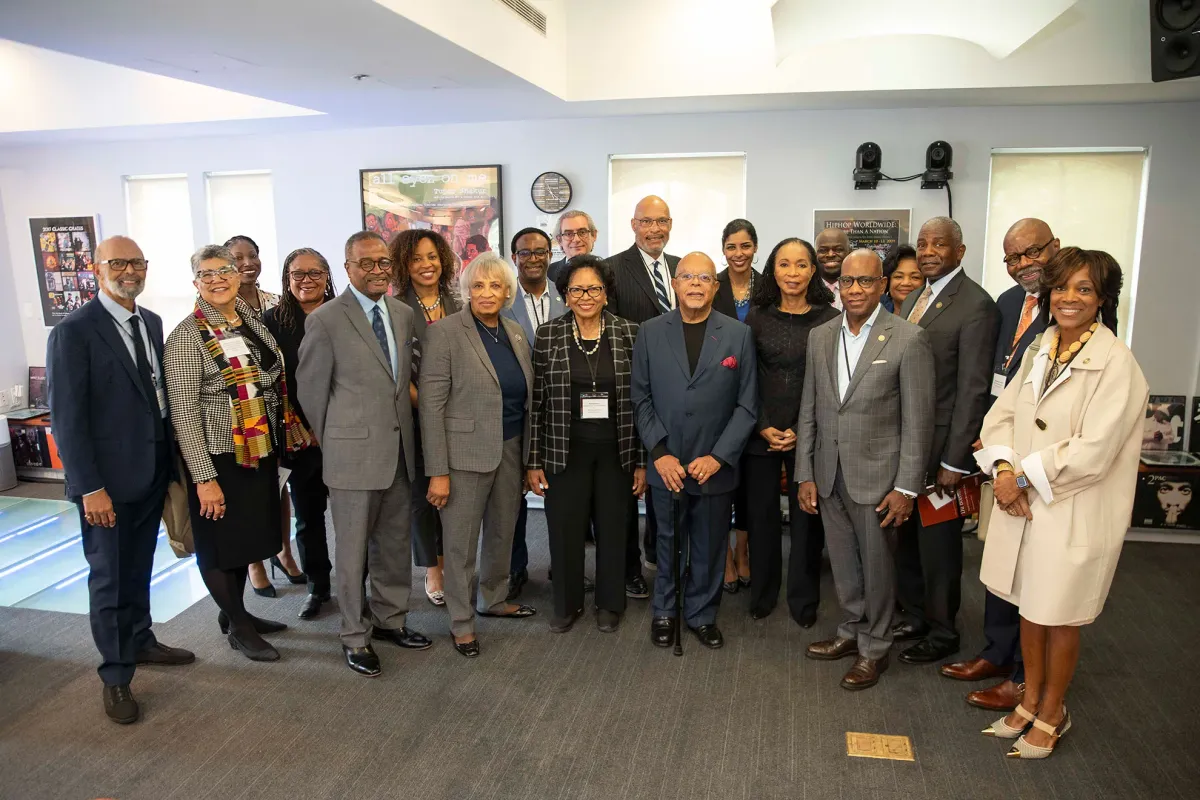
Harvard's Office for Sponsored Programs (OSP) is also stepping in with technical support, guiding AHRI members on everything from setting up research administration to navigating compliance. They'll even host HBCU staff at Harvard. AHRI officially launched in April at Howard University, complete with a national press conference and a symposium called "Expanding the Research Mission of HBCUs."

Beyond this grant, Harvard's Legacy of Slavery Initiative also backs other HBCU programs, including leadership seminars for new presidents, a digital library trust, and even summer internships for undergrads. Because apparently, one grant is just the beginning of making amends and building a better future.