Once upon a time, an Oklahoma science teacher showed her students a cotton plant. They then, quite seriously, asked if she’d glued cotton balls to a stick. This wasn't in some concrete jungle, mind you; these were kids in a rural area, surrounded by farms. It turns out, we've drifted a bit from our agricultural roots.
Back when the U.S. was just getting started, about 80% of the population was knee-deep in soil, working on farms. Today? Less than 2%. What was once a daily part of life has become, for many, just another career path. So, how do you bridge that gap? Apparently, with a trowel and some seeds.
The Dirt on Why Gardens Work
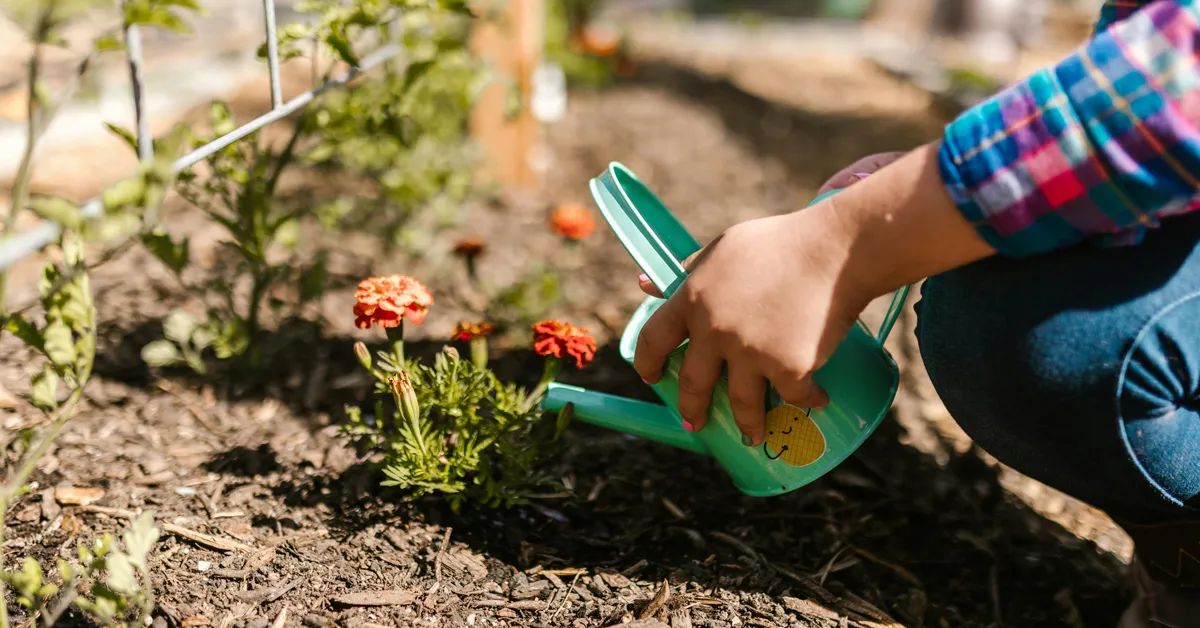
That Oklahoma teacher, who also happened to be an agricultural extension specialist, quickly realized gardens are basically living, breathing textbooks. They're not just for growing tomatoes; they're for growing minds, helping students connect with where their food actually comes from.
We're a new kind of news feed.
Regular news is designed to drain you. We're a non-profit built to restore you. Every story we publish is scored for impact, progress, and hope.
Start Your News DetoxAnd the benefits sprout far beyond basic botany. For the younger crowd, gardening sharpens hand-eye coordination – a skill that quietly boosts handwriting, math, and reading. Plus, it gets them moving. Imagine: kids in a typical classroom spend about 84% of their time sitting. In a garden? That number plummets to 15%. Let that satisfying number sink in.
Turns out, hands-on learning isn't just a buzzword; it's a brain-booster. When kids get to dig in, literally, they engage more parts of their brain, leading to better understanding and retention. It even sparks their natural curiosity, making them want to learn. One study found that giving kids more freedom in the garden actually made them feel more positive about school itself. And yes, they're more active outside of school hours, too.
Working in a garden is like a sneaky science experiment. Water, temperature, sun – all variables to mess with. Students learn science literacy and develop a more positive outlook on science and the environment. It's science in the wild, with dirt under their fingernails.
Beyond the academic, gardens cultivate life skills: teamwork, patience (because plants don't rush), self-confidence, and responsibility. Oh, and a crucial bonus: kids who grow veggies are way more likely to eat veggies. Because nothing tastes quite as good as something you wrestled from the earth yourself.
Weeding Out the Worries
Now, setting up a school garden isn't always a walk in the park. Teachers often cite lack of time and money, especially with the relentless focus on test scores. And not every teacher feels like a seasoned horticulturist, which is fair. Gardens don't need to be Chelsea Flower Show-worthy, but they do require some resources and space, which can be an issue when playground square footage is sacred.
Then there's the dreaded "messiness" factor. Administrators, bless their hearts, sometimes see weeds, imperfect rows, and summer neglect as a problem. But here's the kicker: that "messiness" is precisely where the learning happens. Students learn by experimenting, by seeing what works and what doesn't. If adults swoop in and tidy up every mistake, kids miss the crucial lesson of cause and effect.
Ultimately, a school garden isn't just about growing kale. It's about cultivating an appreciation for farmers, understanding our food systems, and making smarter choices. And let's be honest, that garden-grown tomato? Pure magic.