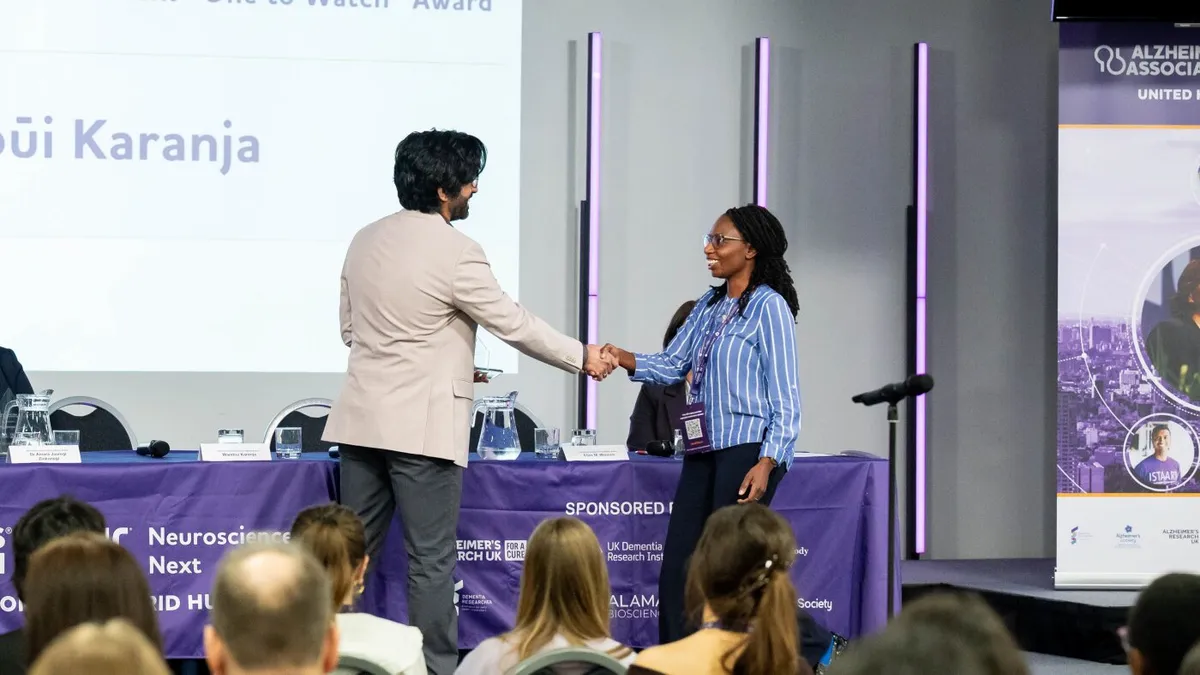
Wambūi Karanja was just 14 when her dad, a vibrant teacher in Kenya, started losing his memories. He was diagnosed with early-onset dementia. It changed everything for her family.
Now 32, Karanja is flipping that tough experience into something truly powerful. She's a project manager at Nairobi's Aga Khan University, training families to care for loved ones with dementia. The Alzheimer's Association even named her a "One to Watch" — a pretty big deal.
Tackling Old Myths
In Kenya, a lot of old ideas about dementia still float around. Some people think it's just part of getting old, so they don't seek help. Others believe it's caused by spirits or even witchcraft. Karanja's own mom was accused of bewitching her dad because she came from a different community. Wild, right?
We're a new kind of news feed.
Regular news is designed to drain you. We're a non-profit built to restore you. Every story we publish is scored for impact, progress, and hope.
Start Your News DetoxKaranja tells families to cut through all that. Just explain it simply: dementia comes from changes in the brain. That single, clear message helps people grasp the medical truth.
Getting a diagnosis in Kenya is seriously tough. There are only about 30 brain specialists for over 55 million people. Most families in the region never get a formal diagnosis, unless they can afford private care.
Karanja says accepting the diagnosis is key. Families often take out huge loans, traveling far and wide, hoping for a cure that just isn't there. She encourages them to slow down, accept the reality, and prepare for what's ahead. Understanding that dementia is a journey of ever-changing moments — happy one second, confused the next — helps caregivers manage better.
Supporting the Caregivers
Here's the thing most people miss: caregivers need care too. If they burn out, they can't help anyone. Karanja urges them to find time for themselves, even small breaks.
Her own mother felt like she was the only one who could care for her dad. But once they found a good paid helper, her mom started going to church again, and her whole outlook improved. Finding that help can be a challenge, just like anywhere else, and sometimes communities step in.
Even though her dad has been bedridden for three years and no longer recognizes her, Karanja sees the good. She finds joy in knowing he's well-cared for and living with dignity. It's a reminder that even in tough situations, kindness and understanding can make a huge difference.