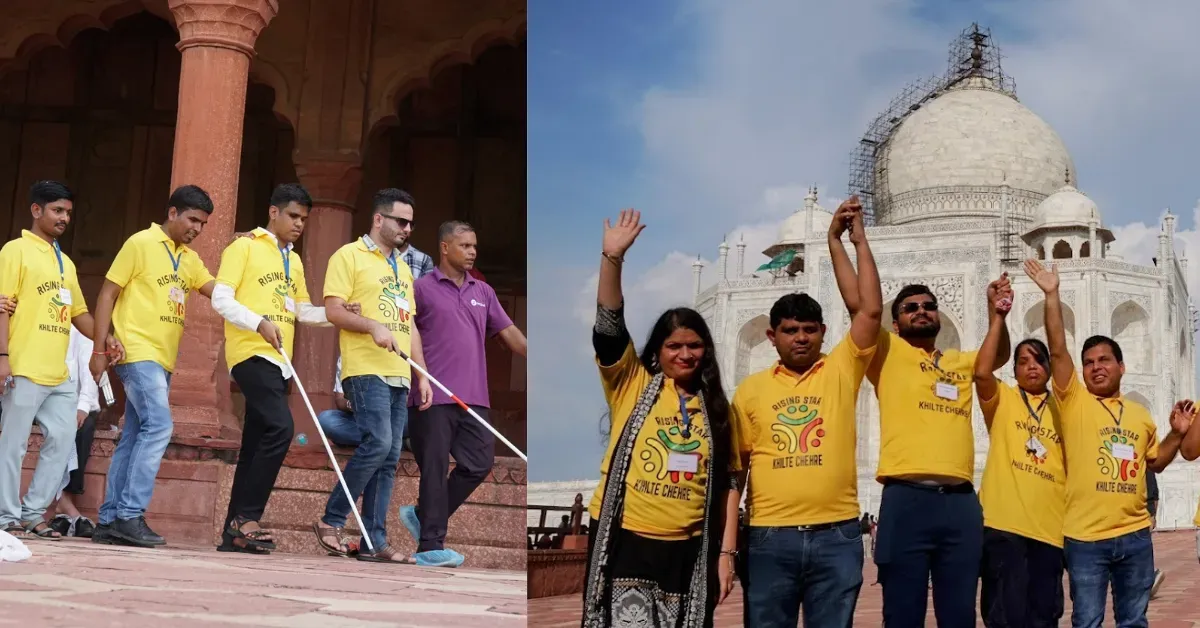
Imagine loving travel, but then losing your sight and feeling like the world shrinks. That's what happened to Dr. Hitesh Prasad. He thought his adventuring days were over.
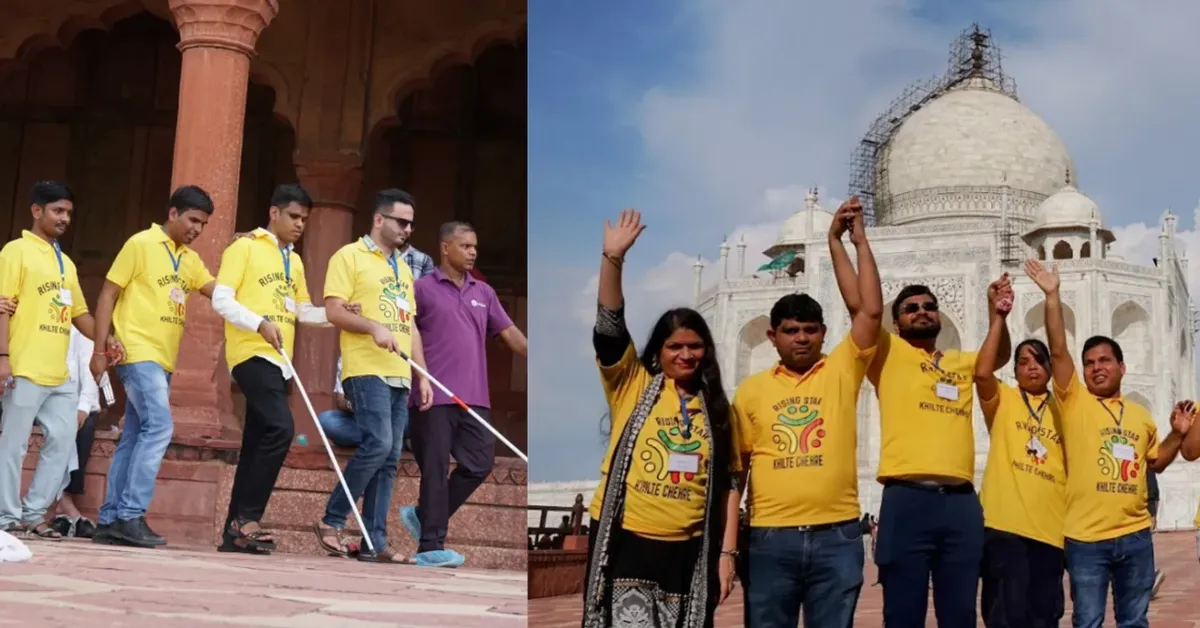
Then he found Rising Star Khilte Chehre (RSKC), a group that’s basically unlocking the world for visually impaired travelers. They're not just helping people get around; they're showing that travel is about way more than just what you see.
The “Why Not?” Moment
It all started with Amit Jain, a travel industry vet. In 2019, he met some visually impaired people who told him how much they wanted to travel but felt held back. That conversation stuck with him.
We're a new kind of news feed.
Regular news is designed to drain you. We're a non-profit built to restore you. Every story we publish is scored for impact, progress, and hope.
Start Your News DetoxJain realized that if travel meant freedom for some, it should be for everyone. So, he personally funded a trip for a group of blind youngsters to Pangot in Uttarakhand. Later that year, RSKC officially launched.
Some people were skeptical, asking, "What's the difference between Dubai and Delhi for blind people?" Jain is out to prove them wrong. And he is.
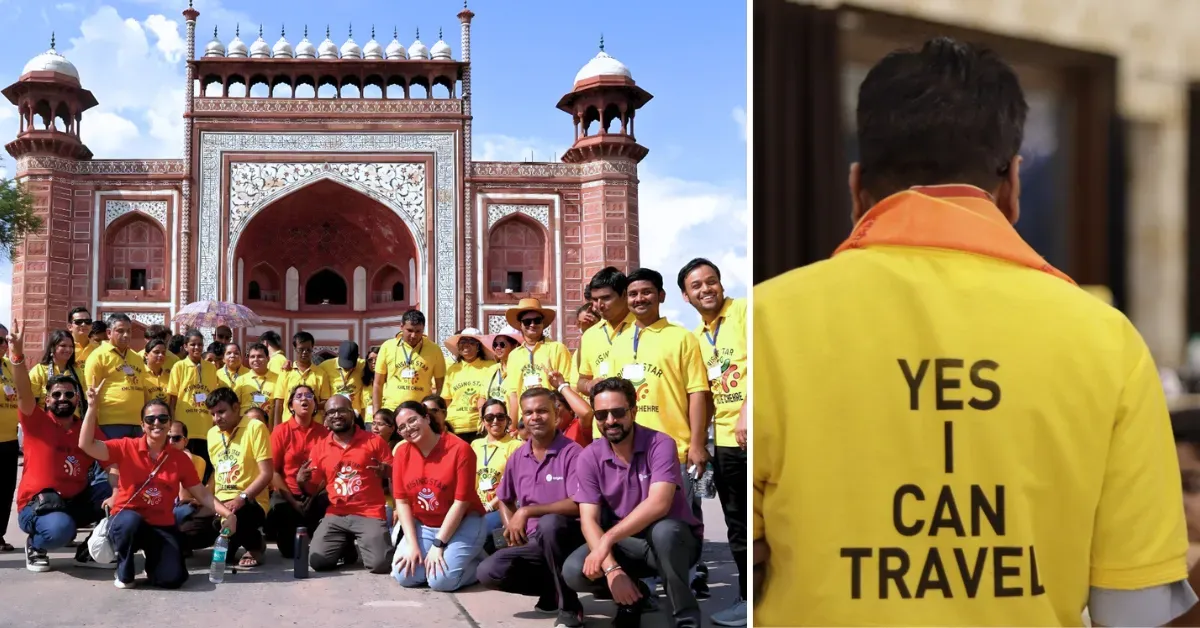
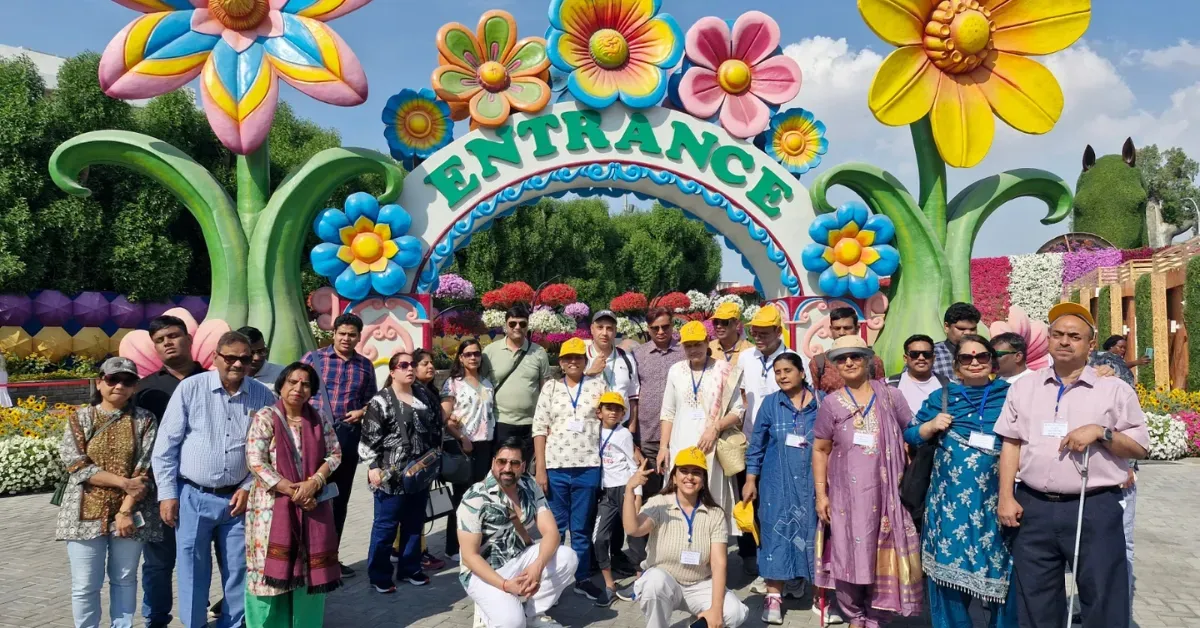
Since 2019, RSKC has helped over 1,700 visually impaired people explore 16 destinations. We're talking Dubai, Rishikesh, Goa, and even Thailand. Seriously cool, right?
About a third of their travelers come back for more trips. That tells you something. RSKC now has 500 trained volunteers across India and partner countries. For 2026, they're planning five international trips and ten journeys across India, looking at places like Bhutan and Sri Lanka.
Travel as Empowerment
In India, people with disabilities often face tough challenges, including isolation. RSKC uses travel to fight that. They keep domestic trip fees super low – about Rs 500 to Rs 700. This isn't charity; it's about making sure travelers feel respected and committed.
For international trips, participants pay about 60% of the cost, and RSKC covers the rest. The recent Thailand trip, for example, cost participants just Rs 24,000 – way less than typical prices.
RSKC encourages travelers to be independent, interact with strangers, and build networks. It’s about challenging yourself in new places while feeling totally safe. Dr. Hitesh called his Thailand journey "transformative." He learned to navigate new hotel rooms and not rely on volunteers for every little thing. He said it was less about tourism and more about personal growth.
At viewpoints, volunteers described colors, distances, and buildings. The group even visited a blind school in Bangkok to compare education systems. They experienced the calm of the Golden Buddha Temple through sounds and atmosphere. And yes, a cruise dinner ended with joyful dancing!
RSKC calls its volunteers "co-travelers," not helpers. They're photographers, guides, and even comedians. They aim for a 4:1 traveler-to-volunteer ratio, dropping to 1:1 in crowded spots.
Designing for All Senses
Lovely Sarkar, a senior programs manager, believes India is perfect for inclusive travel because it's already a sensory country. Think tactile heritage, lively streets, and rich food experiences. India doesn't need to invent blind tourism; it just needs to design for the experience it already offers.
Dr. Hitesh explains that while modern medicine talks about five senses, Ayurveda describes eleven, including the mind. For visually impaired people, touch, sound, smell, and intuition become stronger. Travel becomes a sensory experience way beyond just sight.
RSKC is now creating trips focused on storytelling, tactile activities, and slower, more immersive experiences. They plan everything meticulously, from checking ground-floor rooms to mapping nearby hospitals. They even got special permission for fare waivers during an Agra trip with 52 blind travelers.
Dr. Hitesh came home from Thailand with more than a passport stamp. He gained the certainty that movement, leadership, and independence come from opportunity, not just sight. When assumptions are replaced by access, courage can take you anywhere.