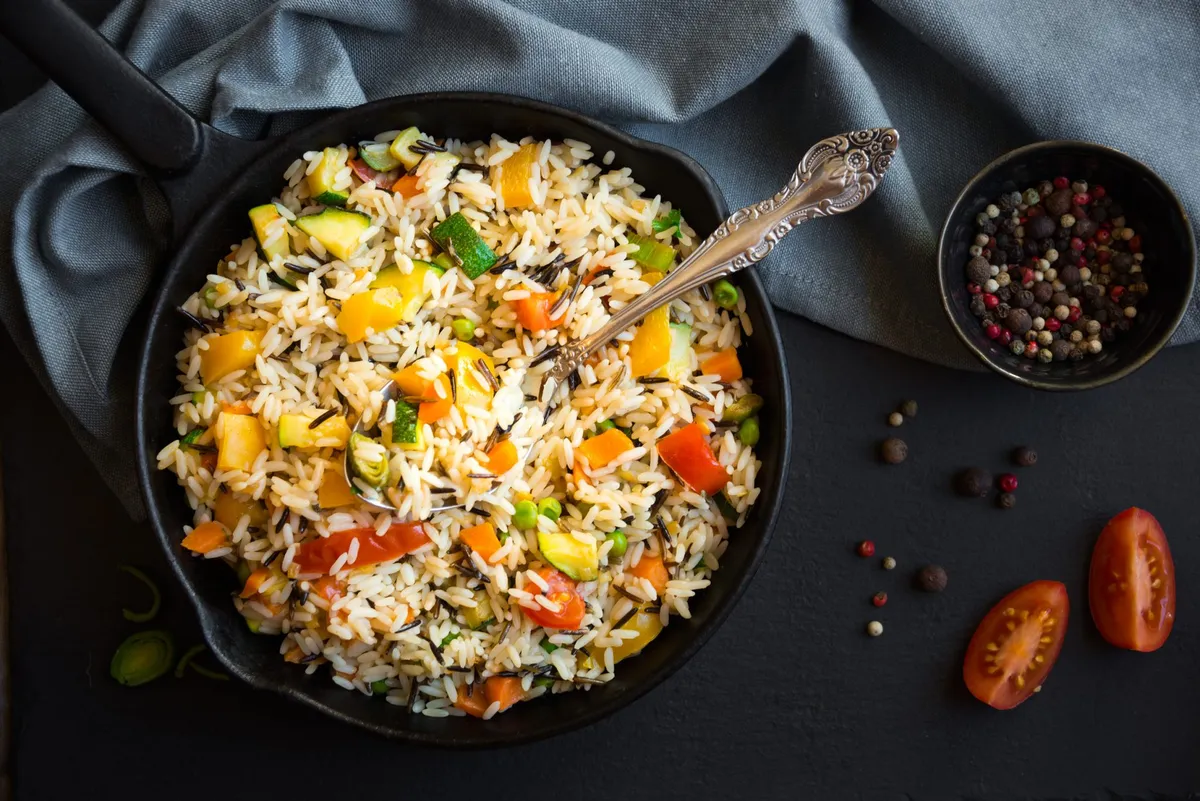
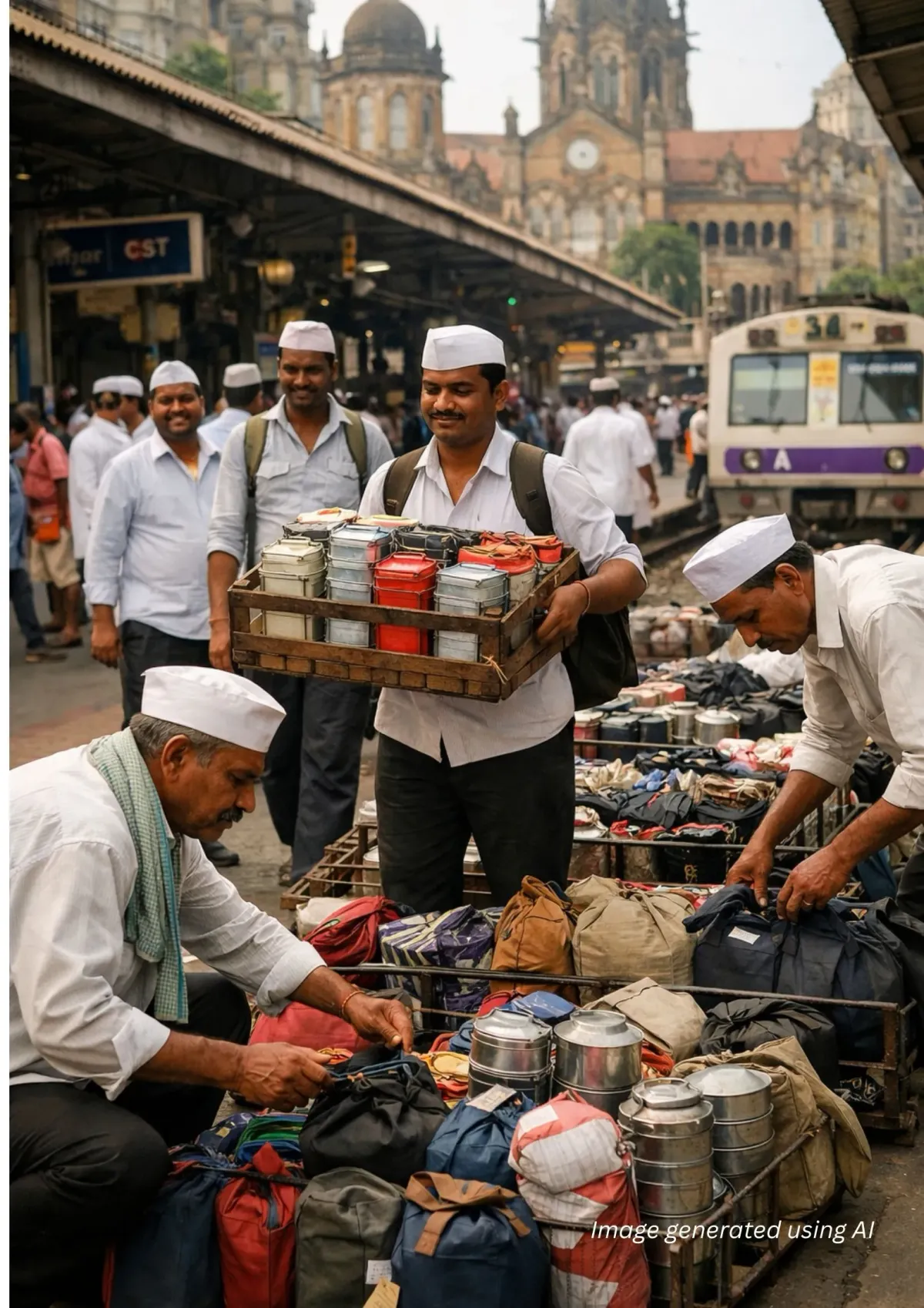
For over a century, Mumbai's Dabbawalas have delivered home-cooked meals across the city every day. This network connects thousands of homes to offices with a system built on trust and precision.
About 5,000 Dabbawalas, known for their white kurta-pyjamas and Gandhi caps, move through Mumbai with remarkable discipline. They deliver nearly 200,000 lunch boxes daily. This ensures working Mumbaikars can enjoy fresh, home-cooked food at lunchtime.
How the Dabbawala System Began
What is now a successful business started in the late 1800s. A Parsi banker simply wanted to eat home-cooked food at work. He hired the first Dabbawala to carry his lunch from home to his office. Soon, his colleagues and others liked the idea, and demand quickly grew.
We're a new kind of news feed.
Regular news is designed to drain you. We're a non-profit built to restore you. Every story we publish is scored for impact, progress, and hope.
Start Your News DetoxIn the early days, the service was informal. But Mahadeo Havaji Bachche saw its potential. He transformed the idea into a structured service, creating a team-based delivery system with about 100 Dabbawalas.

As Mumbai grew into a bustling city, the need for reliable lunch delivery also increased. To manage this complex network, a unique coding system was created. Initially, it used simple color markings on the lunch boxes.
Today, Mumbai spans three busy suburban train routes. The system has evolved to use alphanumeric codes that guide each lunch box's journey.
A Model of Efficiency
A 2010 study by the Harvard Business School gave the Dabbawala system a Six Sigma rating. This means they make fewer than 3.4 mistakes per million transactions.

Mumbai's Dabbawalas continue to show that a simple idea, combined with discipline and teamwork, can power one of the world's most reliable delivery systems.