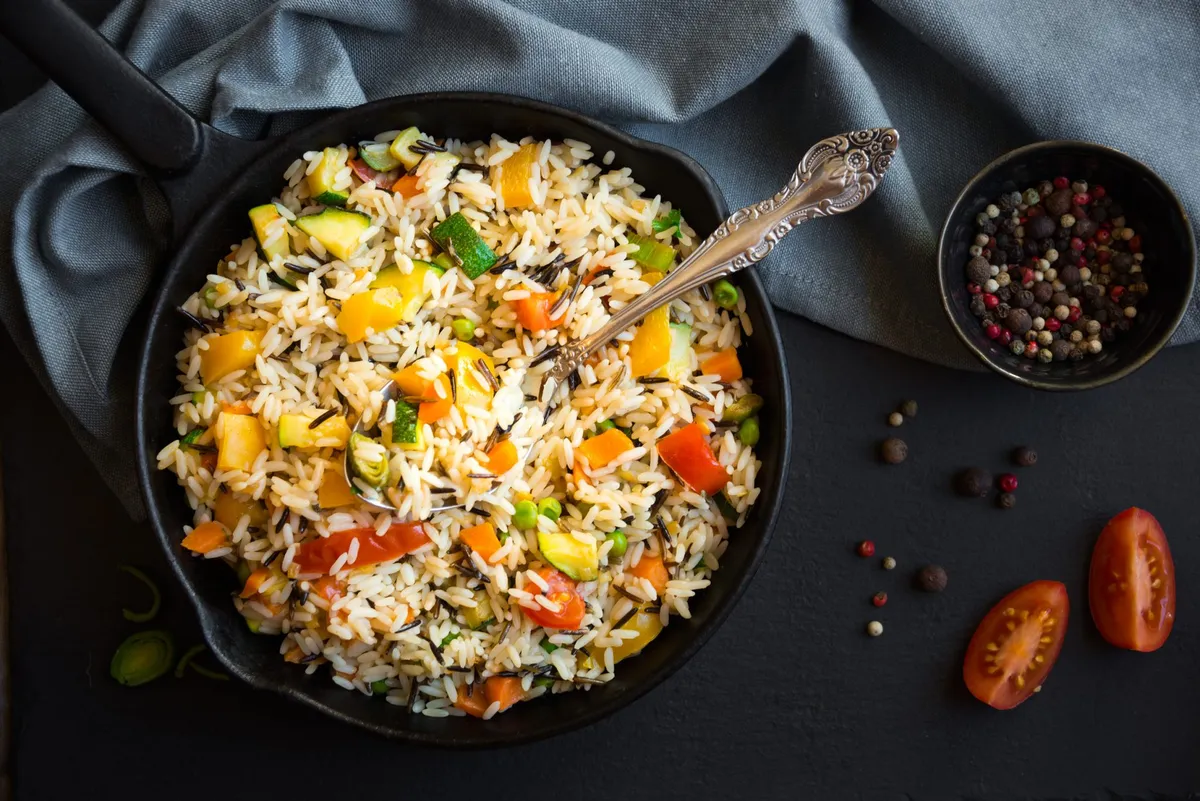
For decades, people have debated whether cutting carbs or reducing fat is better for heart health. A new, large study suggests that food quality matters more than either approach.
This research tracked nearly 200,000 adults in the U.S. for about 30 years. It found that the most important factor for heart health is the quality of the foods people eat. This means whole, minimally processed foods rich in nutrients are key.
A 30-Year Look at Diet and Heart Disease
Public health scientists at Harvard University led this long-term study. They followed almost 200,000 healthcare workers, both men and women, for about 30 years. Participants regularly shared what they ate. This allowed researchers to see how different eating styles affected their hearts over time.
We're a new kind of news feed.
Regular news is designed to drain you. We're a non-profit built to restore you. Every story we publish is scored for impact, progress, and hope.
Start Your News DetoxThe study didn't just look at low-carb or low-fat diets. Instead, researchers focused on the types of foods people ate within those diets.
They found a clear pattern: diets with higher-quality foods led to better heart health markers. These diets also lowered the risk of coronary heart disease.
People with healthier eating patterns ate more vegetables, fruits, whole grains, and healthy fats. They also limited processed foods and too much animal fat. Diets that relied on processed foods or lacked nutrients did not offer the same protection. This was true even if they technically fit a low-carb or low-fat definition.
Zhiyuan Wu, a Harvard epidemiologist who led the study, noted that focusing only on nutrients without considering food quality might not help health.
Healthier Diets Showed Real Benefits
The study showed that people who ate higher-quality diets had better biological markers for heart health.
These individuals had higher levels of "good" cholesterol (high-density lipoprotein). They also had lower levels of fats and inflammation in their bodies. Both of these are linked to heart disease risk.
Crucially, these participants had a much lower risk of developing coronary heart disease. This is the main cause of heart attacks.
Wu explained that healthy versions of both low-carb and low-fat diets might help the body in similar ways. He suggested that focusing on overall diet quality gives people flexibility. They can choose eating patterns they like while still supporting their heart health.
Food Quality Over Strict Diet Rules
These findings challenge the old idea that nutrition advice must be about choosing between competing diet philosophies.
Instead of strict limits on carbs or fats, the research points to a more flexible approach. This approach focuses on foods packed with nutrients.
Harlan Krumholz, a cardiologist at Yale University, said the study helps shift the conversation. He is also the editor-in-chief of the Journal of the American College of Cardiology. He noted that the study moves beyond the debate over low-carb versus low-fat diets.
Krumholz added that food quality matters most for heart health. Emphasizing plant-based foods, whole grains, and healthy fats leads to better heart outcomes, regardless of whether a diet is lower in carbohydrates or fat.
Understanding the Study's Details
Like many long-term nutrition studies, this research relied on participants reporting their own diets. Since the study group was made up of health professionals, they might have been more aware of health or had better access to healthcare.
However, the study's large size and long duration offer strong insights. Researchers looked at over 5.2 million person-years of data. This makes it one of the most extensive studies on diet and heart health.
The results also match other research. This research links whole foods, plant-based ingredients, and minimally processed diets to better health.
What This Means for Everyday Eating
For people wanting to support their heart health, the message is simple. Instead of just counting carbs or fat grams, focus on building meals around vegetables, fruits, whole grains, healthy fats, and minimally processed foods. This seems to offer the best long-term benefits.
This approach allows for different eating styles. The main idea is clear: the quality of the food on your plate is more important than strictly following a specific diet label.
Deep Dive & References
Effect of low-carbohydrate and low-fat diets on metabolomic indices and coronary heart disease in U.S. individuals - Journal of the American College of Cardiology, 2025