After 60, your ability to squeeze and stand up might tell you more about your future than any treadmill test. A University at Buffalo study of over 5,000 women ages 63 to 99 found that two simple strength checks—a handgrip test and how fast you can rise from a chair five times—were strongly linked to how long they lived.
Researchers followed these women for eight years and the pattern was clear: stronger grip and faster chair rises meant significantly lower odds of dying during that window. The connection held even after accounting for how active they were, how much they sat, their walking speed, and inflammation markers in their blood. Strength stood out as its own predictor.
The numbers are specific enough to matter. For every 15 pounds of additional grip strength, mortality risk dropped by about 12%. Shaving six seconds off your chair-rise time correlated with a 4% lower mortality rate. These aren't huge individual gains, but across a population they add up.
We're a new kind of news feed.
Regular news is designed to drain you. We're a non-profit built to restore you. Every story we publish is scored for impact, progress, and hope.
Start Your News DetoxWhy These Two Tests
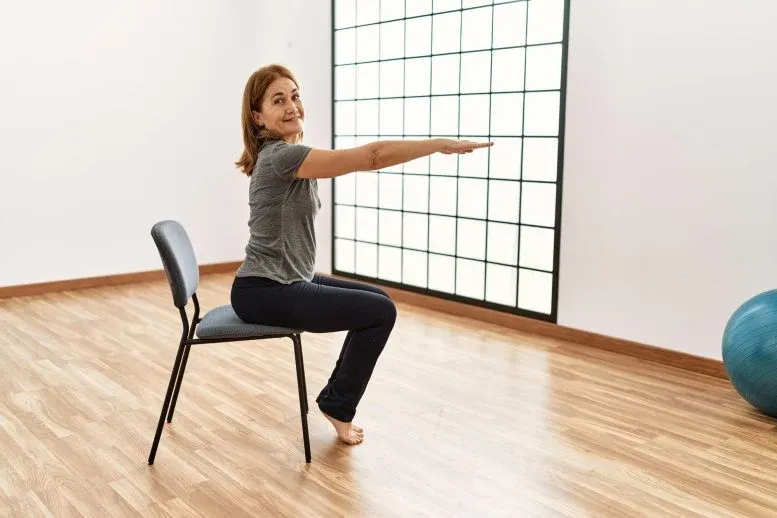
Grip strength and chair stands are already used in clinics because they're quick, cheap, and reveal something real about daily life. A firm grip reflects your overall muscle capacity. Rising from a chair tests leg strength, coordination, and your ability to push against gravity—the exact skills that keep you independent and prevent falls.
"If you don't have enough muscle strength to get up, it is going to be hard to do aerobic activities, such as walking, which is the most commonly reported recreational activity in U.S. adults ages 65 and older," says Michael LaMonte, the study's lead author. He points out that muscle strength is foundational. Without it, everything else becomes harder.
What makes this research stand out: it's the largest study so far examining how muscle strength connects to longevity in women over 60. Earlier research often missed detailed measures of physical activity, inflammation, and cardiovascular fitness. This one included all three simultaneously, making it possible to isolate strength's specific role.
The researchers also found that body size didn't explain the effect. Whether they scaled the strength measures to total weight or to lean muscle mass, the mortality benefit remained. Even women who didn't hit the standard 150 minutes of weekly moderate aerobic activity lived longer if they had greater muscle strength—a finding LaMonte calls "a major advancement" for how we talk about fitness for older adults.
The Practical Part
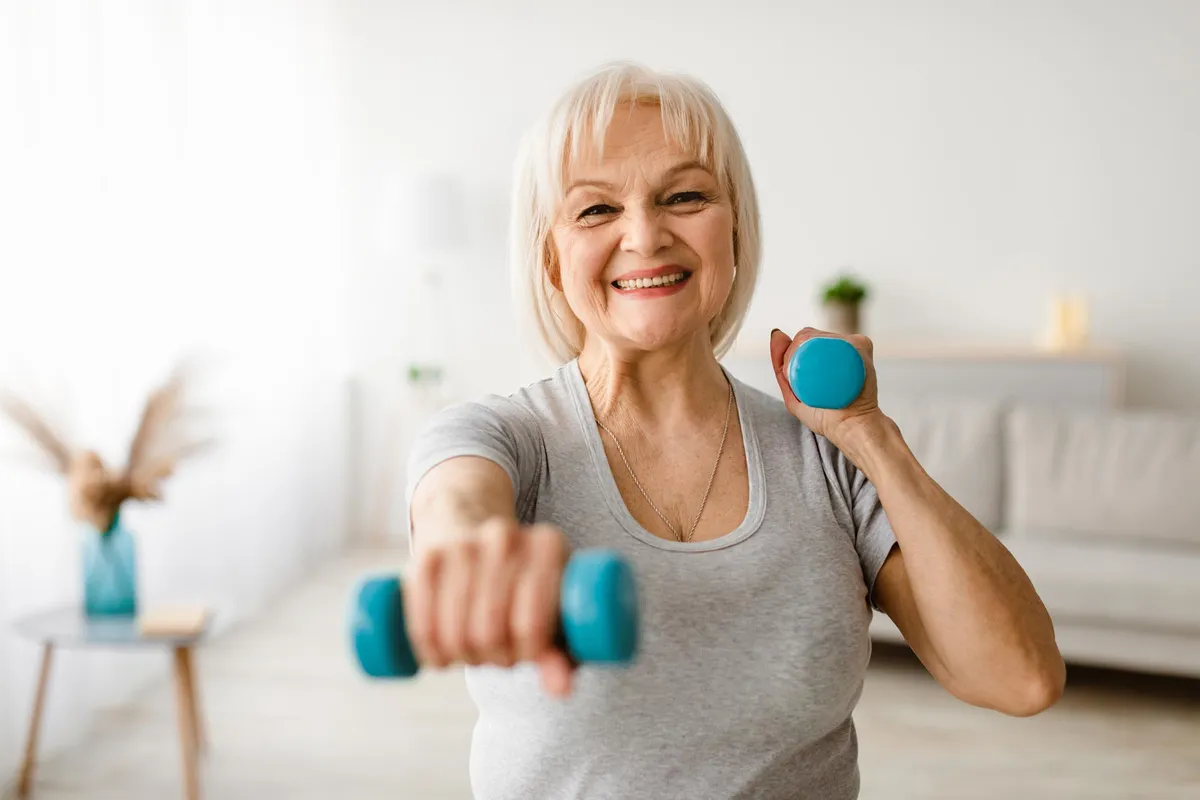
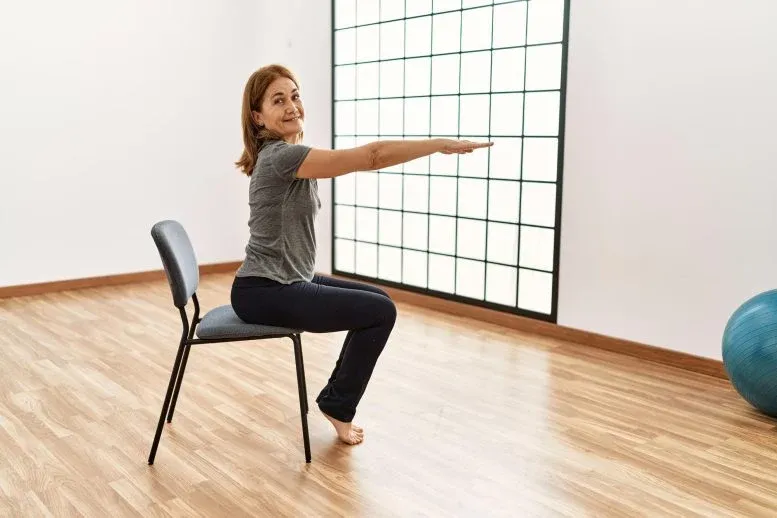
Building strength doesn't require a gym membership or expensive equipment. Traditional weights work, but so do dumbbells, machines, or bodyweight moves like modified push-ups and wall presses. LaMonte notes that soup cans and books work fine as resistance. The barrier is usually not access—it's knowing where to start safely.
That's where caution matters. Anyone with chronic pain, balance issues, or existing conditions should check with their doctor first. A physical therapist or exercise specialist can teach proper form, adjust movements to your body, and set goals that build confidence rather than risk injury.
With women over 80 being the fastest-growing age group in the U.S., monitoring and maintaining strength will reshape public health in the coming decades. It's not about lifting heavy—it's about staying able to move.