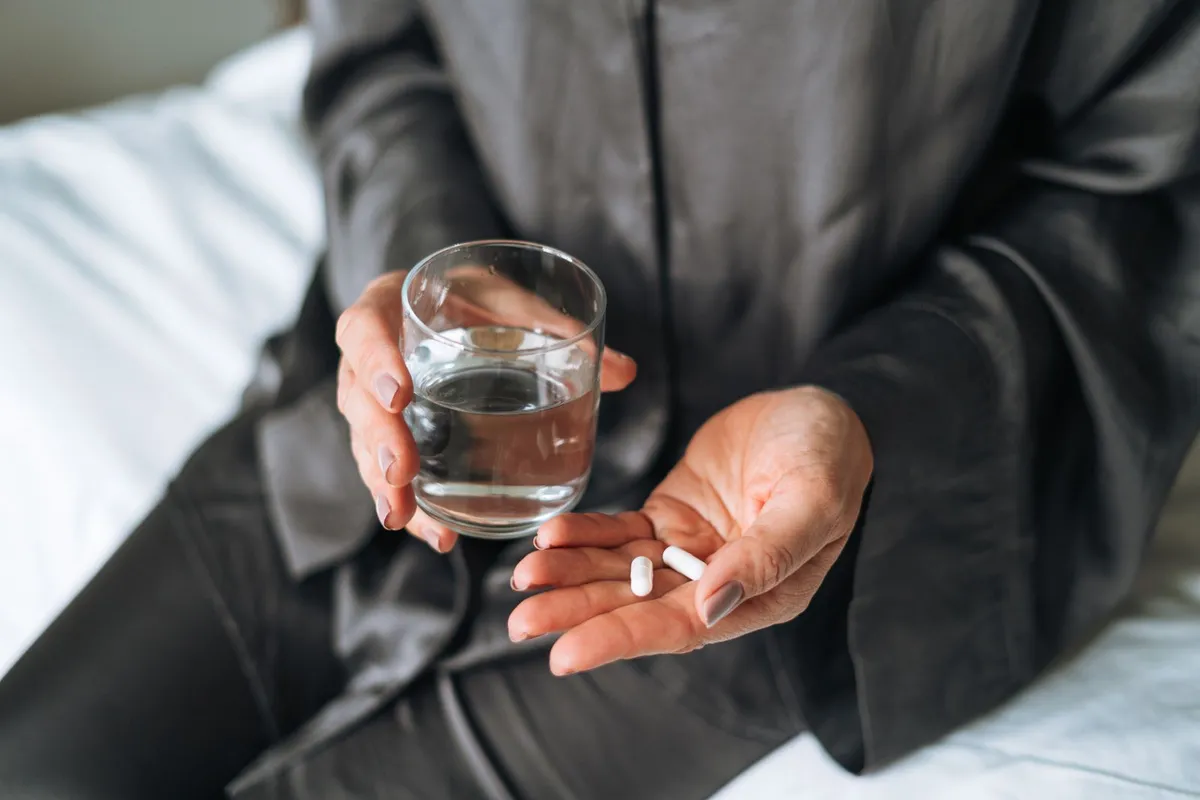
About one-third of Americans take multivitamins, but whether they actually work has been a genuine question mark. A new study of nearly 1,000 older adults suggests the answer might be yes — at least when it comes to slowing biological aging, the kind that happens inside your cells.
Researchers published their findings in Nature Medicine in March. They tracked 958 healthy people with an average age of 70 who were part of a larger study called COSMOS (Cocoa Supplement and Multivitamin Outcomes Study). Some took Centrum Silver multivitamins daily. Others took placebos. Some also took cocoa extract. The team then looked at blood samples collected at the start, after one year, and after two years.
Here's where it gets interesting: they measured something called epigenetic clocks. These aren't about time. They're biological markers that track how fast your cells are actually aging — separate from how many birthdays you've had. Think of it like the difference between a car's odometer and its engine condition.
We're a new kind of news feed.
Regular news is designed to drain you. We're a non-profit built to restore you. Every story we publish is scored for impact, progress, and hope.
Start Your News DetoxAfter two years, people taking the multivitamin showed slower cellular aging compared to those on placebo. The difference was modest but measurable: roughly a four-month reduction in biological aging. The cocoa extract didn't show the same effect.

There's a catch, though. The improvement showed up in only two of the five epigenetic clocks researchers measured, not all of them. And people whose cells were aging faster than their actual age benefited most — though nobody's entirely sure why. One researcher suggested it might come down to nutritional status, but that's still a question mark.
Even the researchers are cautious. Howard Sesso, an epidemiologist at Brigham and Women's Hospital who helped lead the study, acknowledged the real limitation: "We just don't know how to translate clinically an improvement of four months of biological aging." In other words, slower cellular aging sounds good, but it's not yet clear if it means you'll actually live longer or feel better.
Other experts pointed out that the findings are interesting but not conclusive. The study was mostly white participants, and researchers didn't track what people actually ate or how much they exercised during those two years — both things that could affect how fast cells age. The team plans to follow up to see if the changes stick around after the trial ends.
The bottom line: this is promising enough to keep watching, but not yet a reason to overhaul your supplement routine. Larger studies will need to confirm whether these cellular changes translate to real health benefits.