Imagine fleeing your home, then finding out your story resonated with thousands halfway across the world. That's exactly what happened to Afghan journalist Khadija Haidary. Her words, shared from hiding, sparked a quiet but powerful movement in China, leading to a book deal and a new life.
After the Taliban took control of Afghanistan again in 2021, Haidary started sending emails to a Chinese journalist, Weilin Hong. Haidary shared what it was like for women: losing jobs, being unable to walk alone, and girls banned from school. These weren't just news reports; they were her life.
In China, where news is carefully controlled, these personal stories hit different. Hong published Haidary's emails on a WeChat account called "Haidary on Positive Links." The stories quickly spread, deeply moving many Chinese women readers. One reader wrote on Weibo, "Across borders and walls, human nature remains the same, and hearts are connected."
We're a new kind of news feed.
Regular news is designed to drain you. We're a non-profit built to restore you. Every story we publish is scored for impact, progress, and hope.
Start Your News DetoxFrom Emails to a Book Deal
These emails changed everything for Haidary. She realized her struggles mattered, and people cared. It gave her the courage to leave Afghanistan, settling with her family in Pakistan by late 2024.
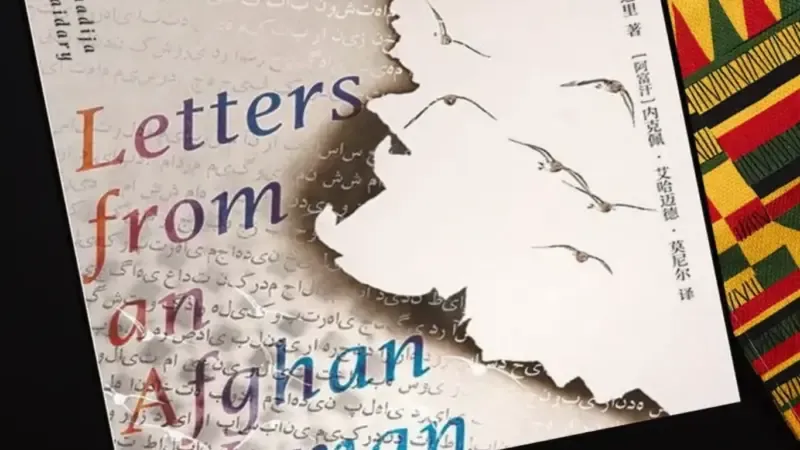
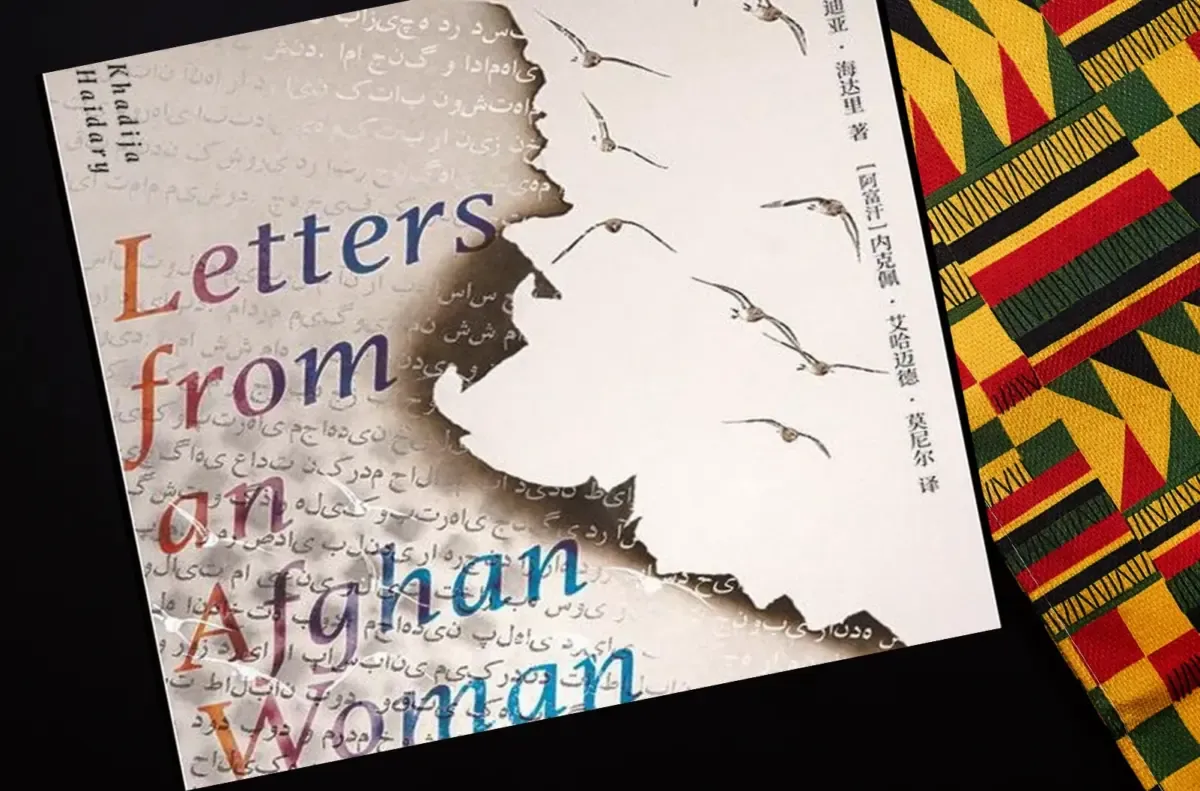
Then came the unexpected part: a Chinese publisher offered her a book deal. The advance on royalties helped her family plan a move to Canada. When "A Letter from an Afghan Woman" came out in August 2025, over 10,000 copies sold in just months. Readers promoted it online, knowing every sale helped Haidary's family find a safer home.
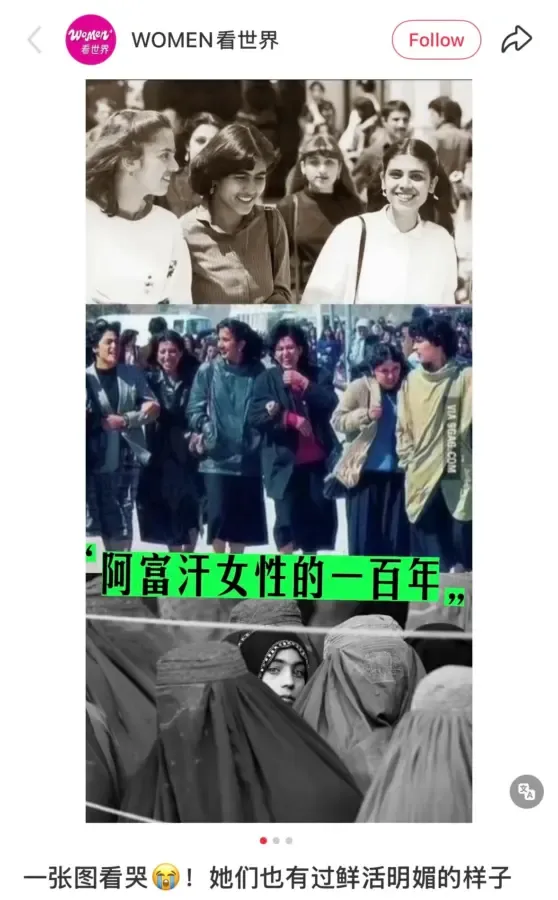
On Xiaohongshu, a platform like Instagram, a widely shared post compared old photos of free Afghan women with current ones. The caption: "They, too, once lived vivid and vibrant lives." The post explained, "To look beyond borders and prejudice, and to truly see people as they are, is in itself a form of strength."
Chinese readers saw their own struggles reflected in Haidary's words. Discussions about personal freedom and social expectations spread among students and feminist groups. Even state media noted the universal feelings of fear and the fight for freedom in Haidary's story.
Some readers took it further. One even hand-delivered the book to Haidary during a business trip to Pakistan. These weren't grand gestures or big campaigns. They were quiet, personal acts of solidarity, showing that even in a restricted environment, empathy finds a way.
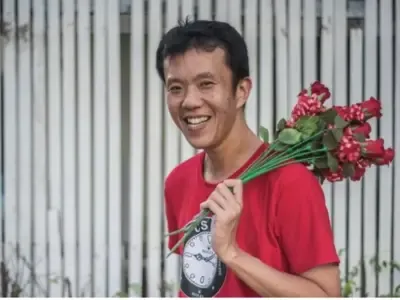
As journalist Hong Weilin put it in 2026, "As the world is becoming more conservative and xenophobic, this touching and selfless act of kindness has spread like a relay across China, and miraculously helped a woman from another country." It's a reminder that understanding others' suffering is more valuable than ever, and sometimes, simply knowing makes all the difference.