A century ago, connection was embedded in the daily fabric of neighborhoods. Women's unpaid civic labor—through churches, schools, welcome committees, informal networks—created the quiet infrastructure that made belonging routine. That system has largely dissolved, leaving us with the fallout: nearly one in three Americans now report feeling lonely weekly, and trust in neighbors has hit record lows.
Yet the appetite for change is there. More than 90% of Americans say they want to volunteer. Only about one in four actually do, mostly because opportunities feel inflexible or isolating—a task to check off, not a reason to show up.
The gap isn't about caring. It's about design.
What Connection Actually Requires
Research points to three ingredients for meaningful relationships: consistency, positivity, and vulnerability. Volunteering can create all three—but only if the experience is built for it.
We're a new kind of news feed.
Regular news is designed to drain you. We're a non-profit built to restore you. Every story we publish is scored for impact, progress, and hope.
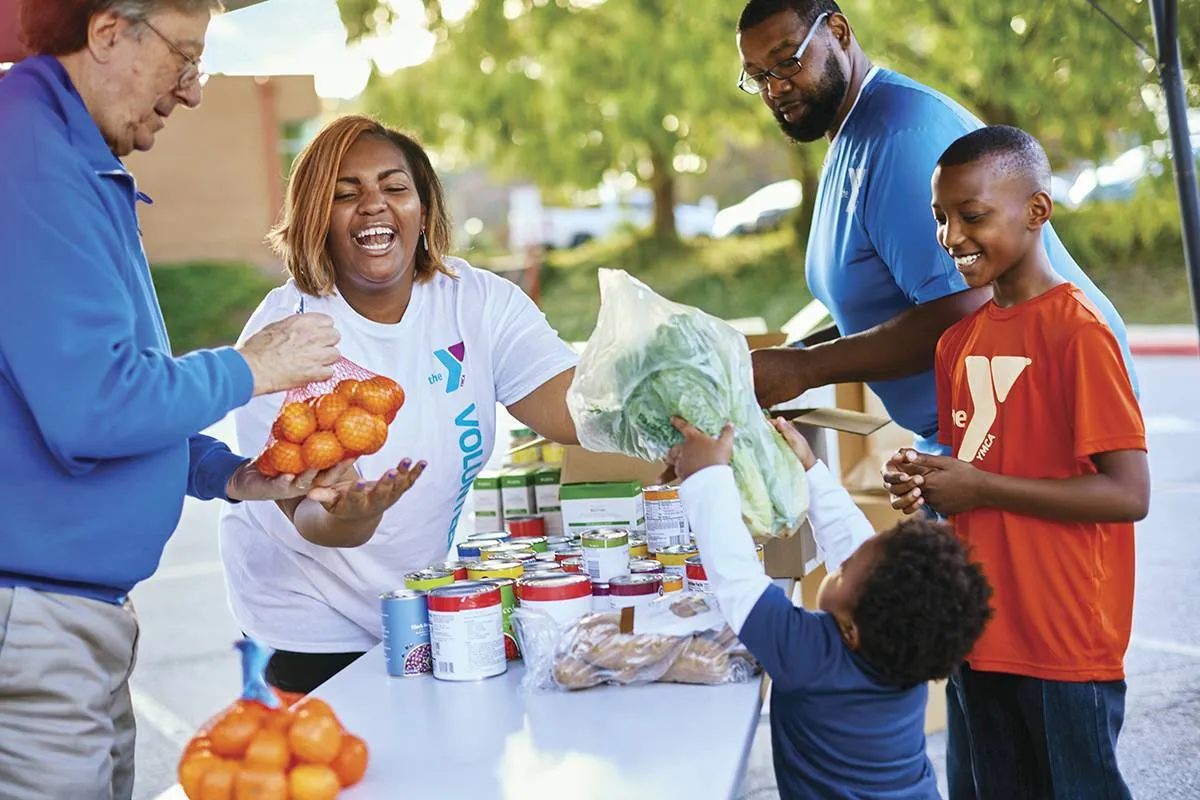
Start Your News DetoxConsider the difference between two volunteer shifts. In one, you serve food alone at a community kitchen. In another, you work in a small group, share a meal afterward, and someone asks why you showed up. Both feed people. Only the second builds trust.
Connection-centered volunteering looks like this: working in small groups where conversation can happen naturally, partnering people rather than isolating them in solo tasks, mixing ages and backgrounds intentionally, taking time to reflect together. These aren't add-ons. They're the difference between service and belonging.
When volunteering is designed this way, people return. The act stops feeling like obligation and starts feeling like home.
The Broader Picture
Loneliness, polarization, burnout, declining trust—they share a common thread. They're symptoms of disconnection in everyday life. The US Chamber of Connection's 2026 report found that more than half of Americans show patterns linked to higher vulnerability to loneliness. Only 42% have a neighbor they could count on in an emergency. Twenty-seven percent lack reliable social support.
This isn't because people stopped wanting community. It's because the structures that used to create it fell away without replacement.
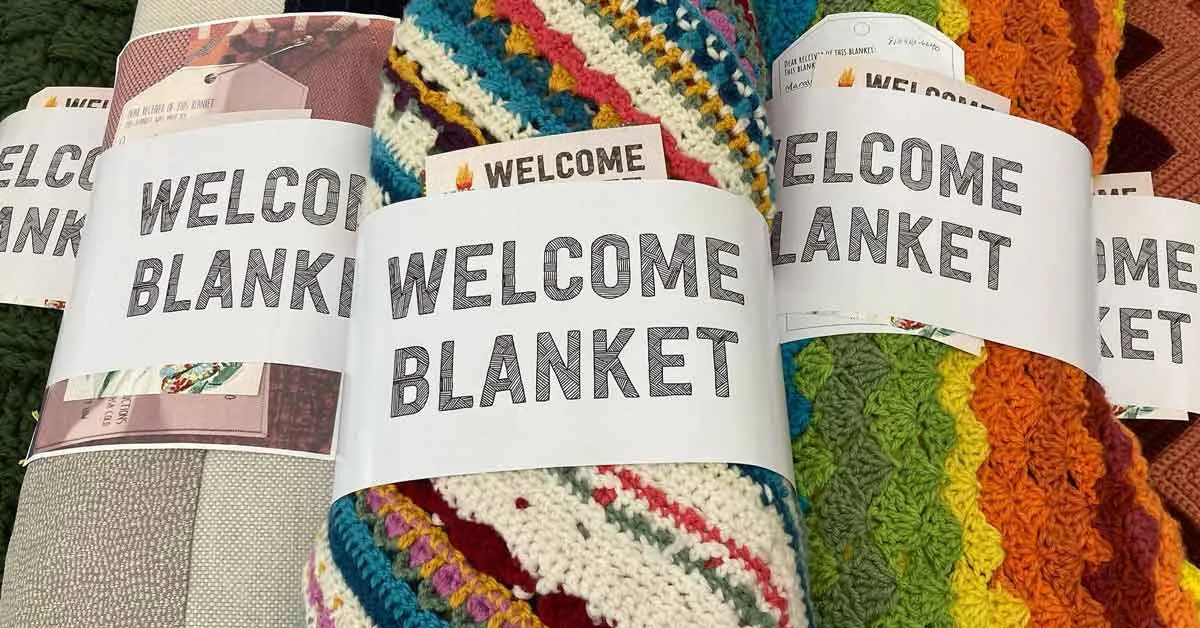
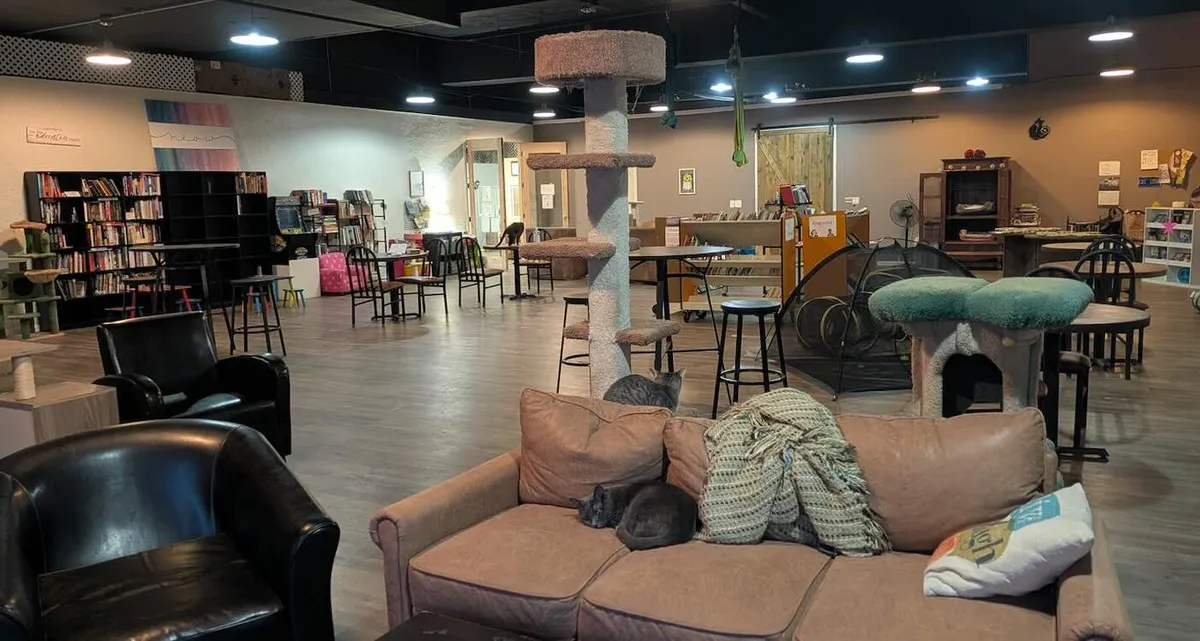
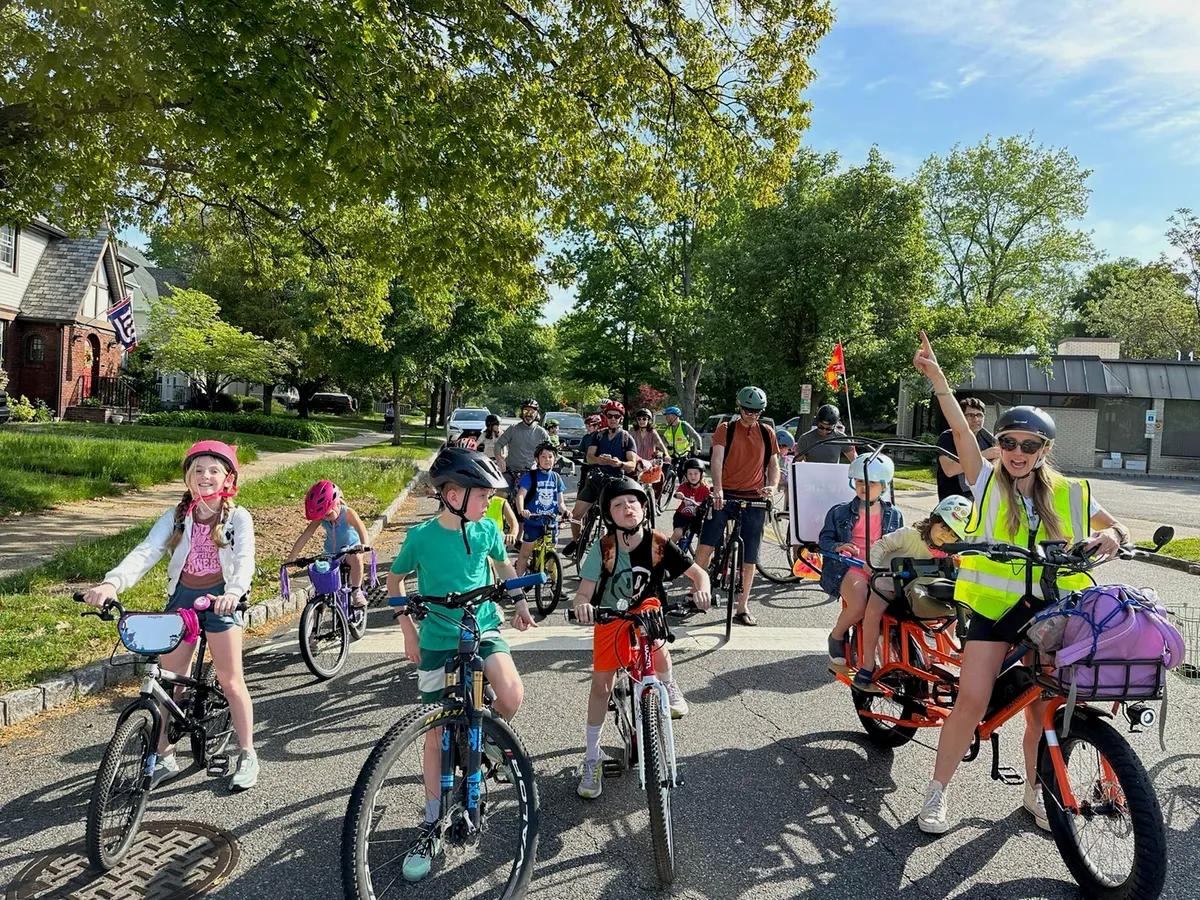
Some communities are rebuilding deliberately. Welcome Committee volunteers, part of a growing national effort, train to help new neighbors feel known and included through simple, regular acts of connection. Others start walking groups, host shared meals, or show up consistently in parks and libraries. The specifics vary. The principle is the same: connection becomes a practice, not an accident.
Building everyday connection isn't sentiment. It's one of the strongest predictors of longevity, mental and physical health, and how well communities weather crisis together. When service becomes regular—when people show up together, week after week—resilience follows.
What matters isn't perfection. It's consistency, and it's showing up.