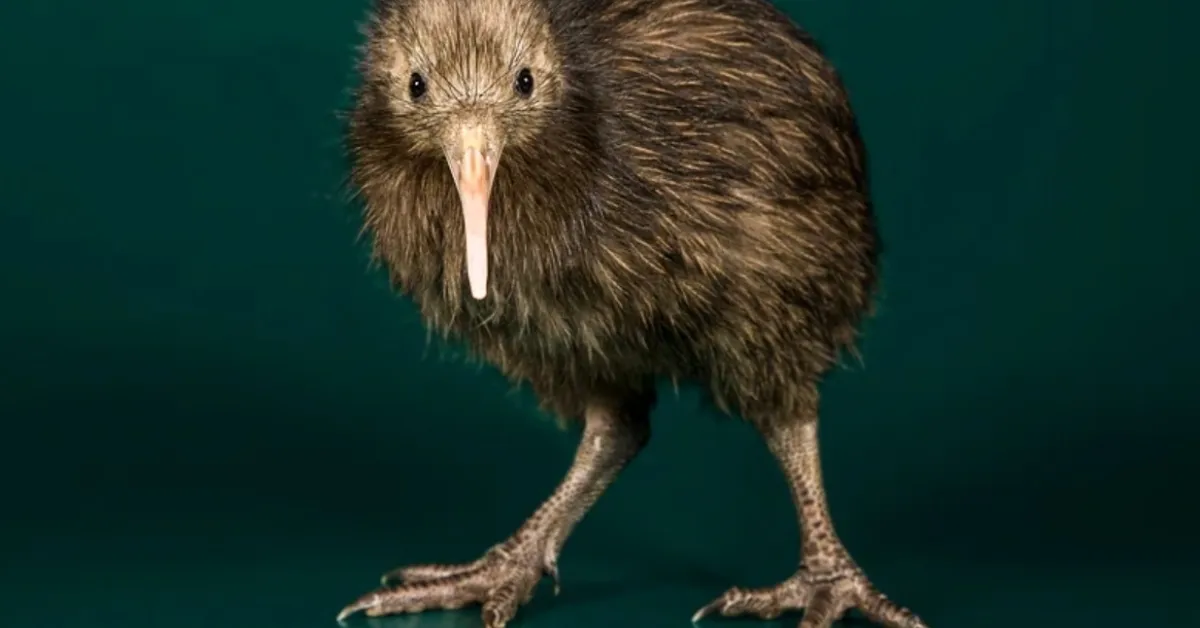
Before humans turned up, a cool 12 million kiwi birds roamed New Zealand. Today? We're down to about 70,000, and that number shrinks by roughly 2% every year. It’s a bit like watching your favorite indie band slowly disappear from the charts, but with more feathers and less synth.
A century ago, Wellington, New Zealand's capital, was practically a kiwi-free zone. The remaining birds had wisely decamped to predator-proof islands, probably sending postcards with envy-inducing beach scenes. But a group called the Capital Kiwi Project decided that enough was enough. It was time for the national bird to come home.
Operation: Bring Back the Beak
Paul Ward, the mastermind behind the Capital Kiwi Project, put it plainly: kiwis are New Zealand. And after a hundred years of absence from Wellington's hills, the locals decided to rewrite that narrative. Which, if you think about it, is both impressive and a little bit like deciding you really miss your eccentric aunt and are going to fly her home, no matter what.
We're a new kind of news feed.
Regular news is designed to drain you. We're a non-profit built to restore you. Every story we publish is scored for impact, progress, and hope.
Start Your News DetoxRecently, volunteers pulled off a delicate operation, ferrying seven crates of kiwis back to Wellington. One particularly important kiwi even got a VIP tour of Parliament's banquet hall. This marked the 250th bird to return, a moment so poignant that some in the crowd teared up, and a man offered a traditional Māori prayer. Because apparently that’s where we are now — crying over birds in parliament. And frankly, it’s a good look.
Kiwis might be small, but they’re ecological powerhouses. They're basically the forest floor's unsung heroes, munching on fruits and spreading seeds like tiny, feathered Johnny Appleseeds. They also vacuum up bugs like cicadas and beetles, keeping insect populations in check, and aerate the soil while digging for worms. Essentially, they’re tiny, adorable ecosystem engineers.
This whole kiwi comeback is part of New Zealand's ambitious, nationwide plan to eradicate all introduced predators—feral cats, possums, rats, stoats—by 2050. The goal was set in 2016, and community groups have embraced it with the kind of enthusiasm usually reserved for a new season of a beloved TV show. Thanks to these dedicated volunteers, areas like Wellington are now largely predator-free, save for the occasional house cat who probably thinks it’s still wild.
Ward, who grew up in those very hills, now hopes his own children will soon hear the distinctive calls of kiwis. Which, after a century of silence, would be a pretty fantastic soundtrack to grow up with. And a testament to what a lot of effort and a little national pride can achieve.