Imagine a language so rich with nuance, a single word can mean entirely different things depending on a subtle shift in tone, a rhythm, a fleeting expression. Now imagine that language is vulnerable, spoken by a nomadic community, and rapidly losing its elders—the very keepers of its deepest meanings.
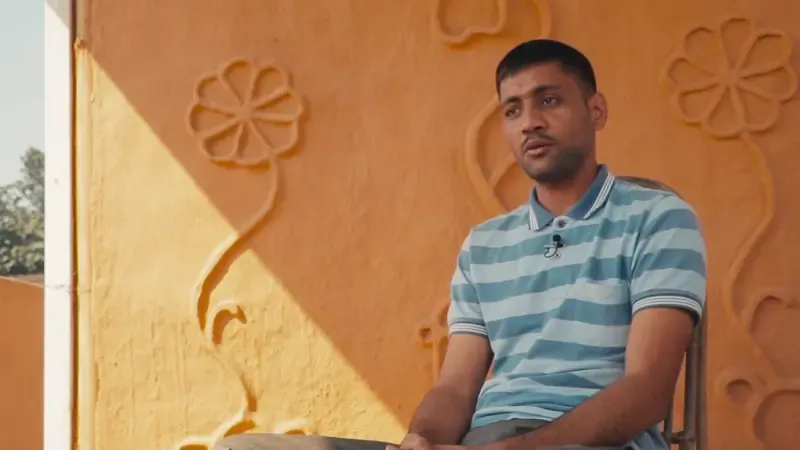
That's the challenge facing Taukeer Alam, a Van Gujjari writer and conservationist from northern India. He’s on a mission to document his Indigenous language, Van Gujjari, before its unique cultural heartbeat fades into silence. And he’s got strong opinions on how to do it right.
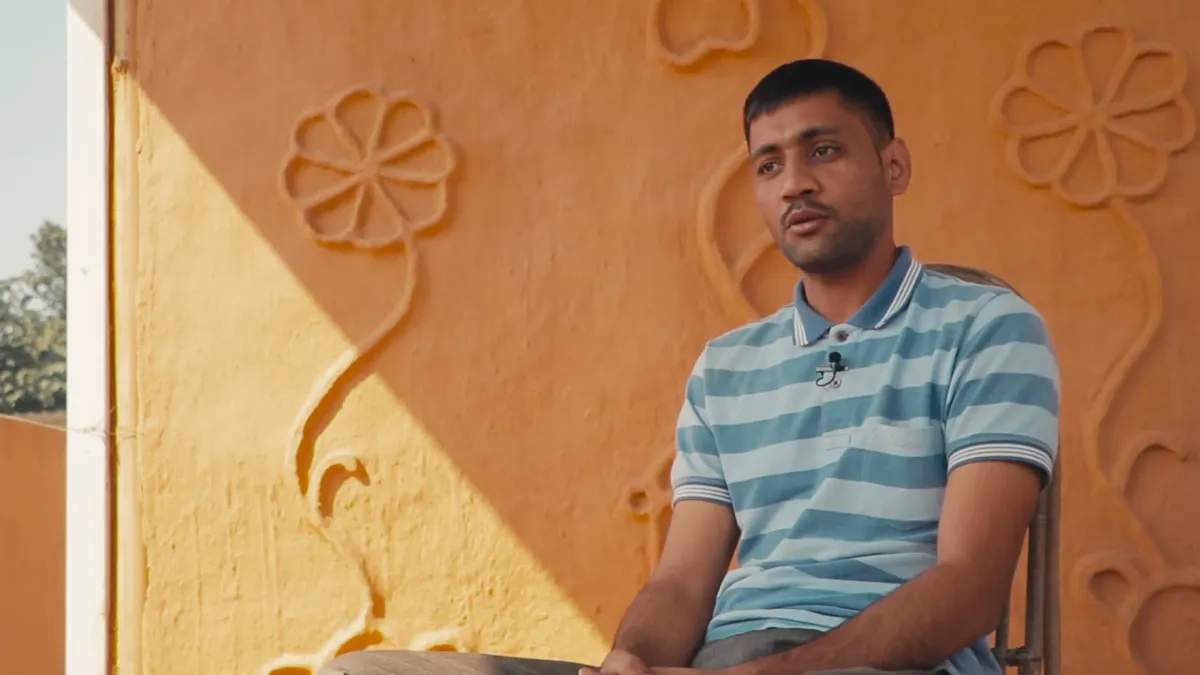
Alam argues that books, while valuable, just don't cut it for capturing the soul of a language. You can spell a word the same way in Hindi, Punjabi, and Van Gujjari, but the feeling behind it can be wildly different. For that, you need audio and video. These formats capture the emotions, the body language, the precise rhythm that brings a word to life. Because apparently, a book can't tell you how a word is truly spoken. Which, if you think about it, is both obvious and deeply profound.
We're a new kind of news feed.
Regular news is designed to drain you. We're a non-profit built to restore you. Every story we publish is scored for impact, progress, and hope.
Start Your News DetoxFor the older generations in his community, who often can't read, these visual and auditory records are invaluable. But as literacy rises among children, written materials are becoming crucial too. Alam suggests turning community stories and interviews into books, connecting education directly to their roots. It’s a clever way to bridge the old and the new.
Protecting Knowledge in the AI Age
But documenting a language isn't just about recording sounds and stories; it's about protecting knowledge. Alam insists the material must be accessible—think YouTube for a community that already spends time there. And it needs to be fast. He points to folk songs where the original meaning is now completely lost because the elders who understood them have passed on. That's a gut punch.
He also stresses involving young people, teaching them the ropes so they can carry on the work. Good quality equipment is non-negotiable, especially when recording elders whose knowledge is, quite literally, irreplaceable.
Then there’s the elephant in the room: AI. Alam is deeply concerned about the misuse of community data. Sensitive information, like traditional medicinal knowledge or sacred rituals, could be exploited if simply made public. He advocates for robust protections—community rights, explicit consent, and clear acknowledgment—so that anyone using the content has to credit the Van Gujjar community. Because if you’re going to borrow someone’s cultural heritage, the least you can do is say thank you.
This urgent, thoughtful approach led to the “Maari Jaban Maari Birsa” (our language, our culture) language documentation project earlier this year. A testament to one man’s race against time, and a blueprint for how to save more than just words.