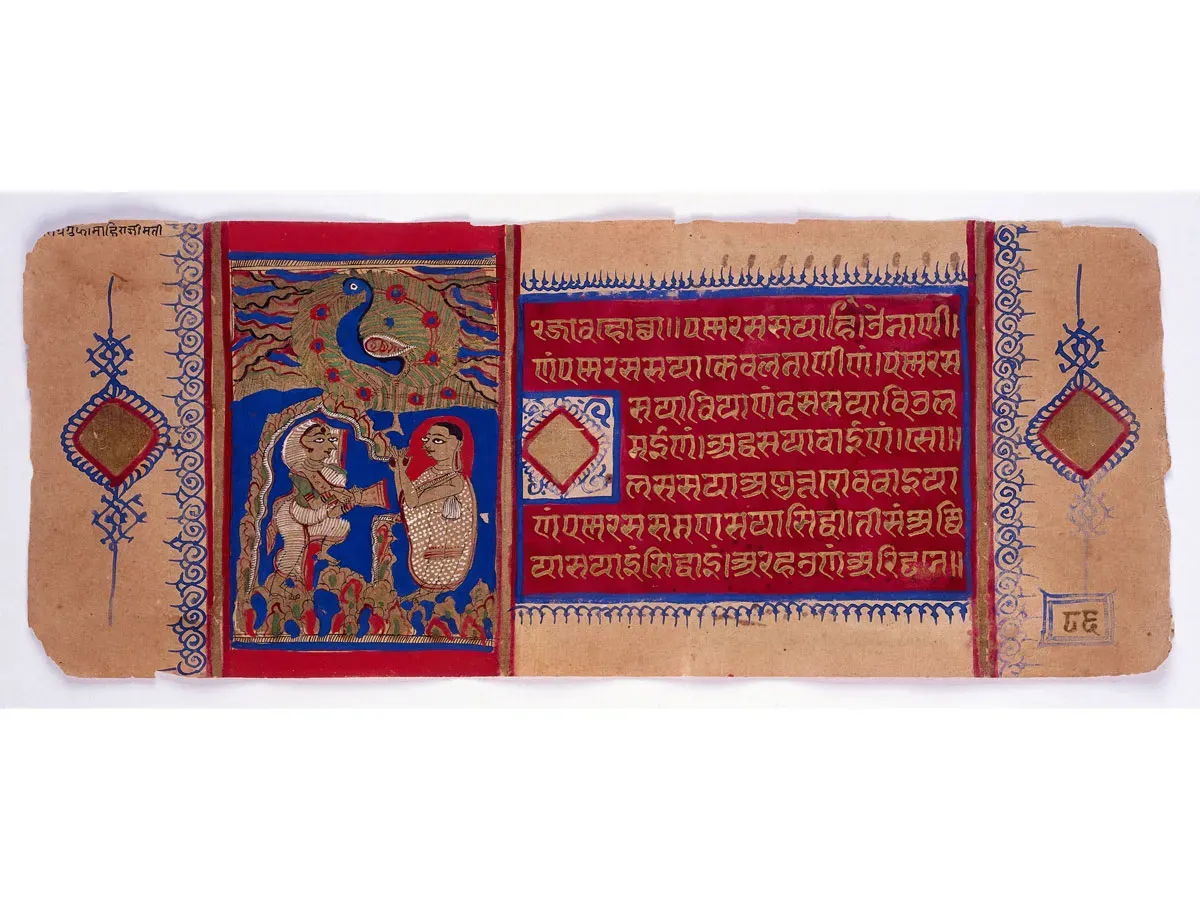
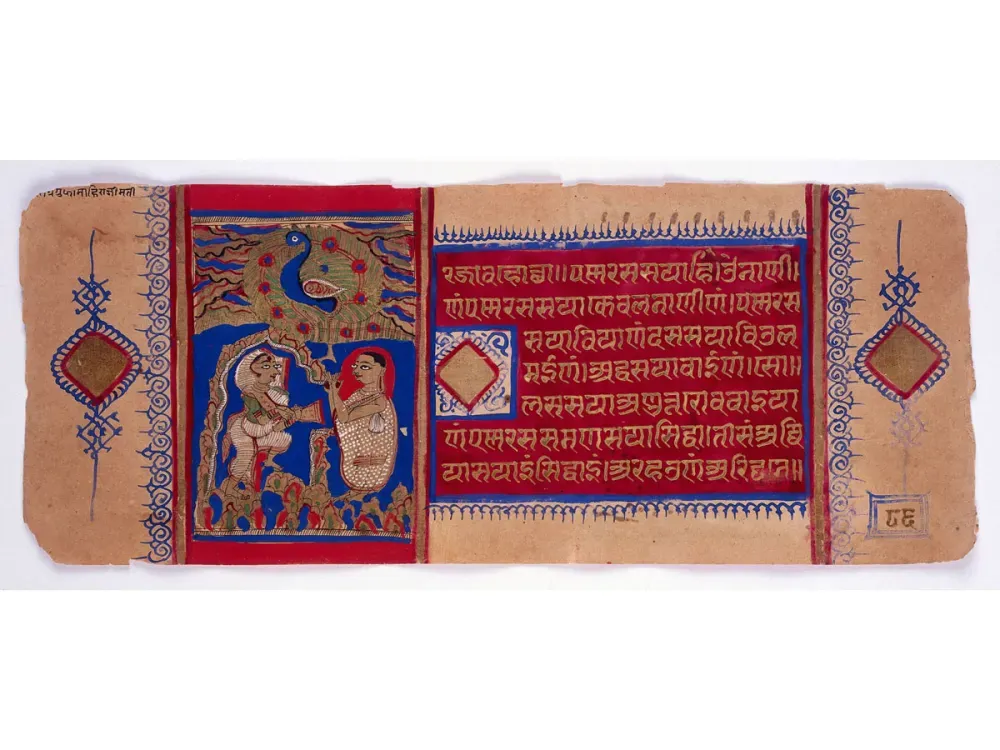
London's Wellcome Collection, a place usually known for its vast medical and health archives, just announced it's handing over 2,000 ancient Jain manuscripts. A big win for cultural repatriation, right? Well, sort of. While the texts are indeed going back to the Jain community, they're not exactly leaving the UK.
Most of these centuries-old documents were originally acquired in what is now Pakistan and India. But instead of a transcontinental journey back to their geographical origins, they're simply crossing London to the University of Birmingham's Dharmanath Network in Jain Studies. Because apparently, that's where home is now.
Why the UK is the New Old Home
The Wellcome Collection's reasoning is surprisingly practical: better access, deeper research, and long-term protection. After "several years of open dialogue" with the UK-based Institute of Jainology, everyone decided the Midlands was the most sensible place for these 15th-to-19th-century treasures to thrive. The Dharmanath Network, funded by Jain communities in the UK, US, and India, is set up to ensure researchers and faith communities can actually read, understand, and translate these texts for a global audience. Which, if you think about it, is both impressive and slightly terrifying that a collection of this size isn't already fully understood.
We're a new kind of news feed.
Regular news is designed to drain you. We're a non-profit built to restore you. Every story we publish is scored for impact, progress, and hope.
Start Your News DetoxThe texts themselves are a deep dive into Jainism, covering religion, culture, medicine, and literature, written in everything from Prakrit to early Hindi. Highlights include a 16th-century copy of the Kalpasutra (a major Jain scripture) and, rather cheekily, an early document from the Indian independence movement that really lays into British rule. Talk about historical irony.
A Model for Repatriation (with a Twist)
Many of these manuscripts were originally purchased by Henry Wellcome himself in 1919, some 1,200 of them from a single temple in India's Punjab state for roughly 5 rupees each. That's about £400 at the time, or a little over £18,200 ($24,243) today. Let that satisfying number sink in.
Mehool Sanghrajka, managing trustee of the Institute of Jainology, called this transfer a "brave decision" and a "model for other faith communities." He pointed out that many of these documents might not have survived the tumultuous post-independence period in India, especially given the Partition, which saw most Jains expelled from Pakistan. So, while it's not a return to the exact geographic origin, it's a return to the community that can best preserve and understand them.
Daniel Martin, Wellcome Collection associate director, summed it up: they've set a "high standard" for acknowledging the "harm caused by unethical acquisition" while still being collaborative and compassionate. In other words, they're saying, "We messed up, but let's make the best of it, together, right here in the UK." Which, for 2,000 ancient texts, is quite the journey.