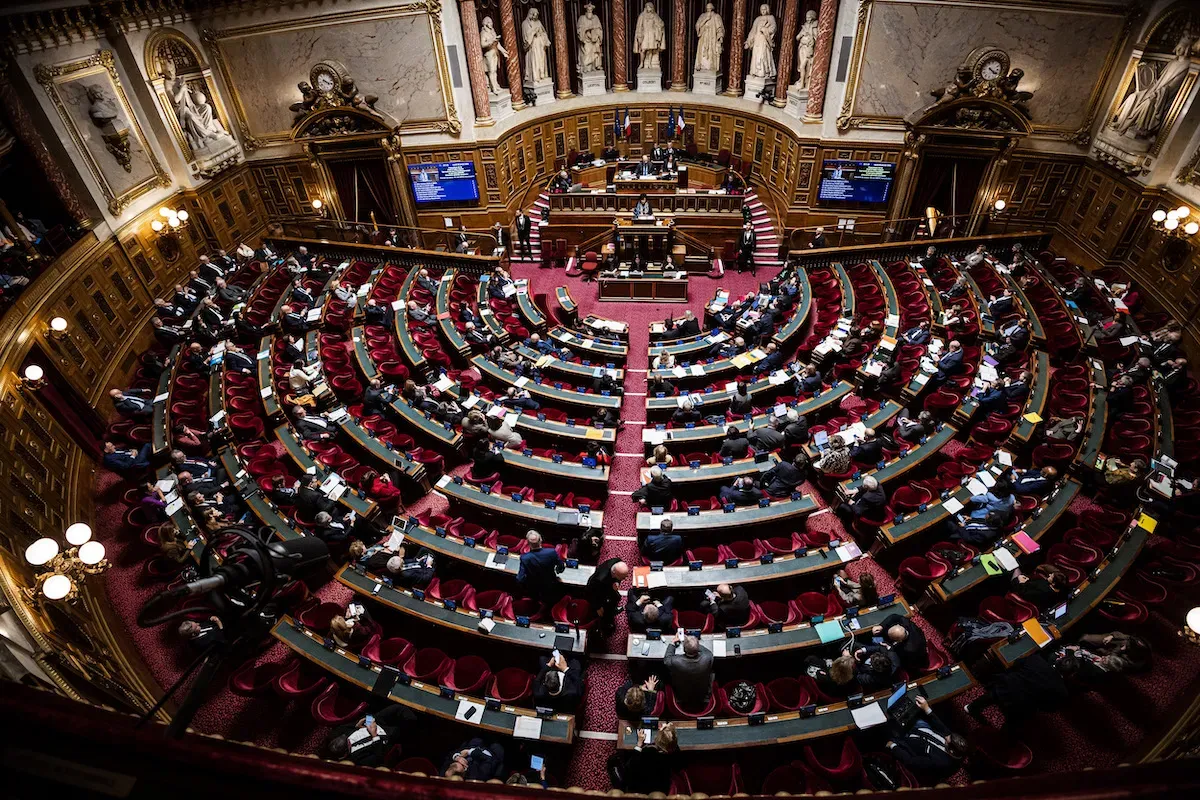
France's Senate has unanimously backed legislation that could fundamentally change how the country returns stolen cultural artifacts to its former colonies. The bill targets tens of thousands of artworks and objects currently held in French institutions—items taken between 1815 and 1972—and removes the bureaucratic barrier that has made restitution painfully slow until now.
Under existing law, returning even a single object required a separate parliamentary vote. That meant each request became a political event rather than a straightforward act of repatriation. The new framework would let institutions return items without that repeated legislative hurdle, shifting the conversation from "should we?" to "how do we do this well?"
President Emmanuel Macron has made this his signature cultural project since 2017, when he visited Ouagadougou and promised to facilitate African heritage returns within five years. He's gone further than any French leader before him in publicly acknowledging what colonial rule actually was—not a civilizing mission, but a system built on extraction and erasure. That's not rhetorical repositioning; it's a genuine break from how France has historically framed its past.
We're a new kind of news feed.
Regular news is designed to drain you. We're a non-profit built to restore you. Every story we publish is scored for impact, progress, and hope.
Start Your News DetoxCountries like Algeria, Mali, and Benin have been waiting for this shift. They've watched French museums display their cultural property while their own institutions lack the resources to recover it. A "talking drum" taken from Ivory Coast's Ebrie tribe in 1916 was returned in 2025—a small object that became a test case for whether France would actually follow through.
Senator Catherine Morin-Desailly framed the bill carefully: "The idea is not to empty French museums." She's right. This isn't about stripping Europe bare. It's about acknowledging that some objects belong elsewhere, that cultural heritage matters to the people it came from, and that France can be a museum-holding nation and one that returns what was taken. Those things aren't contradictory.
The bill now moves to the National Assembly for final approval. If it passes, France will have built something most Western nations haven't yet managed: a legal mechanism for restitution that works at scale, not just in symbolic gestures. That matters because gestures fade. Laws persist.