

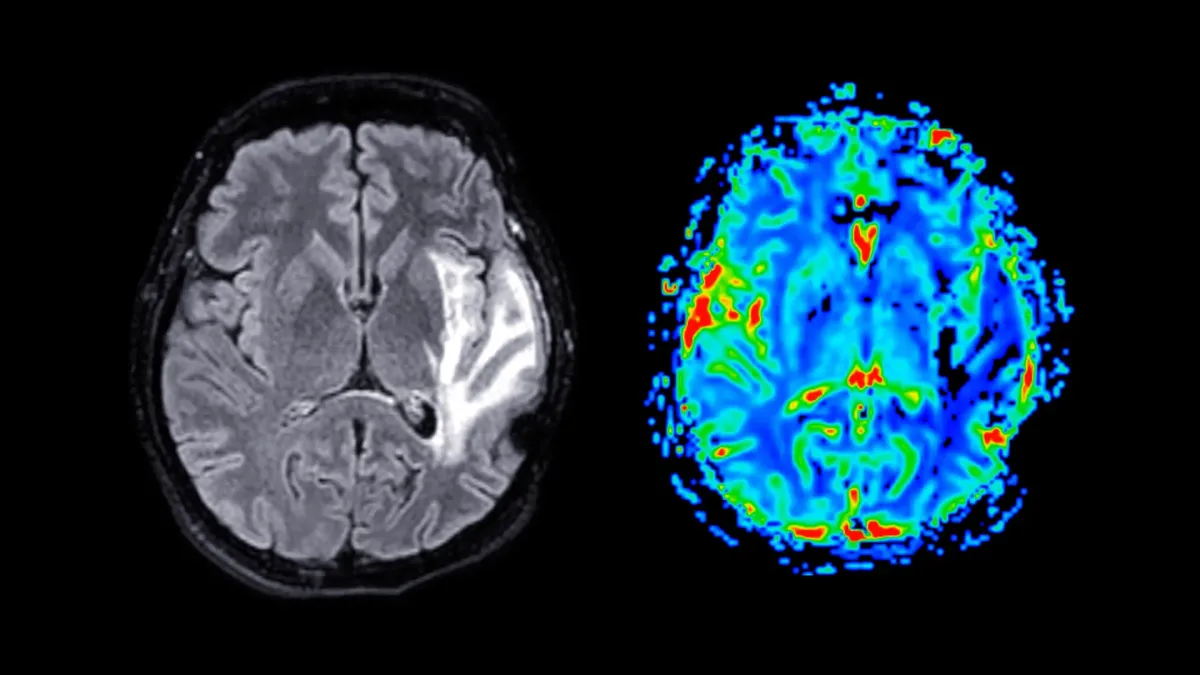
A study of nearly 125,000 women reveals that menopause doesn't just trigger hot flashes and mood shifts — it physically changes the brain. Researchers at the University of Cambridge found that post-menopausal women show reduced grey matter volume in regions critical for memory and emotional regulation, even when taking hormone replacement therapy.
The finding adds a biological layer to what women have long reported: menopause reshapes how they think and feel. Women who'd gone through menopause were significantly more likely to seek help for anxiety, depression, and sleep problems compared to pre-menopausal women. Their reaction times also slowed, though memory performance held steady.
What's Actually Happening in the Brain
The grey matter loss wasn't subtle. The affected brain regions — areas involved in memory storage and emotional control — overlap substantially with those damaged in Alzheimer's disease. This matters because women develop dementia at nearly twice the rate men do, and researchers now suspect menopause could be part of the explanation.
We're a new kind of news feed.
Regular news is designed to drain you. We're a non-profit built to restore you. Every story we publish is scored for impact, progress, and hope.
Start Your News Detox"Menopause could make these women vulnerable further down the line," says Professor Barbara Sahakian, one of the study's leads. "While not the whole story, it may help explain why we see almost twice as many cases of dementia in women than in men."
Here's what complicates the picture: hormone replacement therapy (HRT) didn't prevent the brain changes. Women using HRT still showed the grey matter reductions and reported similar levels of anxiety and depression as those who didn't use it. This doesn't mean HRT is ineffective — it helped many women manage hot flashes and other symptoms — but it suggests the cognitive shifts may be driven by something deeper than just hormone levels alone.
The study, which analyzed data from the UK Biobank, tracked women across three groups: pre-menopausal, post-menopausal without HRT, and post-menopausal with HRT. The consistency of findings across groups points to menopause itself as the driver, not just the absence of hormones.
What researchers don't yet know is whether these brain changes are permanent, whether they accelerate cognitive decline later, or whether interventions beyond HRT could slow them. The study captures a moment in time; it doesn't tell us if women's brains stabilize after menopause or if the vulnerability to dementia is lifelong. That matters enormously for how we approach prevention and support.
For now, the research underscores something women's health advocates have long argued: menopause deserves serious medical attention, not dismissal as a "normal life stage." The brain changes are real, the mental health impacts are measurable, and they warrant the same rigorous research we'd give any condition affecting millions of people.





