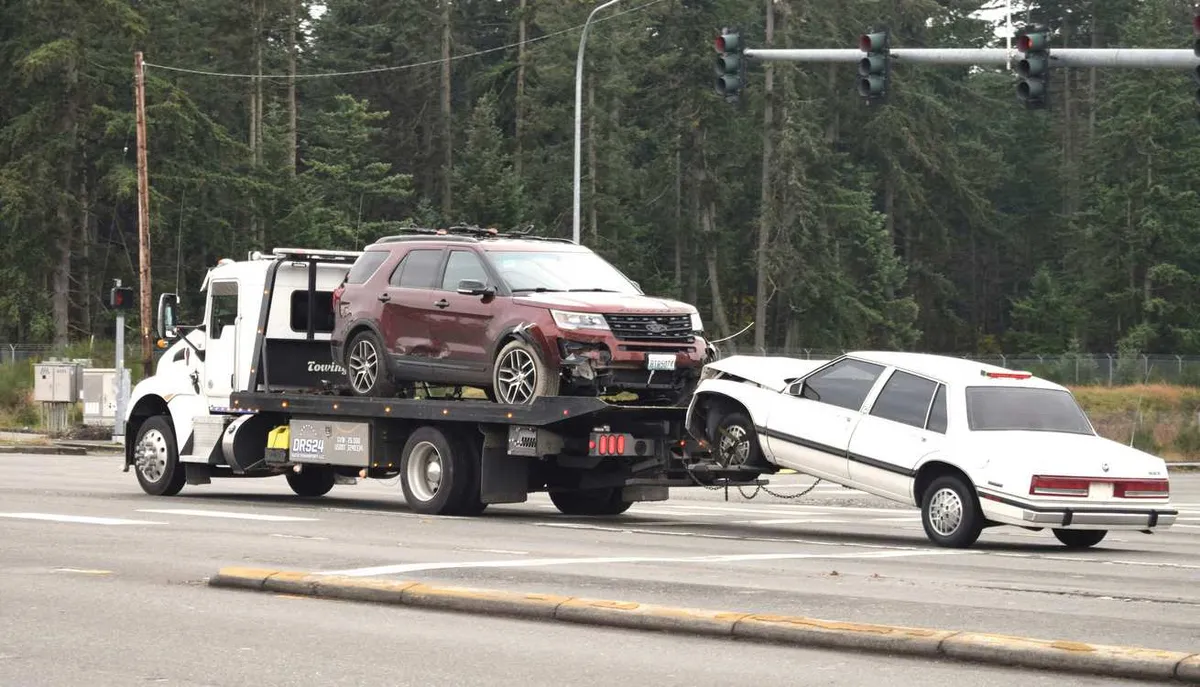
Juan Leon started his towing business in Minnesota just months before Operation Metro Storm swept through the state. ICE arrests left behind a particular kind of debris: cars abandoned on streets and in parking lots, their owners suddenly gone.
Leon noticed the pattern quickly. Vehicles left behind after arrests. Families without transportation. Streets cluttered with cars no one could claim. He realized he had the tools to help—a tow truck, a business license, and a decision to use them.
For the past four months, Leo's Towing has been returning these vehicles to families at no cost. Leon works sometimes alone, sometimes with observers, tracking down where cars were left and delivering them back to people who need them. The math on this is brutal: a hydraulic tow truck costs hundreds of thousands to insure. Each job carries real expense. But Leon decided to absorb it.
We're a new kind of news feed.
Regular news is designed to drain you. We're a non-profit built to restore you. Every story we publish is scored for impact, progress, and hope.
Start Your News Detox"Seeing there was a need for someone to help out, help clear the streets and get the people back their vehicles," he told CBS. "So we stepped up and started doing it."
He's returned roughly 250 cars so far. When families reach out, he goes. When they don't, he finds a way inside the vehicle anyway and delivers it to a safe spot near their home. The moments of return are heavy—he describes them as "more than sad"—but they're also the point. A mother gets her car back. A family keeps its mobility. A street gets cleared.
Donations from across the country have flooded in to cover costs, crowding out Leon's regular towing schedule entirely. He's chosen to prioritize this work instead. It's not a permanent solution to the larger questions around immigration enforcement or the families separated by it. But it's what one person with a tow truck decided he could do right now—and he's doing it at scale.