Khalid Omar, a community organizer at Dar Al-Farooq Islamic Center in Minneapolis, calls the past few months "a very difficult time." In December, U.S. Immigration and Customs Enforcement deployed 3,000 officers across Minnesota in what it called "Operation Metro Surge." For the state's 100,000-plus Somali residents—many of them U.S. citizens or naturalized—the timing felt deliberate and heavy.
But as Ramadan began, something shifted. The ICE operation was scaled back, and the Muslim community found itself entering the holy month with a different kind of clarity: this was the moment to lean harder into faith, into each other, into the place they call home.
"This is the time when we need to lean into our faith more," Omar told CNN. "Make dua (prayer) for the people that are suffering, the people that felt this atrocity."
We're a new kind of news feed.
Regular news is designed to drain you. We're a non-profit built to restore you. Every story we publish is scored for impact, progress, and hope.
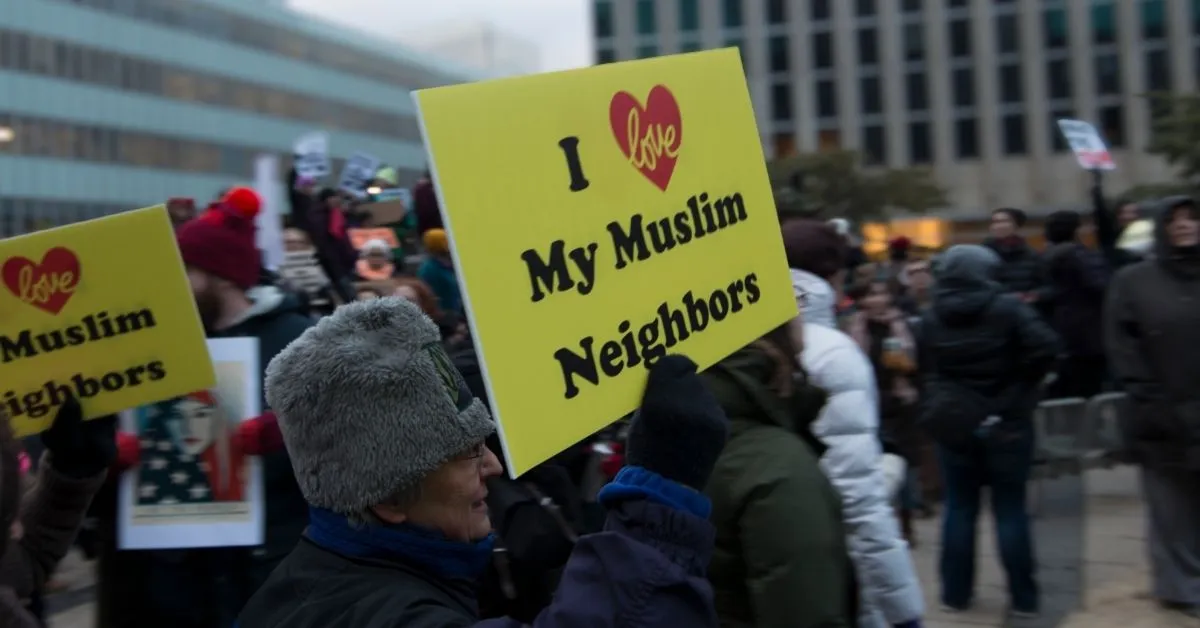
Start Your News DetoxWhat unfolded across Minneapolis wasn't just private prayer. It was visible, communal, deliberate. When protests gathered, Somali American lawmaker Zaynab Mohamed showed up with sambusas and trays of food. Neighbors stood beside neighbors. Local nonprofits like Somali Neighbors organized not just for safety, but for connection—making sure the community knew they weren't alone and that others were paying attention.
Basim Sabri, a Palestinian American, captured something essential in what was happening: "I'm a very proud Muslim … and extremely proud to be a Minnesotan. We're very fortunate to be in Minnesota, and very fortunate to be in America."
That's the paradox Minnesota's Muslim community held during these weeks. Fear and belonging at once. Grief and gratitude. A government operation designed to target them, and neighbors—both Muslim and not—who showed up anyway.
As Ramadan unfolded, Somali Neighbors released a simple statement: "For the next 30 days, our Muslim neighbors will fast from sunrise to sunset. They'll pray more. Give more. Gather more. Minnesota is stronger because of every community that calls it home. Standing with you this Ramadan."
It wasn't a promise that everything would be easy. It was something quieter and more durable: a commitment to visibility when invisibility felt safer, and to community when isolation might have been simpler.