Broken bones don't always tell the whole story. When someone arrives at an orthopedic surgeon's office with a wrist fracture, a shoulder dislocation, or multiple injuries at different stages of healing, the surgeon focuses on the fracture. But those injuries are often the second most common physical sign of intimate partner violence — and orthopedic surgeons are almost never connecting those dots.
A new study from Harvard Medical School, Mass General Hospital, and Brigham and Women's Hospital examined 24 years of referral data from hospital domestic abuse intervention programs. The numbers reveal a striking gap. Emergency departments referred 29% of patients to abuse support services. Behavioral health referred 18%. But orthopedic surgeons? Just 0.3%.
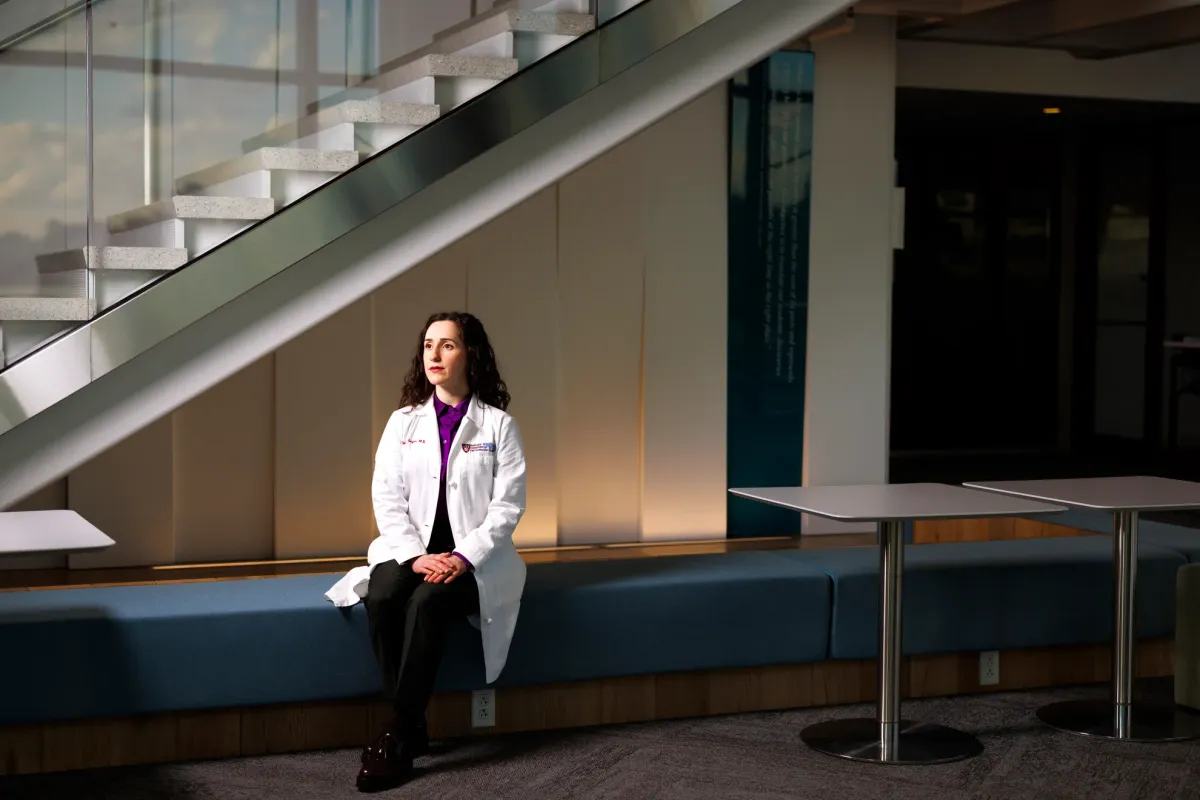
"This research shows we have an opportunity to support patients in a way that can be just as important as the surgery itself," said Ophelie Lavoie-Gagne, the clinical fellow who led the study. The missed opportunity isn't about judgment or forcing decisions. It's about recognition — and offering someone the knowledge that what's happening to them isn't normal.
We're a new kind of news feed.
Regular news is designed to drain you. We're a non-profit built to restore you. Every story we publish is scored for impact, progress, and hope.
Start Your News DetoxWhy the gap exists
Screening for abuse can be as straightforward as asking: "Do you feel safe at home?" Some specialties require this question. Others don't. Orthopedic surgeons often see dozens of patients a day, and they're trained to spot fracture patterns, not abuse patterns. Even though the American Academy of Orthopaedic Surgeons lists the warning signs — injuries that don't match the explanation, wounds of different ages, treatment delays — these subtler markers can vanish in the rush of a busy clinic.
Many surgeons also aren't trained on what happens after a disclosure. They worry about overstepping, or they simply don't know what resources exist. The result: a patient leaves the office with a cast and no awareness that someone at the hospital could help.
Technology as a pattern-spotter
One solution emerging from Harvard is an AI tool called AIRS (Automated IPV Risk Support System). Rather than relying on a surgeon's eye, AIRS scans a patient's existing medical records — previous visits, injury histories, imaging notes — and flags patterns that suggest abuse. "IPV often leaves physical traces that show up repeatedly in the medical record long before a patient ever discloses abuse," said Bharti Khurana, the associate professor developing the system. "The opportunity for AI is to recognize those patterns early and objectively."
The tool doesn't make decisions for clinicians. It simply prompts them to ask the question they might otherwise miss. For patients, that single question can be the difference between isolation and connection to support.
Lavoie-Gagne emphasizes that intervention doesn't mean convincing someone to leave. "Sometimes the intervention is just to empower someone, to say that what's happening to them at home is not okay." That clarity, offered at the right moment by a trusted medical provider, can reshape how someone sees their situation.
As orthopedic departments begin recognizing these patterns — and as tools like AIRS make screening easier — the gap between the injuries doctors see and the help patients need is finally starting to close.