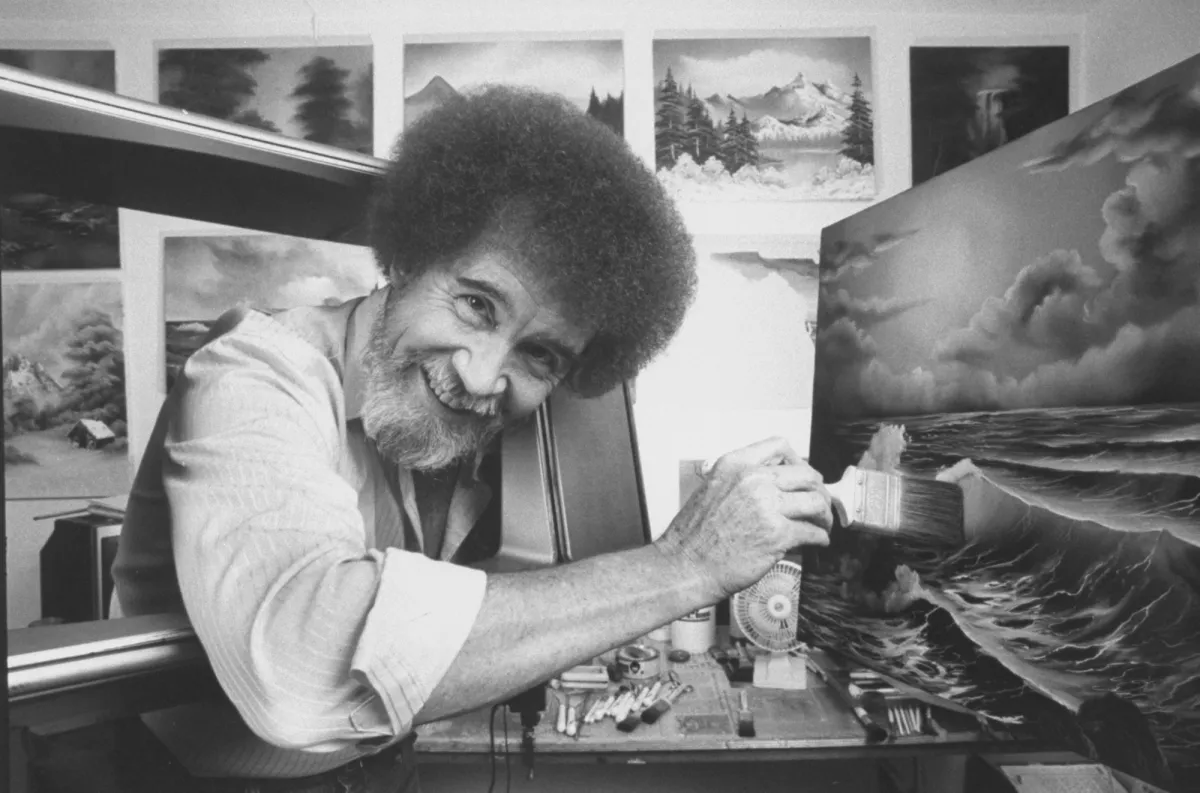
Three more Bob Ross paintings are heading to auction later this month, and this time the stakes feel a bit different. These aren't just nostalgic artifacts from the PBS legend — they're a lifeline for American Public Television, which faces $1.1 billion in funding cuts over the next four years.

Bonhams is selling the works on January 27 in Marlborough, Massachusetts, with estimates totaling around $155,000. Valley View (1990), painted for Ross's instructional book series, is expected to fetch $30,000–$50,000. Change of Seasons (1990), created for the 20th season of his television show, could reach $40,000–$60,000. And Babbling Brook (1993), from season 30, is estimated at $25,000–$45,000.

These three paintings are part of a larger effort. Last year, Bonhams auctioned 30 Ross works with a combined high estimate of $1.4 million. The sales performed well — three paintings sold for $662,000 combined in November alone. Even more striking, a single Ross painting sold for over $1 million in a separate auction organized by comedian John Oliver, who's become an unexpected champion of public broadcasting funding.
We're a new kind of news feed.
Regular news is designed to drain you. We're a non-profit built to restore you. Every story we publish is scored for impact, progress, and hope.
Start Your News DetoxWhat's happening here is quietly remarkable. Bob Ross, who spent 31 seasons teaching people to paint happy little trees on PBS, is now helping save the very network that made him possible. His work resonates decades later not because it's rare or precious in the traditional art-world sense, but because people remember how it made them feel — calm, capable, welcomed into something creative.
The auction strategy is pragmatic. Rather than let these paintings sit in storage or private collections, APT is converting them into operational funds. Every dollar from these sales goes toward keeping educational and cultural programming on air at a moment when that funding is under real pressure.
More paintings from Ross's estate are likely to follow. The initial group of 30 proved there's genuine appetite for his work, both from collectors and from people who simply want to support the mission behind it.