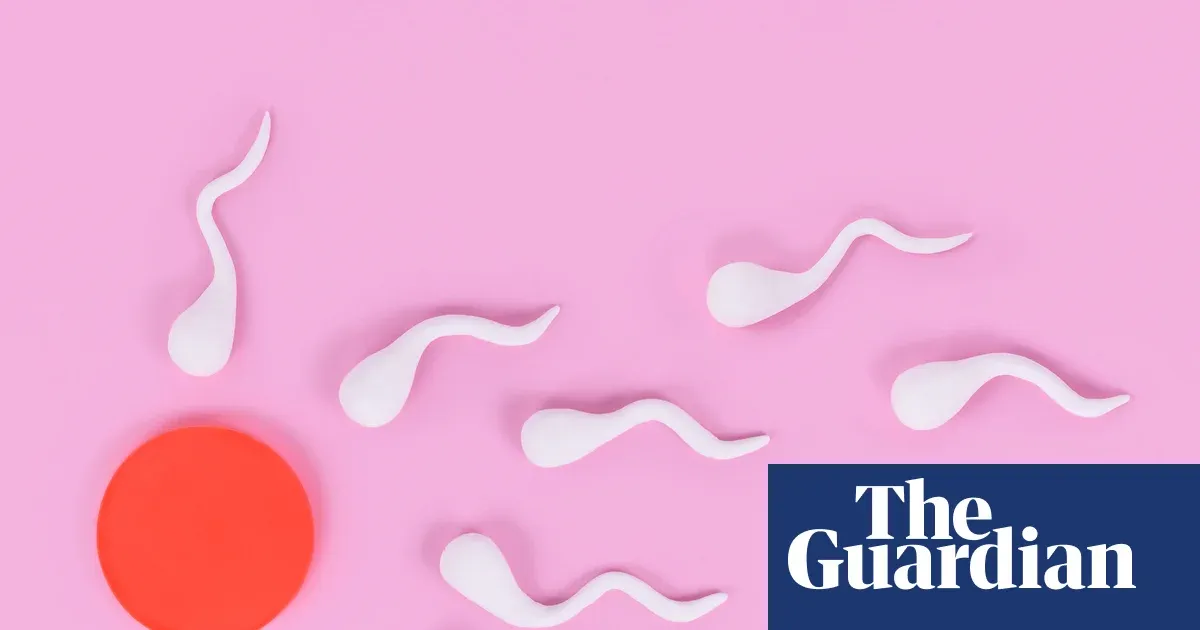
Here's a wild idea that flips old advice on its head: new research suggests that for better fertility, men might need to ejaculate more often, not less. Seriously. Turns out, the longer sperm hangs around, the more its quality can drop.
Scientists found that sperm showed more DNA damage and oxidative stress when men went longer without ejaculating. These sperm also didn't swim as well and weren't as healthy overall. Basically, fresh is best.
Rethinking the Rules
This could totally change how fertility clinics give advice. For ages, the World Health Organization (WHO) suggested men wait two to seven days before fertility tests or IVF. The idea was to get the highest possible sperm count. But Dr. Krish Sanghvi from the University of Oxford, who led this new study, says that waiting too long can actually harm sperm quality. He pointed out that the damage to sperm DNA was pretty significant.
We're a new kind of news feed.
Regular news is designed to drain you. We're a non-profit built to restore you. Every story we publish is scored for impact, progress, and hope.
Start Your News DetoxThis wasn't just a small study. It pulled together data from 115 human studies involving nearly 55,000 men, plus 56 animal studies. The big takeaway? Sperm tends to get worse the longer it's stored inside the body, no matter a man's age.
So, doctors and couples might want to rethink that long wait. While holding off might mean more sperm, getting pregnant also heavily relies on the quality of that sperm.
A Better Shot at IVF?
The Oxford study didn't directly link abstinence to pregnancy rates. But get this: a separate clinical trial with 453 couples did find a connection. In that trial, IVF doctors compared pregnancy rates for two groups. One group of men abstained for less than two days before providing sperm. The other group stuck to the longer WHO guidelines (two to seven days).
The results were pretty clear: there was a 46% pregnancy rate when men abstained for less than 48 hours. That number dropped to 36% for those who waited longer. That's a pretty big difference.
For couples trying naturally, it's about finding a sweet spot. Wait too long, and sperm might get damaged. Wait too little, and there might not be enough mature sperm. The key, Dr. Sanghvi says, is finding a balance between having enough sperm and having good quality sperm.
Professor Allan Pacey from the University of Manchester agrees. He says fresher sperm, which comes from shorter abstinence times, is more active and has less DNA damage. He adds that while the two to seven-day rule is fine for initial checks, for IVF, having the freshest, healthiest sperm is way more important. Modern IVF can work with fewer sperm, so "saving up" isn't as crucial as it once was. It's like, why use old ingredients when you can get fresh ones?