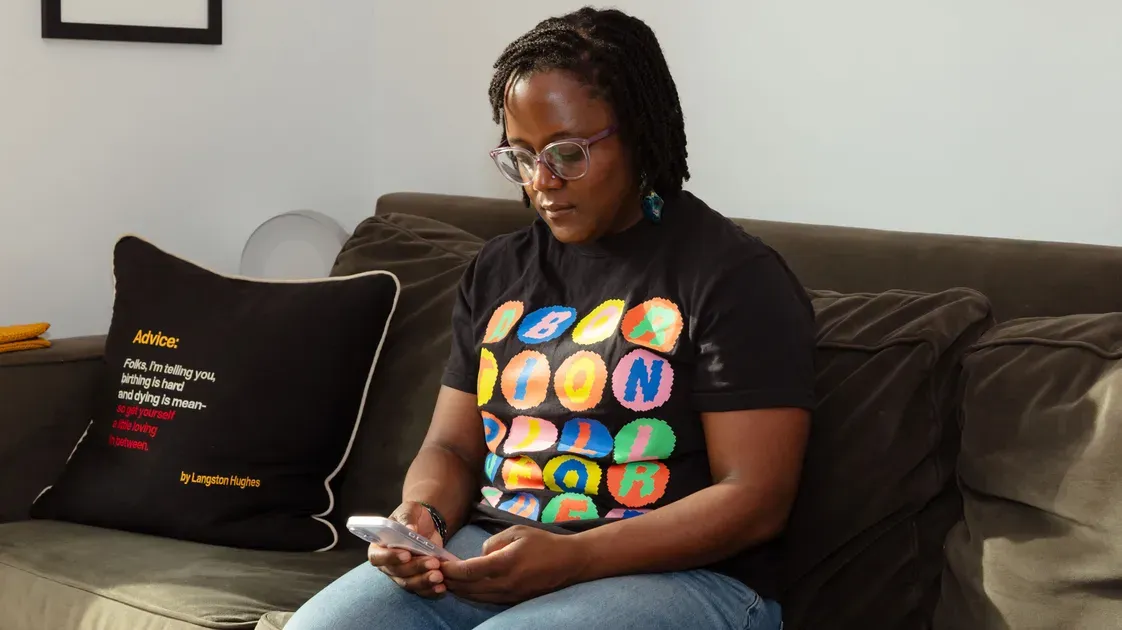
April Lockley takes calls from her apartment in New York City while her three-year-old plays nearby. Some days she's fielded questions from the back of an Uber or a salon chair. The questions vary wildly: "Can I take ibuprofen with abortion pills?" "Am I bleeding too much?" "Will the emergency room call the police?"
Lockley is a family medicine doctor and medical director of the Miscarriage and Abortion hotline—a volunteer-run operation that fields roughly 80 calls and texts a day from people managing abortions at home. Since 2020, she's watched the nature of those calls shift dramatically.
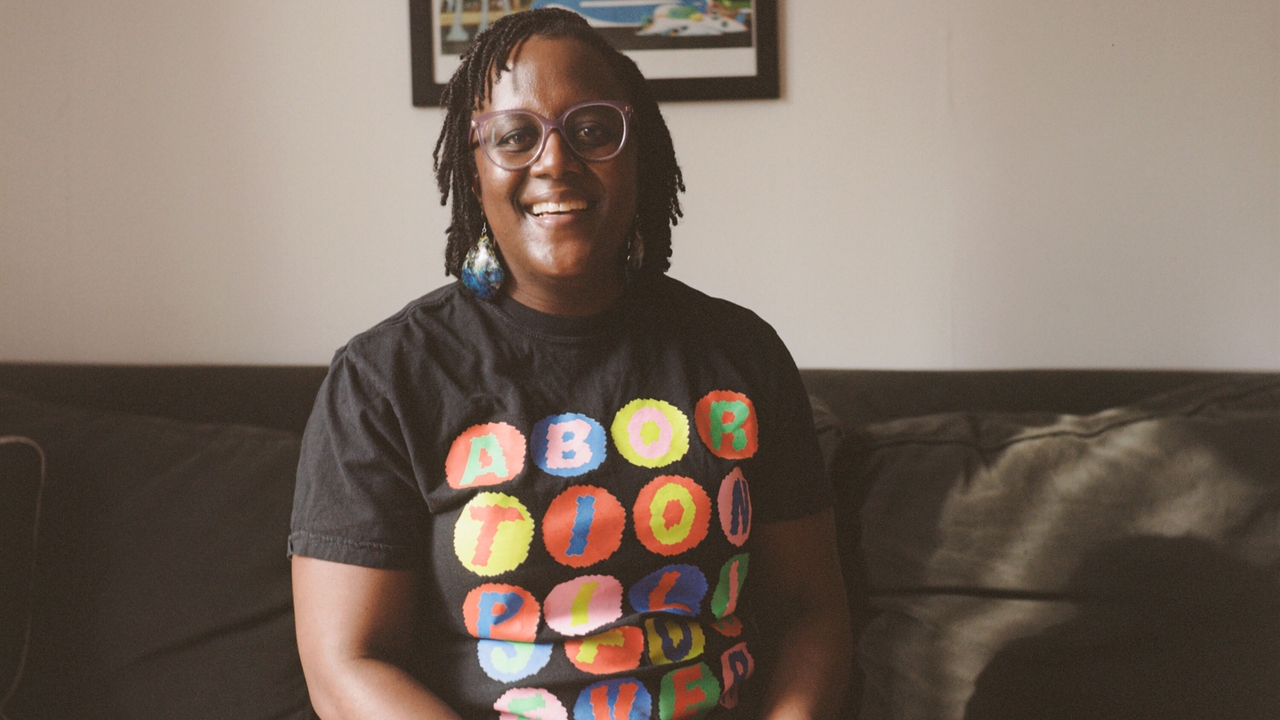
Before the Supreme Court overturned Roe v. Wade in 2022, most callers worried about physical pain. Now, the dominant anxiety is legal. "If I go to the emergency room, will they call the police?" has become routine. The fear isn't irrational—many people have been criminalized for pregnancy outcomes, even in states where self-managed abortion is technically legal.
We're a new kind of news feed.
Regular news is designed to drain you. We're a non-profit built to restore you. Every story we publish is scored for impact, progress, and hope.
Start Your News Detox"The anxiety around a medical provider knowing they're pregnant at all, the concern about legal safety—that anxiety is much more prevalent," Lockley told HuffPost. "We get those questions all the time."
The Infrastructure That Emerged
The M+A hotline itself was created in 2019 by a group of physicians who saw what was coming. They didn't wait for the legal landscape to crumble—they built a lifeline in anticipation of it.
That foresight has proven essential. Today, 21 states have enacted abortion restrictions, including 14 near-total bans. Yet the total number of abortions in the U.S. has actually increased, largely because of telehealth—where physicians virtually prescribe abortion pills and mail them to patients. Telehealth now accounts for one-quarter of all abortions nationwide. Self-managed abortions using pills have also risen. Both are safe and effective, and for people in restricted states, they've become the only option.
Last year, the hotline received just over 14,000 calls. It runs seven days a week, staffed by over 100 volunteers—nearly all physicians, nurses, midwives, or other healthcare professionals working without payment.

The conversations reflect the full complexity of reproductive life. Some callers need to know if their regular medications interact with abortion pills. Others can't afford clinic care and are using mail-to-home pills to manage a miscarriage. Teenagers call with basic questions about their own bodies—sometimes from places where sex education doesn't exist. Parents and friends call seeking guidance on how to support someone they care about.
Most callers live in the Southeast, where several states enacted near-total bans immediately after Roe fell. For people in red states, Lockley refers them to safe physicians or clinics in blue states that can confirm their abortion was successful via telehealth ultrasound.
The legal threat extends to providers too. Although state shield laws protect physicians who prescribe pills by mail, a handful of red states have sued abortion providers from blue states. The hotline itself doesn't prescribe pills—instead, it educates callers on how to access them safely and legally.
"When people feel like they don't have any options, they are more likely to do something dangerous or get in legal trouble," Lockley said. "In order to help protect people and help keep people safe, we want to give them accurate information so that they can decide for themselves what their options are."
As restrictions continue to tighten, the hotline's role as a source of accurate, non-judgmental information has become more vital. It's a model that's spreading—similar services now operate across the country, staffed by healthcare workers who've chosen to answer calls from their homes, their cars, their breaks, because the alternative is leaving people to navigate this alone.
If you or anyone you know needs assistance self-managing a miscarriage or abortion, please call the Miscarriage and Abortion Hotline at (833) 246-2632 for confidential medical support or the Repro Legal Helpline at (844) 868-2812 for confidential legal information and advice.