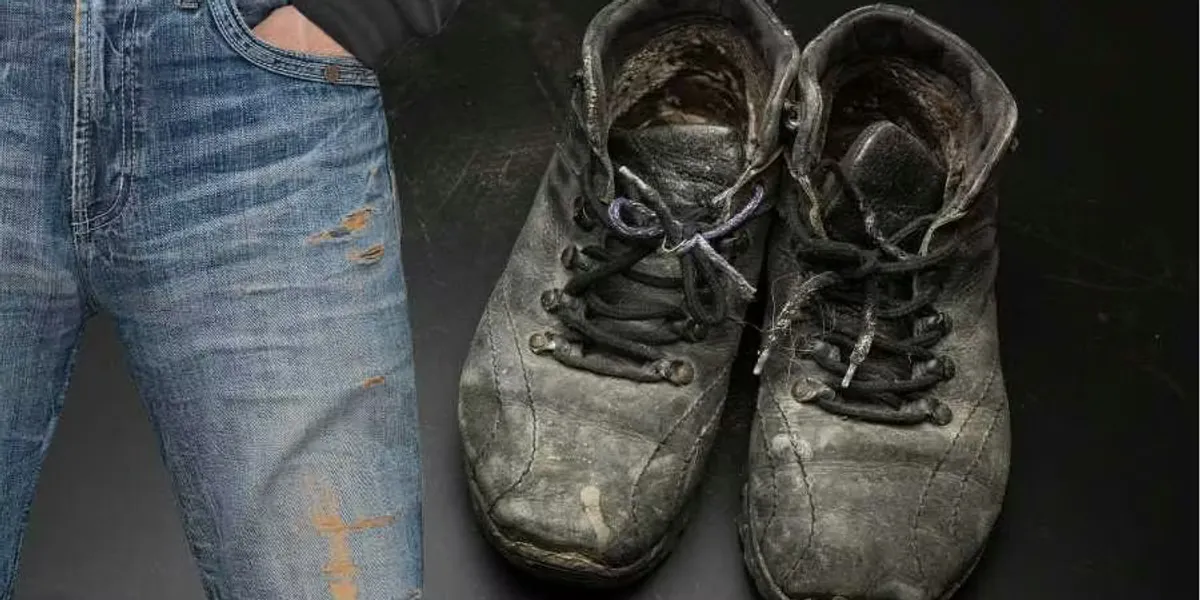
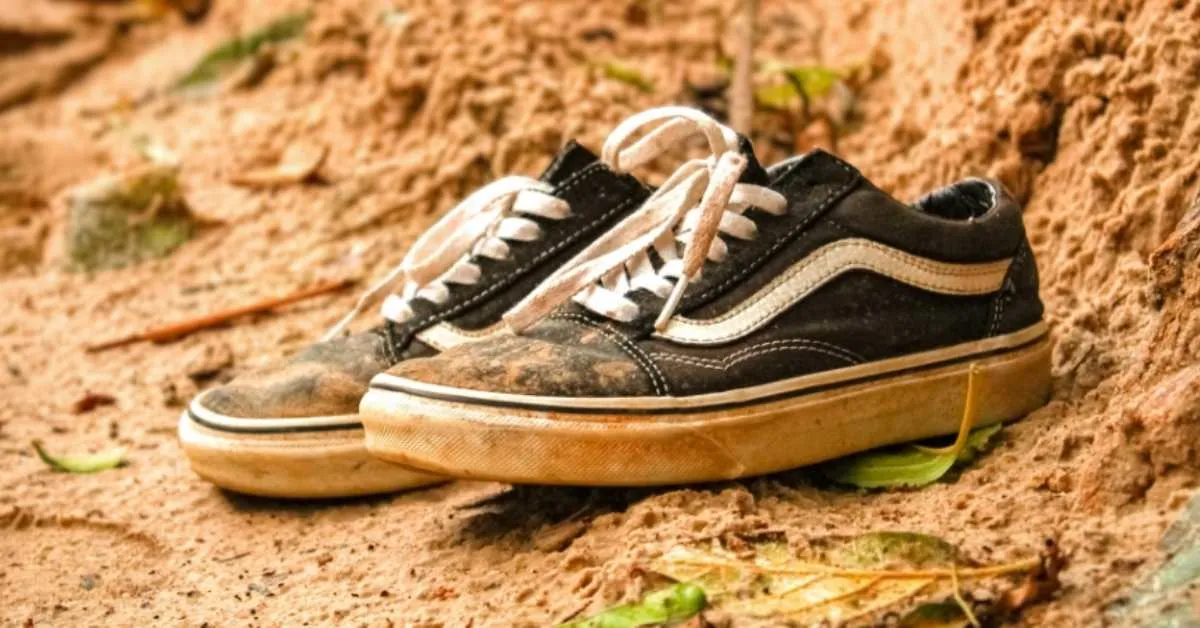
Most of us toss our running shoes after 8–12 months. They've still got miles left, but the sole's worn, the cushioning's shot, so into the bin they go. In the United States alone, over 300 million shoes end up in landfills each year — while 300 million people worldwide have no shoes at all.
That gap is where Sneakers4Good operates. The global recycling program collects gently used sneakers from marathons, running clubs, gyms, and specialty stores across the country, then redistributes them to people who need them. It sounds straightforward. It's also solving two problems at once.
From landfill to livelihood
The environmental piece matters more than it sounds. Sneakers don't disappear quietly. They leach dyes and adhesives into soil and groundwater for decades, slowly contaminating the ground beneath overcrowded landfills. A single pair that could have walked another thousand miles instead becomes a source of toxins.
We're a new kind of news feed.
Regular news is designed to drain you. We're a non-profit built to restore you. Every story we publish is scored for impact, progress, and hope.
Start Your News DetoxBut the human side is what's actually driving growth. Over the past decade, Sneakers4Good has expanded into over 20 developing countries, partnering with small business owners who sell the recycled shoes in local shops, stalls, and markets. In Haiti, Cambodia, Guatemala, and beyond, over 4,000 families now run these businesses — turning discarded American footwear into both livelihood and dignity.
Luba Designs Tech, a small store that's collaborated with the program since 2018, put it plainly: "As a small store, we welcome the opportunity to put back into our local community … as well as feeling we are part of a bigger world mission of lifting up individuals in other countries."
That's the quiet power of this model. It's not charity rebranded. It's a supply chain that works for everyone — the runner who gets their shoes off their conscience, the landfill that gets breathing room, the shopkeeper who builds a sustainable business, and the person who finally gets shoes that fit.
Millions of sneakers have already made the journey from closet to landfill-bound box to second life on someone's feet. The program keeps expanding, which means the gap between those 300 million people without shoes and those 300 million shoes headed to waste keeps narrowing.