Deep in a Romanian ice cave, scientists found something that looks like a problem but might be a solution: bacteria that's been locked in ice since before written history, resistant to modern antibiotics, yet potentially capable of producing compounds that could help us fight the infections we can't currently treat.
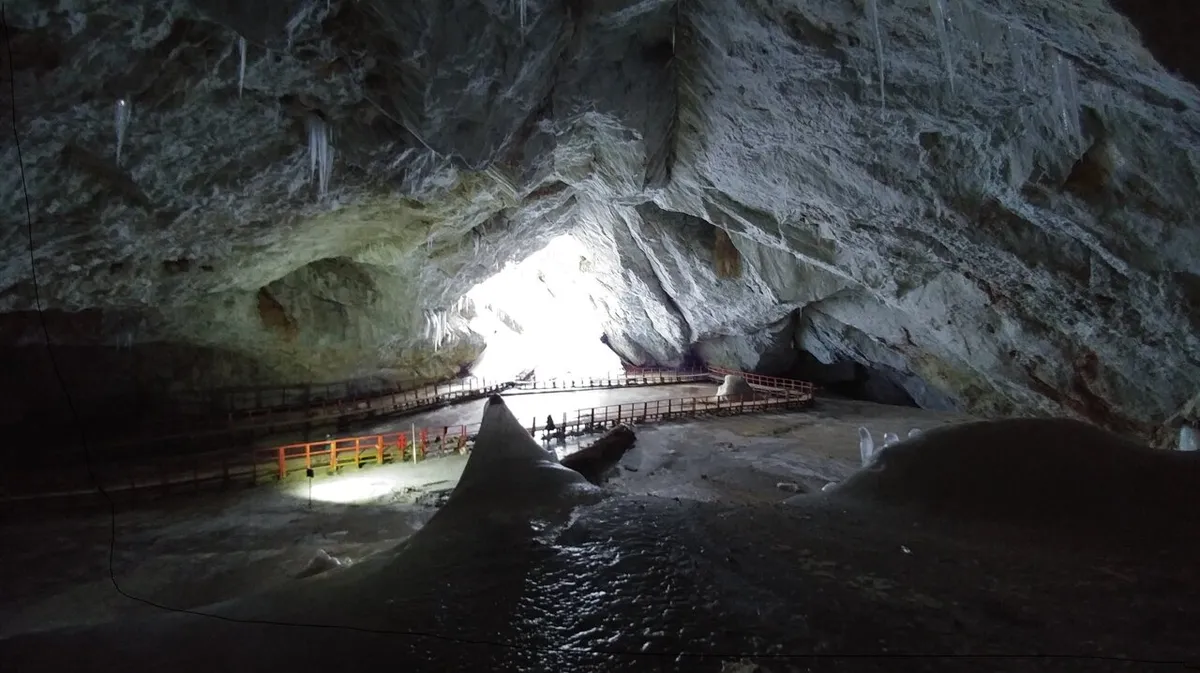
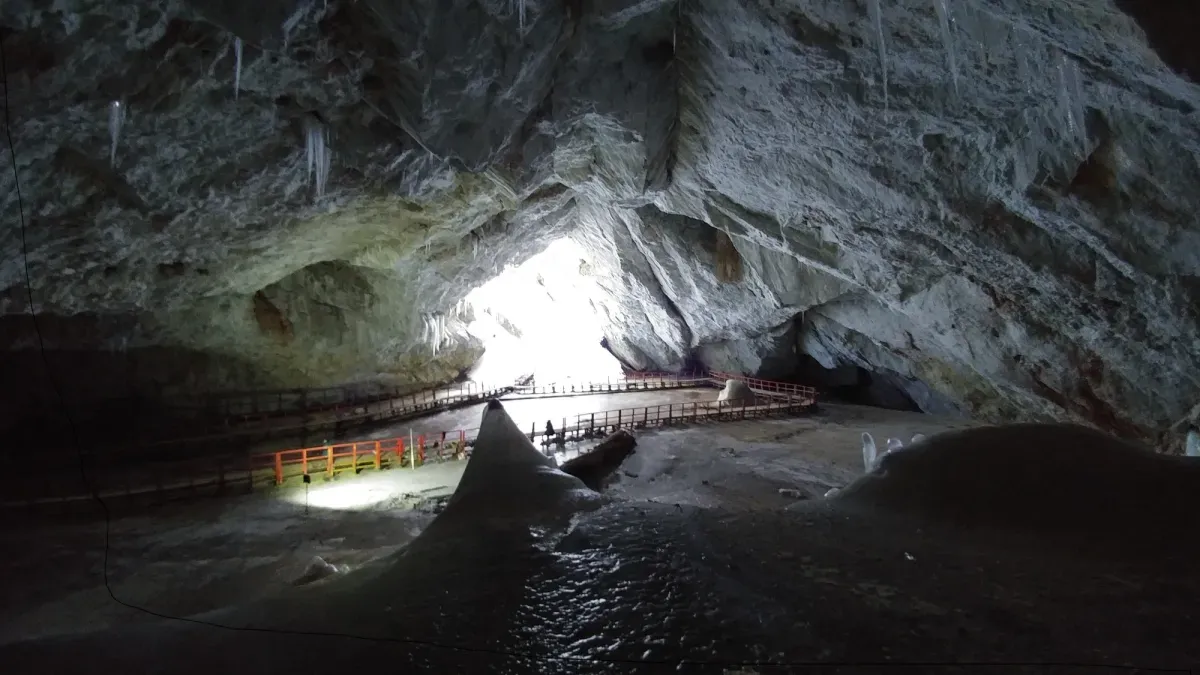
The bacteria, named Psychrobacter SC65A.3, was extracted from the Scărişoara Ice Cave in Romania — pulled from a layer of ice that formed around 5,000 years ago. A team led by Dr. Cristina Purcarea at the Institute of Biology Bucharest drilled an 82-foot ice core from the cave's deepest chamber, a frozen archive that spans 13,000 years of microbial history.
When they tested SC65A.3 against 28 common antibiotics, it showed resistance to 10 of them — drugs we still rely on today to treat tuberculosis, urinary tract infections, and other serious bacterial infections. The strain carries over 100 genes related to antibiotic resistance, making it a kind of genetic museum of how bacteria have learned to survive our medicines.
We're a new kind of news feed.
Regular news is designed to drain you. We're a non-profit built to restore you. Every story we publish is scored for impact, progress, and hope.
Start Your News DetoxBut here's where it gets interesting. The same bacteria that resists our antibiotics also produces unique enzymes and antimicrobial compounds that could inspire entirely new treatments. Its genome contains nearly 600 genes with unknown functions — potential blueprints for medicines we haven't imagined yet.
Why ancient bacteria matter right now
Antibiotic resistance kills an estimated 1.27 million people every year globally. As bacteria evolve faster than we can develop new drugs, we're running out of options for infections that were once routine to treat. The World Health Organization has called it one of the top public health threats of our time.
What makes SC65A.3 valuable is that it shows us resistance didn't start with modern medicine. This bacteria evolved its defensive strategies in nature, in an ice cave, thousands of years before we invented penicillin. That means the genes that let it survive don't come from our hospitals — they come from the environment itself. Understanding how ancient microbes developed these traits could teach us where to look for new antibiotics and how resistance actually works at a fundamental level.
"Studying microbes retrieved from millennia-old cave ice reveals how antibiotic resistance evolved naturally in the environment, long before modern antibiotics were ever used," Purcarea explained.
There's a catch, of course. If warming ice releases these ancient bacteria into the modern world uncontrolled, their resistance genes could spread to the bacteria making us sick. It's a genuine risk that demands careful lab protocols and safety measures. But Purcarea and her team are treating this discovery with the seriousness it deserves — not as a curiosity, but as a resource that requires respect.
The next phase is clear: decode what those 600 mystery genes do, identify which ancient compounds might work against modern superbugs, and figure out how to develop them into actual medicines. It's slow work, but it's work that couldn't happen without thawing the ice and looking inside.