

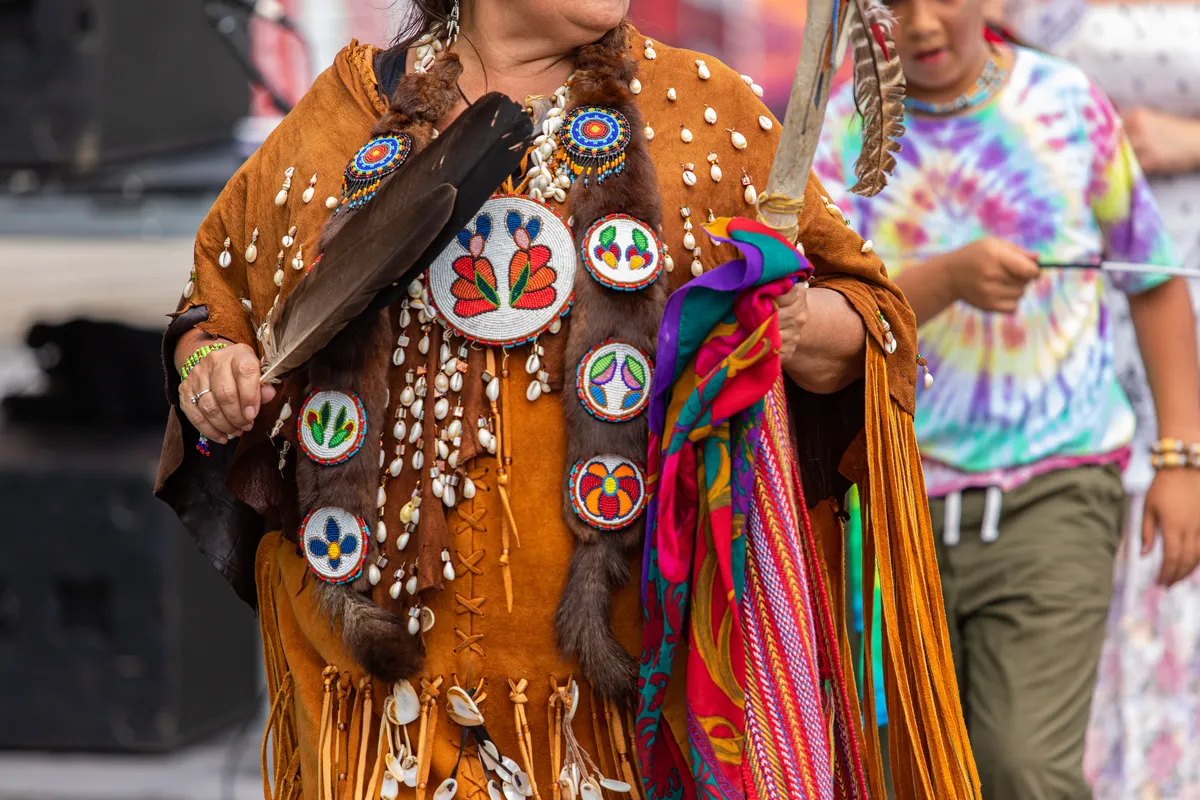
Native American Heritage Month arrives each November alongside Thanksgiving—a timing that carries sharp historical weight. For many Indigenous people, this season marks not celebration but remembrance of genocide, forced displacement, and systematic attempts to erase Native cultures. The holiday most Americans associate with gratitude represents, for Native communities, the beginning of centuries of violence and dispossession.
Yet the month itself exists for a reason: to honor Indigenous resilience, educate the broader public about Native contributions, and give Native peoples a platform to tell their own stories. The tension between these two truths—the painful history and the genuine need for recognition—is what makes November complicated rather than straightforward.
Understanding the Real History
The Thanksgiving narrative taught in schools is largely fiction. The 1621 gathering that inspired the holiday didn't include Native Americans as guests, and what followed was hostile and deadly. After American independence, this peaceful-meeting story was deliberately constructed to justify westward expansion and the displacement of Indigenous nations. For generations, classrooms taught Native Americans as historical figures, not living peoples—a framing that erased the reality of 600+ federally recognized tribes still thriving today.
We're a new kind of news feed.
Regular news is designed to drain you. We're a non-profit built to restore you. Every story we publish is scored for impact, progress, and hope.
Start Your News DetoxSince 1970, many Native Americans have observed the National Day of Mourning instead of Thanksgiving, honoring ancestors and protesting ongoing injustice. This parallel observance exists because the dominant narrative requires active resistance to correct.
What Allyship Actually Looks Like
Passive acceptance isn't enough. Real solidarity means doing the work yourself—not asking Native people to educate you, but seeking knowledge independently.
Start by learning whose land you're on. The Native Land app and website let you enter your location and discover the nations, languages, and treaties connected to that place. It's imperfect, but it's a concrete starting point for understanding your region's Indigenous history.
Then expand beyond November. True allyship means engaging with Native artists, authors, filmmakers, and businesses year-round. It means supporting grassroots Native-led organizations, reading books by Indigenous writers, and following Native media. It means understanding that Native people aren't historical—they're your neighbors, colleagues, and creators shaping culture right now.
One tangible way to honor Indigenous knowledge this Thanksgiving: cook with Native ingredients. Corn, beans, squash, and wild rice aren't just food—they're evidence of sophisticated agricultural systems developed by Indigenous peoples. Learning these recipes and their origins is appreciation, not appropriation, especially when you're crediting the knowledge that created them.
Moving Forward
November doesn't need to be either/or—either pretending history didn't happen or refusing to celebrate at all. It can be both: acknowledging what was lost while recognizing what endures. The real work begins when November ends and you keep showing up.



